- Noémi Vizi
- Photos: Felszeghy Áron
- Reading time: 2 minutes
The Story of Benczúrfalva’s Most Famous Manor House
In this article, we introduce the former holiday home of Gyula Benczúr, the renowned painter who served as director and teacher at Hungary’s first master school of painting. Over the past 80 years, the property has served as a family-run guesthouse, and, following nationalisation, as an artists’ residence and a cultural centre. It passed into new ownership at the last possible moment, just as its preservation was becoming uncertain. Thanks to this change, it is now once again open to visitors as a museum.
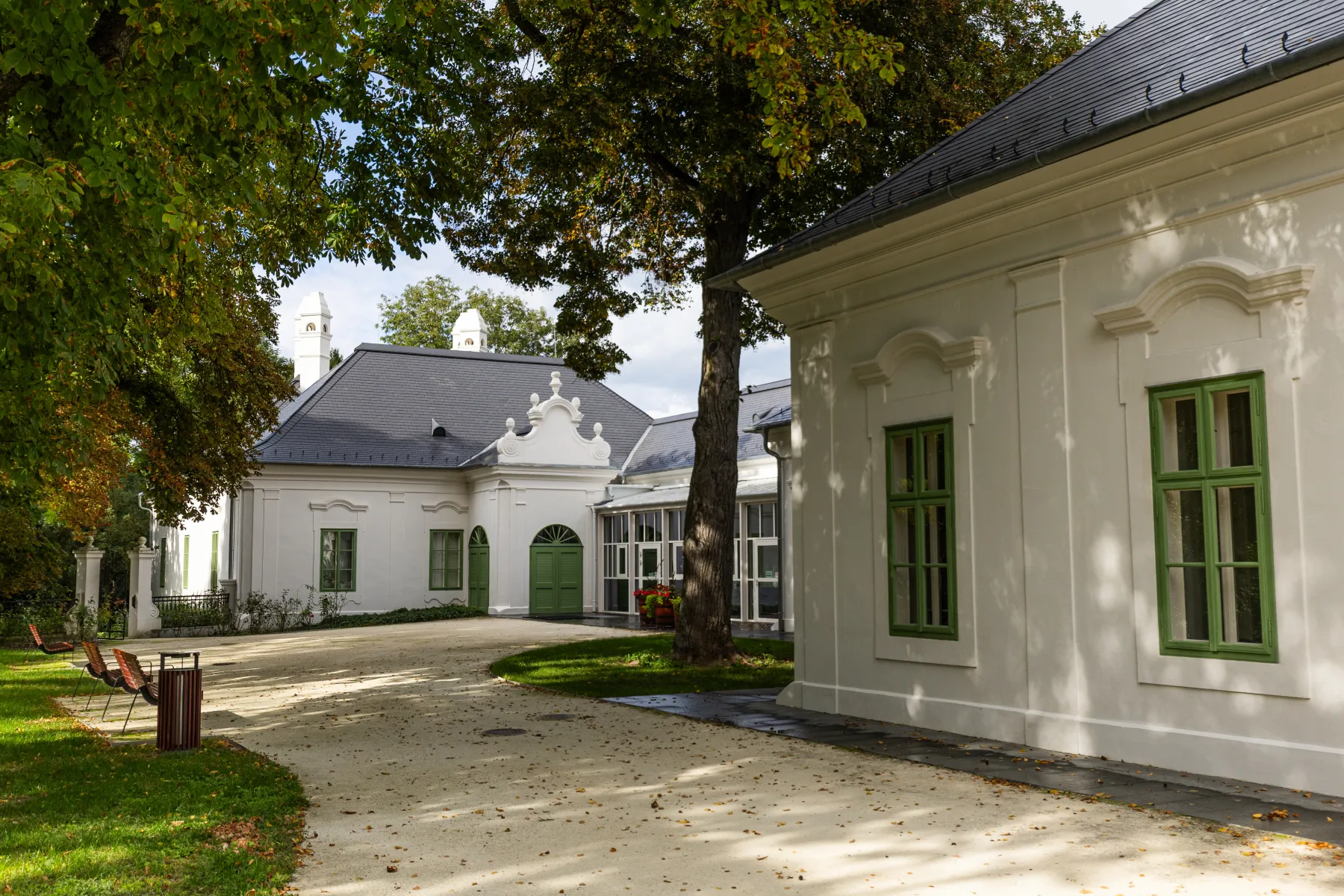
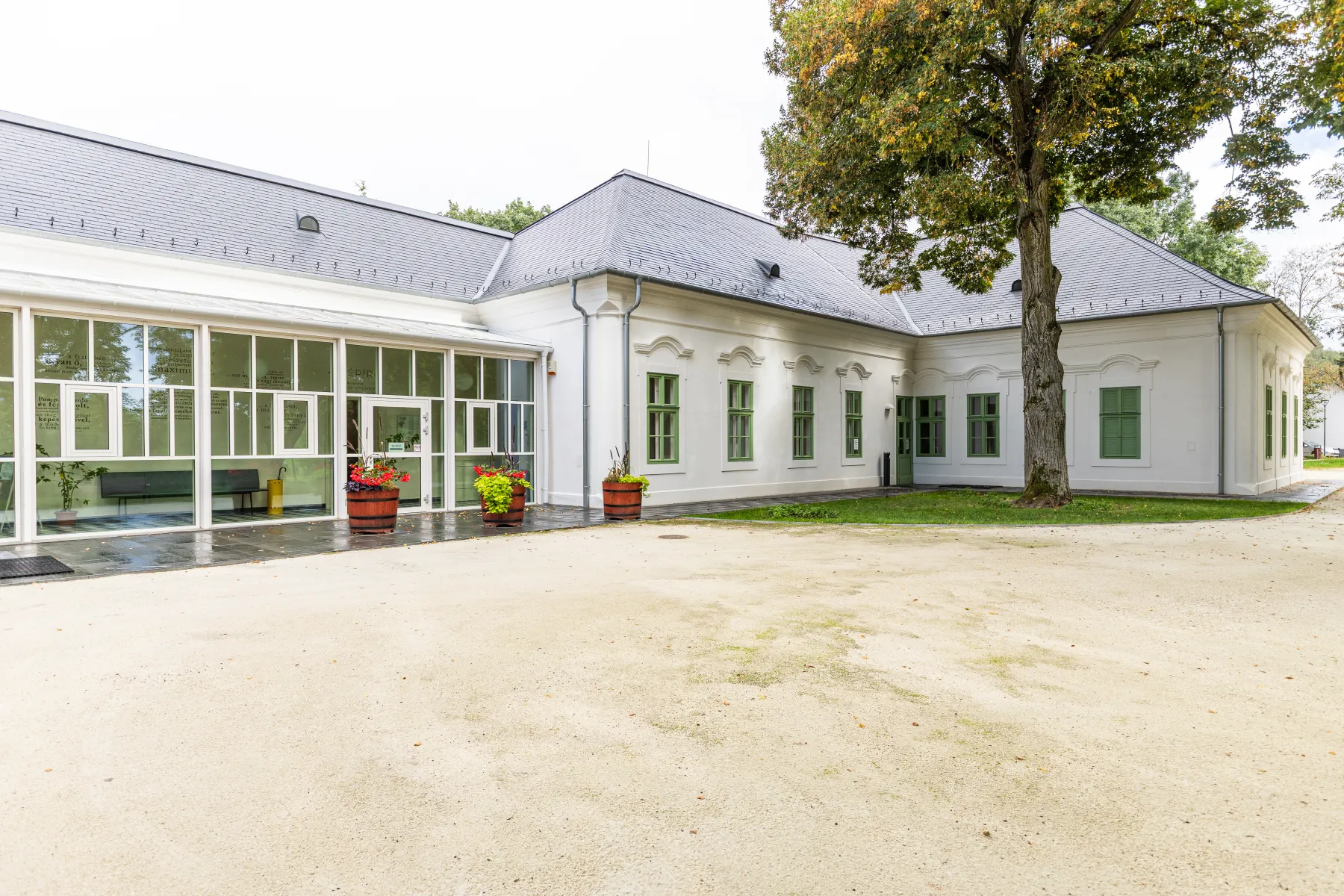
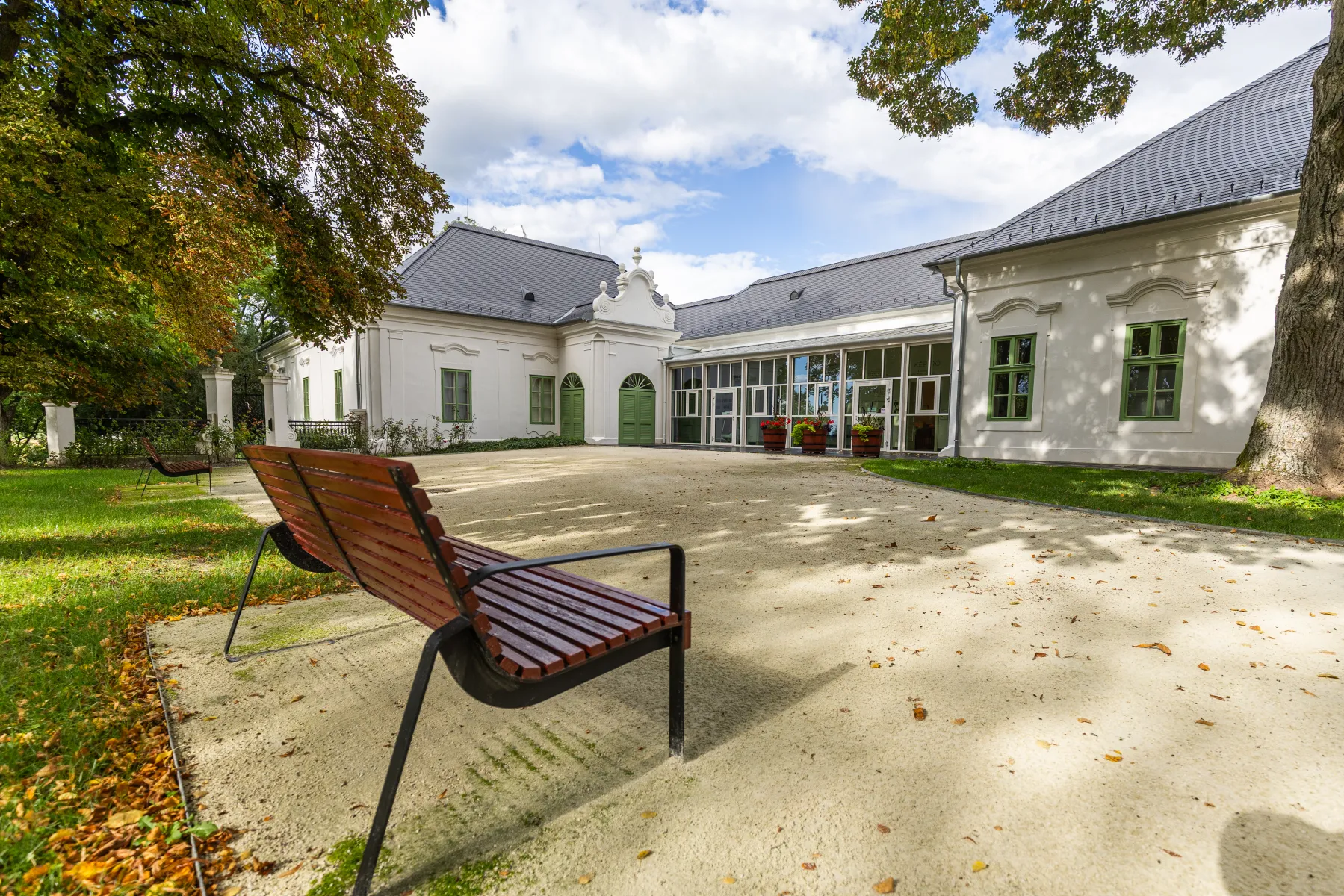
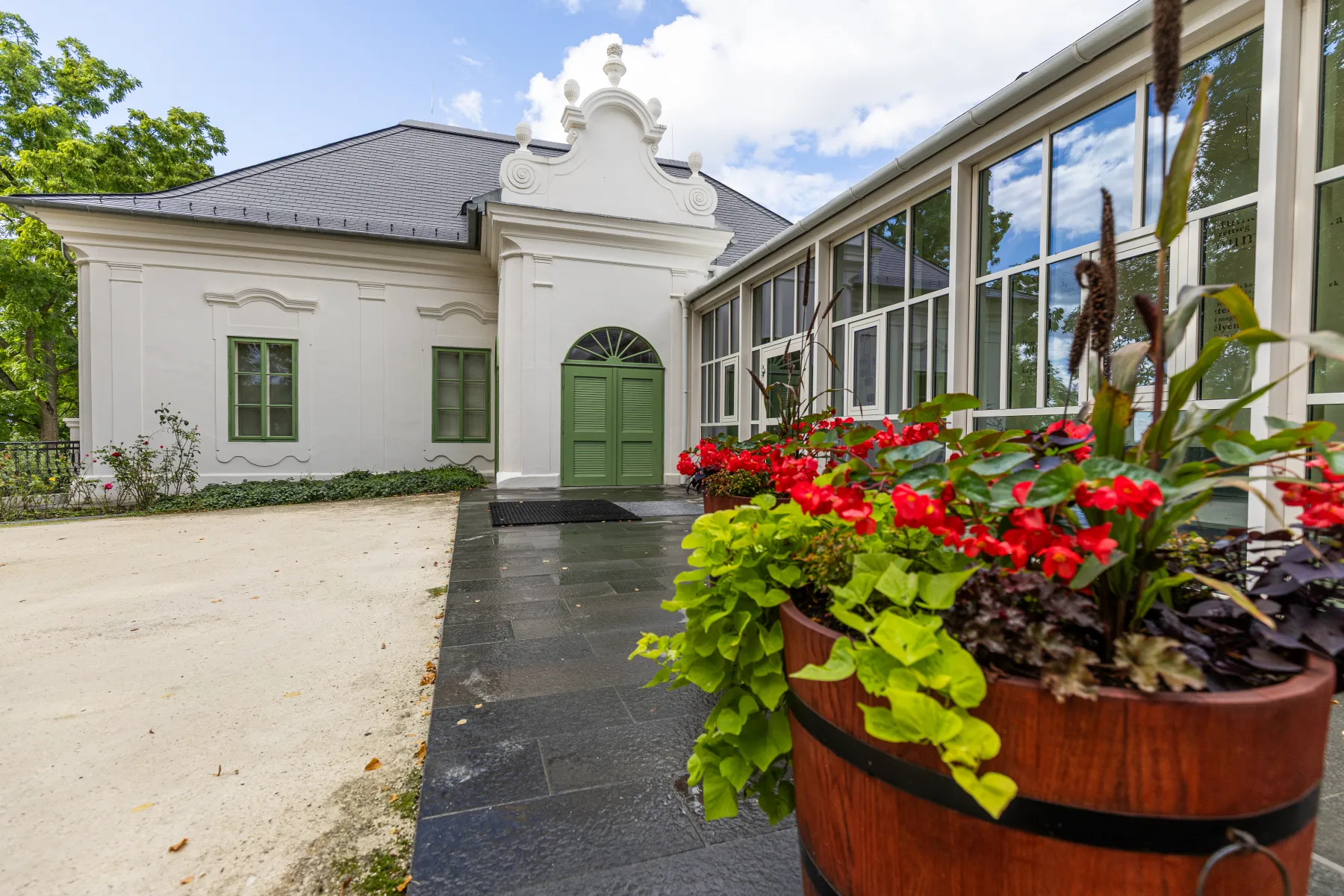
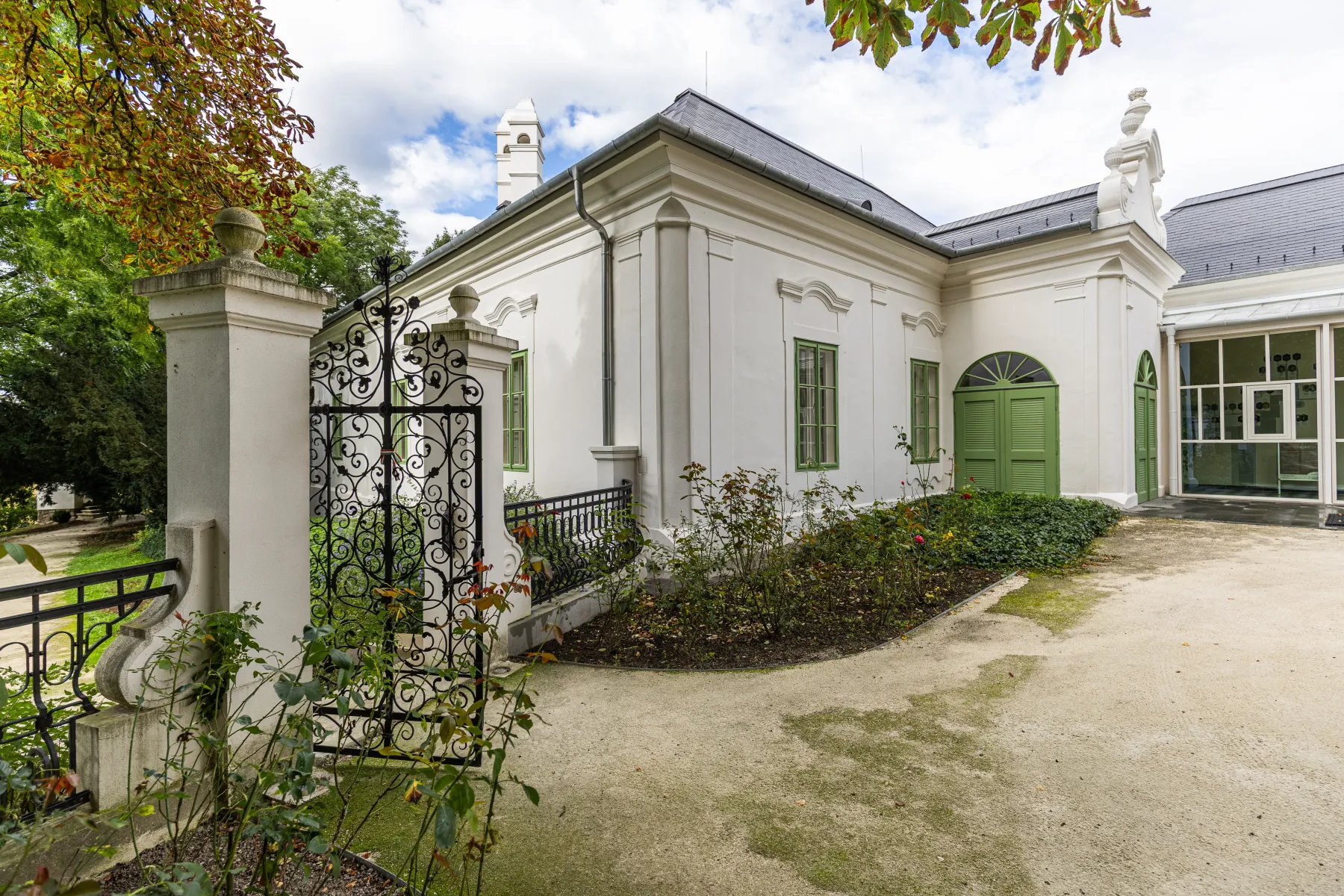
The Wattay family built the manor house in Dolány in the 18th century. It later passed into the ownership of the Szontágh family, then the Ivánka family, and finally, around 1890, Count Mikó Pejácsevich. The single-storey manor house had a U-shaped floor plan and vaulted interiors, and was in need of renovation. Kálmán Mikszáth had roots in Nógrád County and knew the surrounding settlements well. The writer was a close friend of Gyula Benczúr, who was looking for a suitable place in the countryside where he could create art. Mikszáth initially suggested Horpács, but the deal fell through1, and Benczúr eventually settled in Dolány in 1910. The property, which he used as a holiday home, is now administratively part of Szécsény. The Benczúr family beautifully renovated the manor house, transforming it into a true home. They furnished it with Renaissance and Rococo pieces2, works of art and Oriental rugs collected during their travels
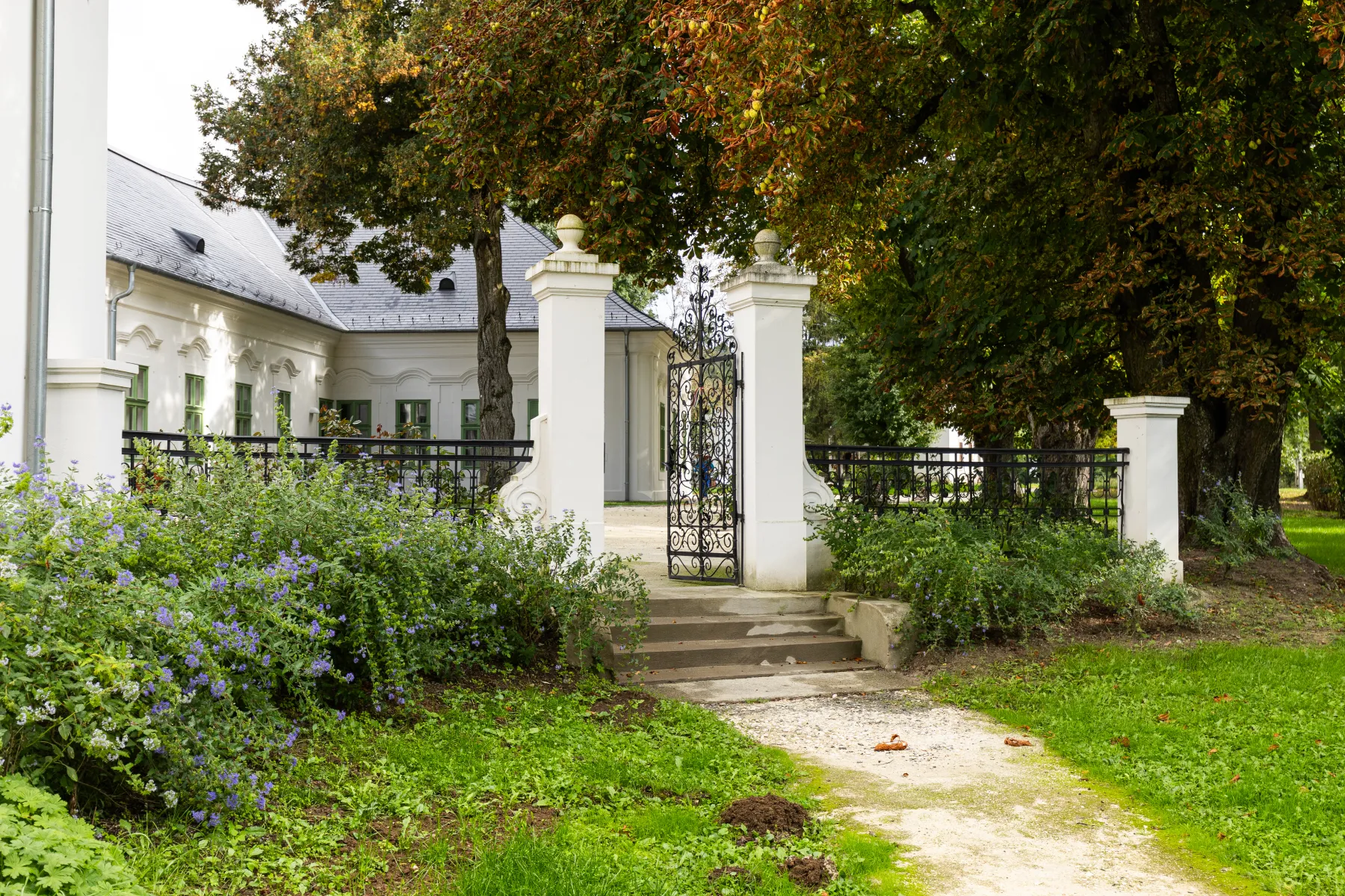
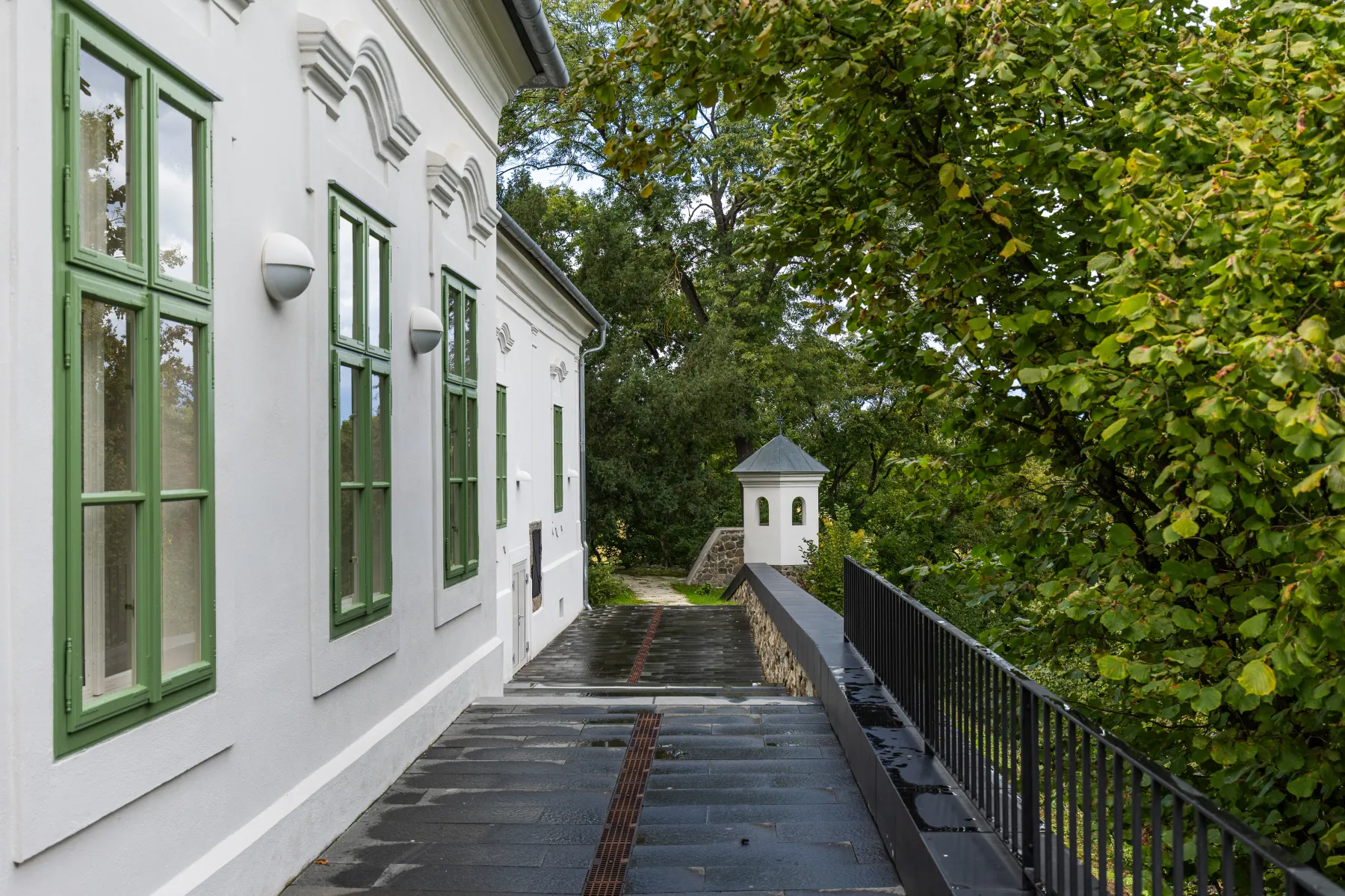
Being close to nature and having a place to retreat from the world were particularly important to the painter, making this estate an ideal choice. The manor house is surrounded by a three-hectare park designed in the English landscape garden style3. The park boasts remarkable biodiversity and is home to numerous plant species, including field maple, box elder, horse chestnut, hornbeam, narrow-leaved oleaster, European ash, black walnut, London plane, pedunculate oak, lacebark pine, Norway spruce, eastern red cedar, Lawson cypress, Japanese pagoda tree and broad-leaved privet. The local wildlife is equally impressive. The park provides a safe habitat for stag beetles, great capricorn beetles, copper ground beetles, peacock butterflies, sand lizards, great tits, common blackbirds, common starlings, chaffinches, European goldfinches, European robins, tawny owls and great spotted woodpeckers. Observant visitors may also spot European hedgehogs, red squirrels and common noctule bats emerging from their hiding places.
Who Was Gyula Benczúr, and Why Was Dolány Renamed Benczúrfalva?
Gyula Benczúr was born in Nyíregyháza in 1844. His father hoped he would become an engineer4, but the young Benczúr was far more drawn to painting. He was a modest, diligent and reserved man who felt uncomfortable in the public spotlight5. In 1873, he married Karolina Max, with whom he had four children: Elza, a decorative artist; Olga, a fine and applied artist; Ida, a painter; and Gyula, a physician. His wife died at the age of 38. A few years later, Benczúr remarried and lived with Piroska Boldizsár Ürmössy until his death. She taught at the Budapest State Teacher Training College6.
The painter studied at Munich’s most prestigious Academy of Fine Arts, where he later also taught. He is regarded as one of the most distinguished figures in Hungarian academic history painting. In 1883, Ágoston Trefort invited him back to Hungary from Munich to become the director and principal instructor of the First Master School of Painting7. He held this position until 1919.
In 1912, Benczúr converted a former granary into a studio not far from his home. He raised the height of the building and added windows to let as much natural light as possible into the interior. He placed great importance on understanding materials. To ensure lifelike depictions of the silks, brocades and damasks featured in his paintings, he assembled a collection of 300 textiles, comprising garments and fabrics dating from the 16th to the 19th centuries9.
His portraits brought him particular fame. Over the course of his career, he painted Count Gyula Andrássy, Queen Elisabeth, Kálmán Tisza, István Tisza and Kálmán Mikszáth. In 1920, he painted the only landscape of his career to bear the characteristics of Impressionism, in the garden of the manor house10. In the same year, he died within its walls. After his death, his wife, Piroska Boldizsár Ürmössy, devoted herself to preserving his memory. Thanks in large part to her efforts, Dolány was renamed Benczúrfalva in 1927, and three years later a mausoleum was erected in the local cemetery.
Between 1930 and 1940, Benczúr’s daughters ran a guesthouse in their former family home11. One of the services offered was a carriage sent to collect guests from the railway station, which was considered an extra convenience at the time. The business was not particularly successful, and the family no longer felt safe due to the Second World War. On 15 November 1944, they left the manor house and moved to Budapest. With the exception of a few paintings and personal belongings, they left everything behind. When they returned a year later, they found the property completely looted. The distinctive furniture, books and virtually everything else had been stolen. Before they could recover from this devastating loss, the family faced another traumatic event: the wave of nationalisation sweeping across Hungary also reached the Benczúr family, and they lost their former holiday home. With no effective owner to care for it, the building gradually fell into disrepair. Initially, it housed a cinema and provided accommodation for the artist István Szabó Jr. as an artists’ residence. Over the years, it was repurposed as a cultural centre, a collective farm office, a school, a political activity centre, a storage facility and a medical practice. In 2007, the State Treasury Property Directorate sold the property. It subsequently came under the management of the National Heritage Protection and Development Nonprofit Ltd. (NÖF), and restoration work began in 2021. The museum, officially opened in December 2023, displays 18 original paintings by Gyula Benczúr, personal memorabilia and several pieces from his textile collection.
If you are visiting Nógrád County, be sure to explore Benczúr Manor House and enjoy a walk through its beautiful park!
1 https://nkvp.hu/erdekessegek/benczur-gyula-kuriaja/
2 https://nkvp.hu/helyszinek/benczur-kuria/
3 https://www.bnpi.hu/hu/reszletek/benczurfalvi-kastelypark
4 https://nkvp.hu/erdekessegek/benczur-gyula-kuriaja/
5 https://travellina.hu/benczur-kuria-benczurfalva/
6 https://travellina.hu/benczur-kuria-benczurfalva/
7 https://kronika.hu/cikk/a-kepiro-kuriaja-az-ujjaszuletett-benczur-kastelyban-jartunk/
8 https://nkvp.hu/helyszinek/benczur-kuria/
9 https://kronika.hu/cikk/a-kepiro-kuriaja-az-ujjaszuletett-benczur-kastelyban-jartunk/
10 https://kronika.hu/cikk/a-kepiro-kuriaja-az-ujjaszuletett-benczur-kastelyban-jartunk/