



- Noémi Vizi
- Photos: Fortepan
- Reading time: 3 minutes
The History of Andrássy Avenue in Budapest
Andrássy Avenue is widely known today as the home of luxury boutiques, cultural institutions, hotels, embassies, diplomatic residences, and the elegant villas once used as weekend homes by Hungary’s aristocratic families in the early 20th century. In this article, we explore the history of Budapest’s most prestigious boulevard. The exact origin of the avenue is still debated, and two different stories have survived. According to the first, the idea for the boulevard originated with Count Gyula Andrássy. During his stay in Paris, he was inspired by the city's grand avenues, which served as modern transportation routes as well as cultural hubs1. This is why Andrássy Avenue is so often compared to the famous Champs-Élysées. Another theory attributes the concept to Baron Frigyes Podmaniczky, who served as Vice President of the Council of Public Works of Budapest between 1873 and 1905. His position allowed him to modernize the city's medieval street network and transform it into a prestigious representative boulevard worthy of the Hungarian capital2. During the same period, Budapest's ring roads, the Danube embankments, and three bridges crossing the Danube were also constructed. Construction of Andrássy Avenue began in 1871 with Hungarian architects and contractors. The boulevard was intended to be completed for the Millennium celebrations of 1896, commemorating the 1,000th anniversary of the Hungarian Conquest of the Carpathian Basin. Its purpose was to connect the main venues of the celebrations, linking Heroes' Square, City Park (Városliget), and Budapest's historic city centre.
The contract officially authorizing the construction of the boulevard was signed on 9 March 18723. At the time, the project sparked considerable public debate. Many viewed it as an extravagant investment designed solely to satisfy the aristocracy. However, once completed, it quickly became clear that it represented one of the most significant urban development projects in Budapest's history.
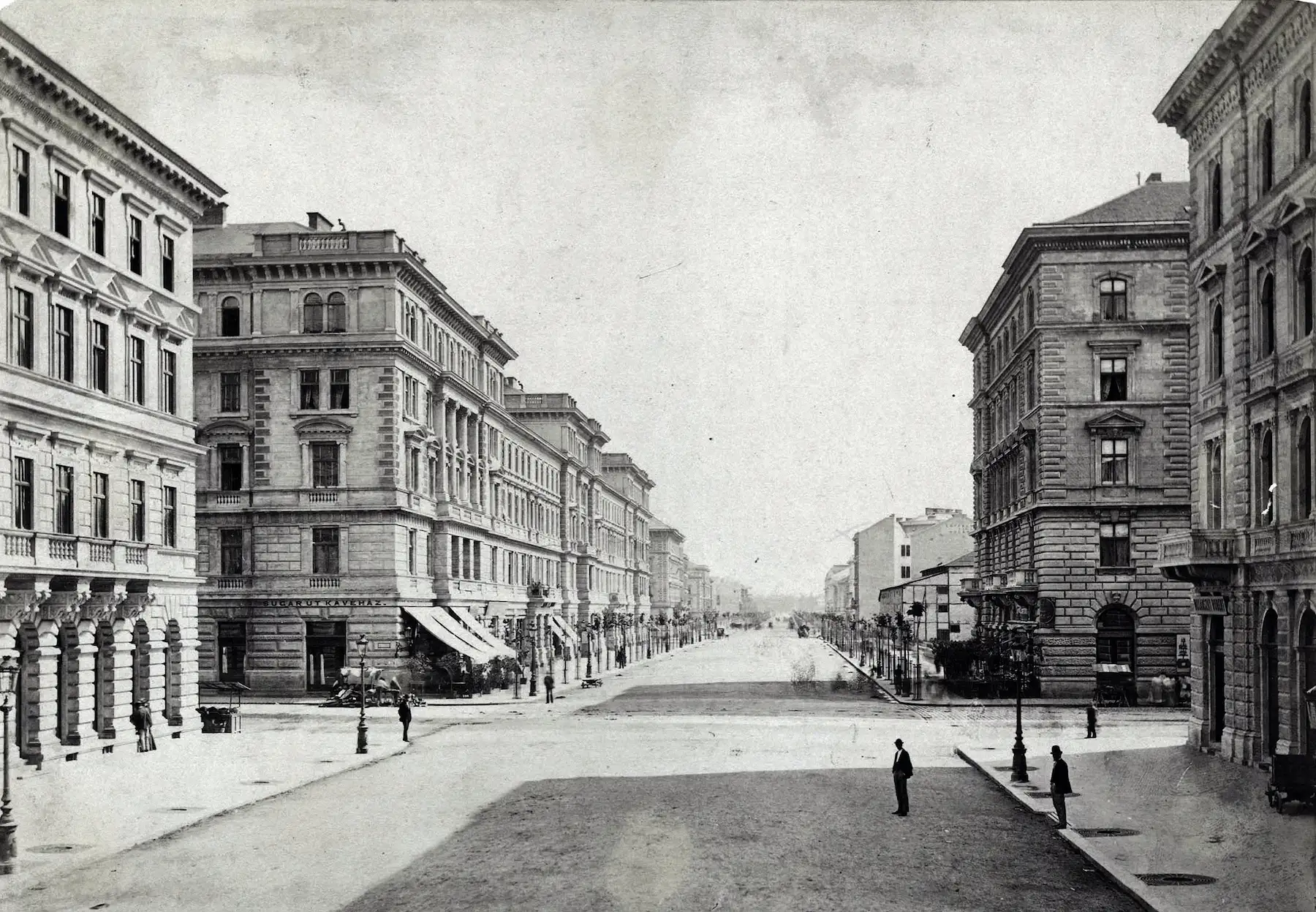
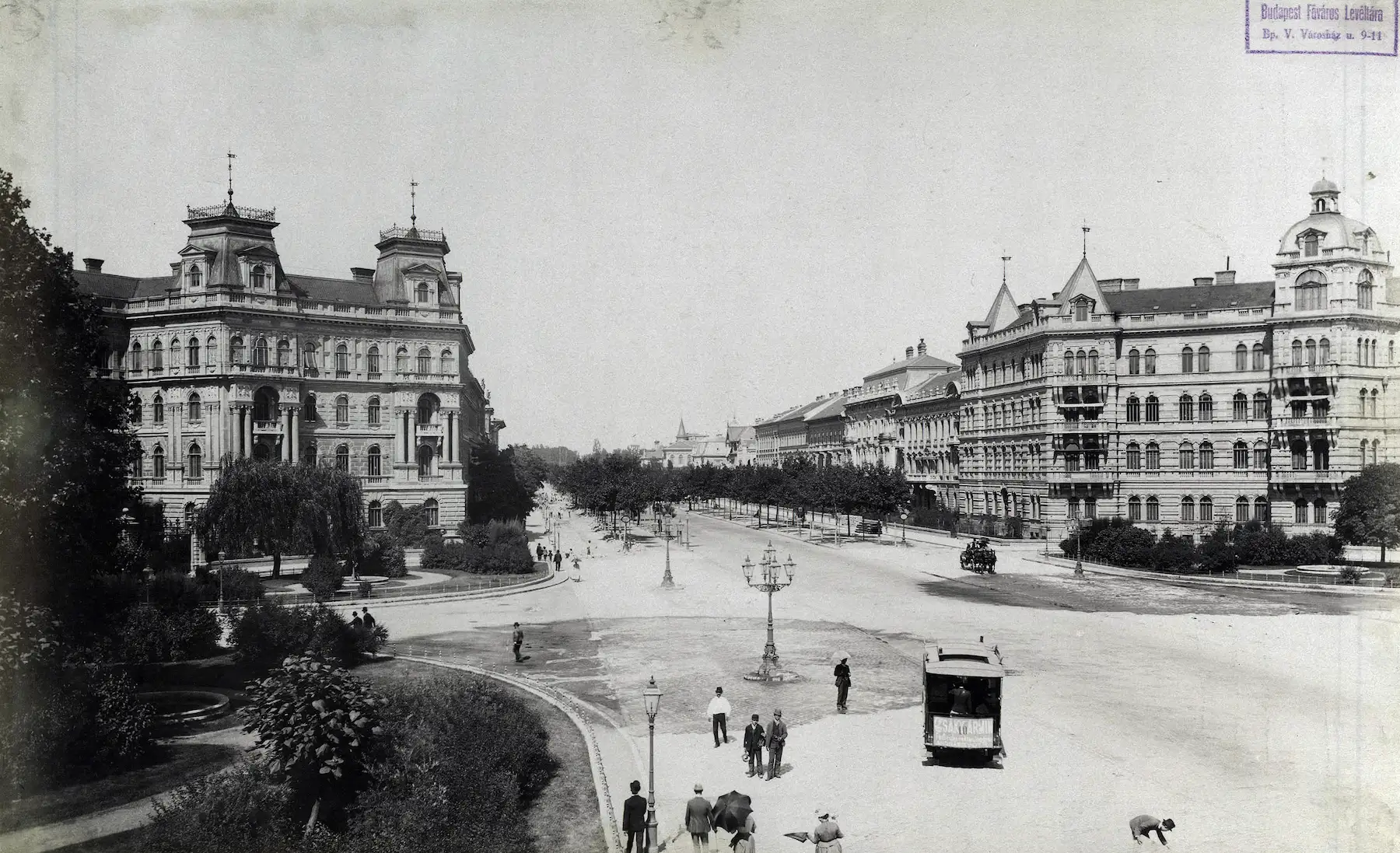
Since its completion in 1883, the avenue has carried several different names throughout Hungary's changing political eras. It was originally called Sugárút (Boulevard), then became Andrássy Avenue in 1886. From 1950 it was renamed Stalin Avenue, in 1956 Avenue of Hungarian Youth, from 1957 People's Republic Avenue, before finally regaining its historic name, Andrássy Avenue, in 1990. Running beneath the boulevard is the Millennium Underground Railway (M1), completed in 1896. It is the first underground railway on the European continent and the second oldest subway line in the world4. Much of the boulevard's turn-of-the-century atmosphere has survived thanks to extensive restoration work carried out over recent decades. Since 1987, both Andrássy Avenue and the Millennium Underground have been included on the UNESCO World Heritage List.
The avenue can be divided into three distinct sections. Between Erzsébet Square and Oktogon, visitors will find luxury boutiques and the Hungarian State Opera House. The section between Oktogon and Kodály Circus is lined with elegant villas, tree-lined promenades, and cultural institutions. Finally, the stretch from Kodály Circus to Heroes' Square forms Budapest's historic villa district, where wealthy citizens built their prestigious weekend residences in the late 19th century. Many of these magnificent garden villas still stand today and can be admired while strolling along the avenue.5.
The Royal Governing Council and the Beautification Committee (established in 1837) aimed to create a harmonious and unified streetscape. Long before the development of Andrássy Avenue began, they introduced a set of building regulations. These stipulated that residential palaces could have no more than three storeys, each floor had to have a minimum height of 3.5 metres, and the cornice height of new buildings had to align with that of their neighbouring properties6. These regulations shaped Budapest's urban planning for decades and are one of the main reasons why the historic city centre still presents such a remarkably consistent architectural character today.
The buildings lining Andrássy Avenue are predominantly eclectic palaces designed in the Neo-Renaissance style, particularly as one approaches Heroes' Square. This reflects both the dominant architectural trends of the period and the work of renowned architects such as Miklós Ybl and István Linzbauer7. When the technical construction of the avenue was completed in 1876, only forty villas had been built. At the same time, a new building type emerged8: the palace apartment house, where the luxurious principal residence was located on the first floor. Further construction slowed significantly due to the economic crisis, prompting many developers to return the plots they had previously purchased. The building boom resumed only during the subsequent period of economic recovery, when wealthy upper-middle-class families began settling alongside the aristocracy9. These villas served primarily as symbols of prestige rather than permanent homes and were typically used as summer or weekend residences from the 1890s onward.
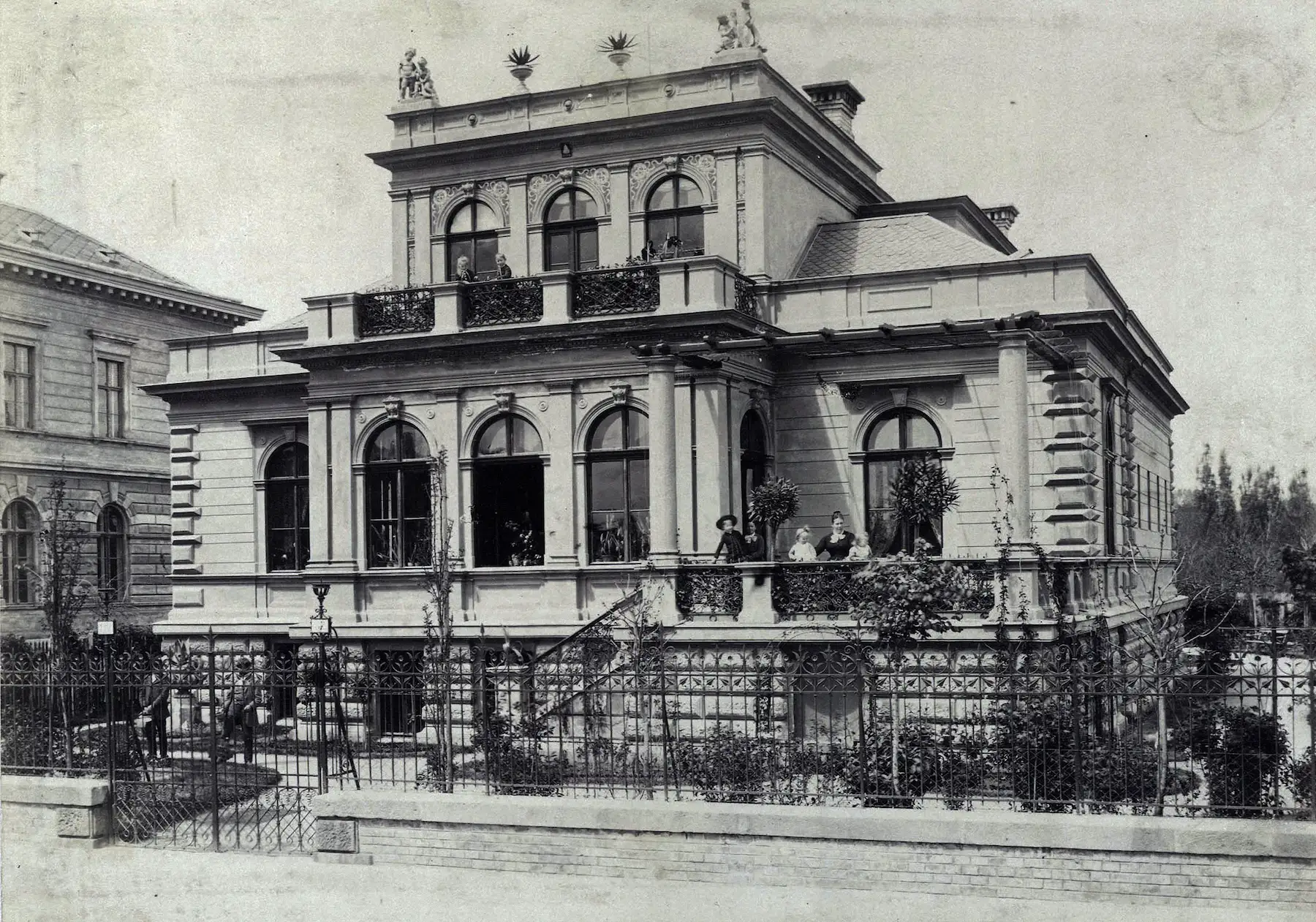
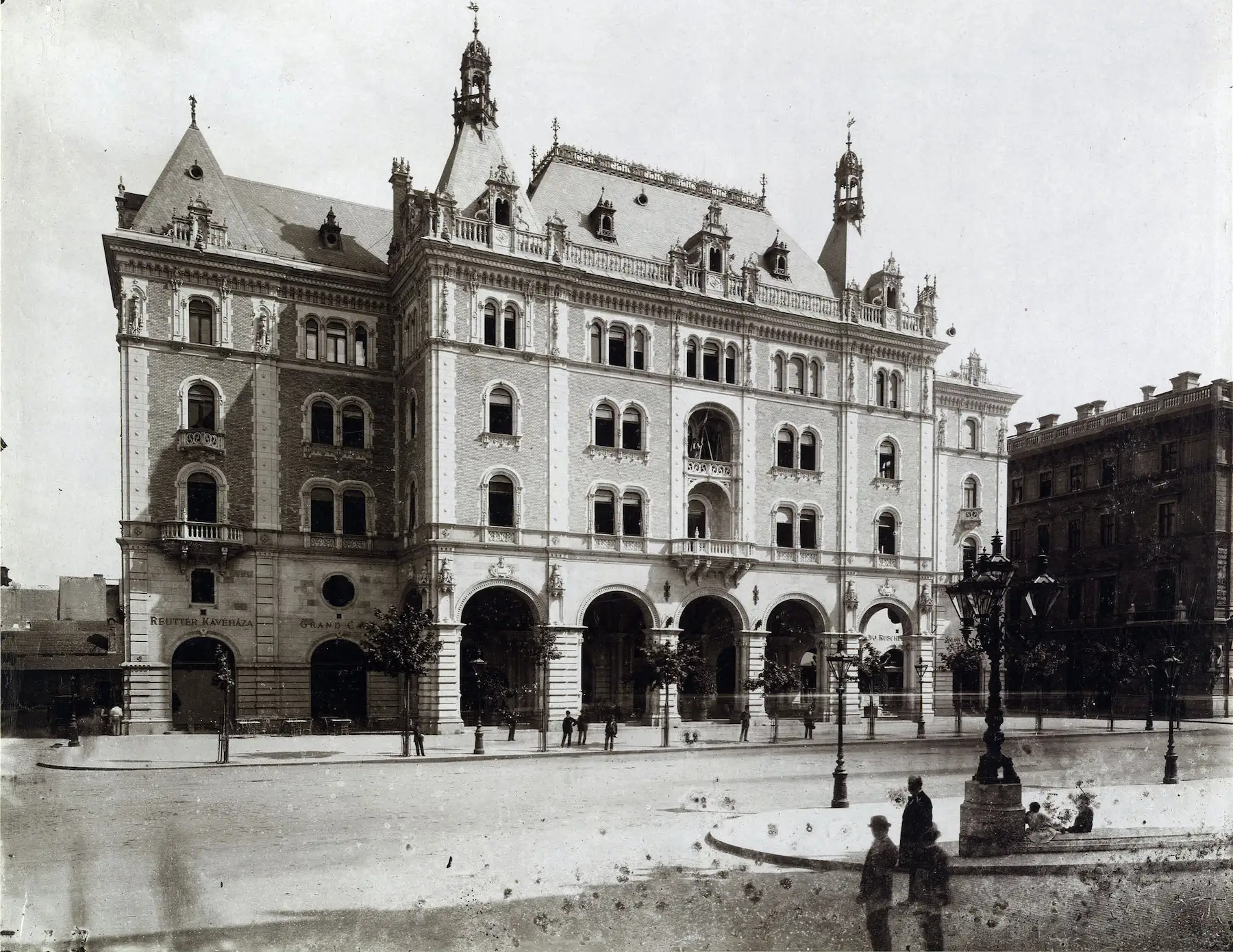
Without attempting to provide a complete list, some of the most famous buildings along Andrássy Avenue include the Fonciére Palace, Drechsler Palace, Hübner Court, Andrássy Palace, Stein Palace, Schlossberger Palace10, Erdődy Villa, Rausch Villa, Edelsheim-Gyulay Villa, Weninger Villa, and Révay Villa. Among its important cultural institutions were the Liszt Academy of Music and the Műcsarnok (Hall of Art). It is also worth mentioning the Paris Department Store (Párisi Nagyáruház), which opened its doors in 1911. Designed by architect Zsolt Sziklai, this magnificent Art Nouveau building welcomed shoppers across seven floors. Visitors were greeted by an impressive entrance hall adorned with marble columns, reflecting the elegance and grandeur of the era. The department store employed thousands of people11. During the Hungarian Revolution of 1956, the building suffered extensive damage. Following its restoration, it operated as the Divatcsarnok (Fashion Hall) from 1960 until 1999.
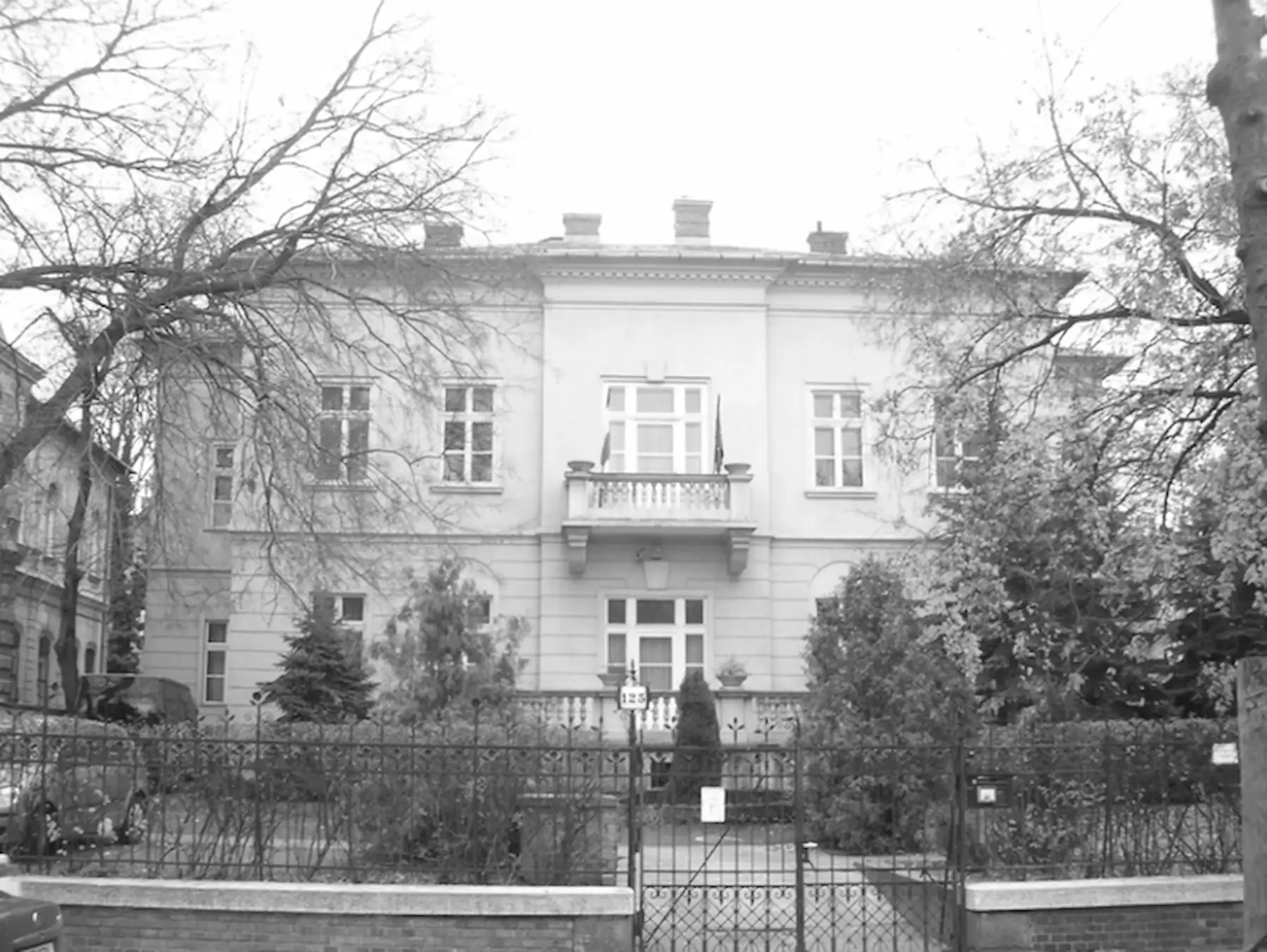
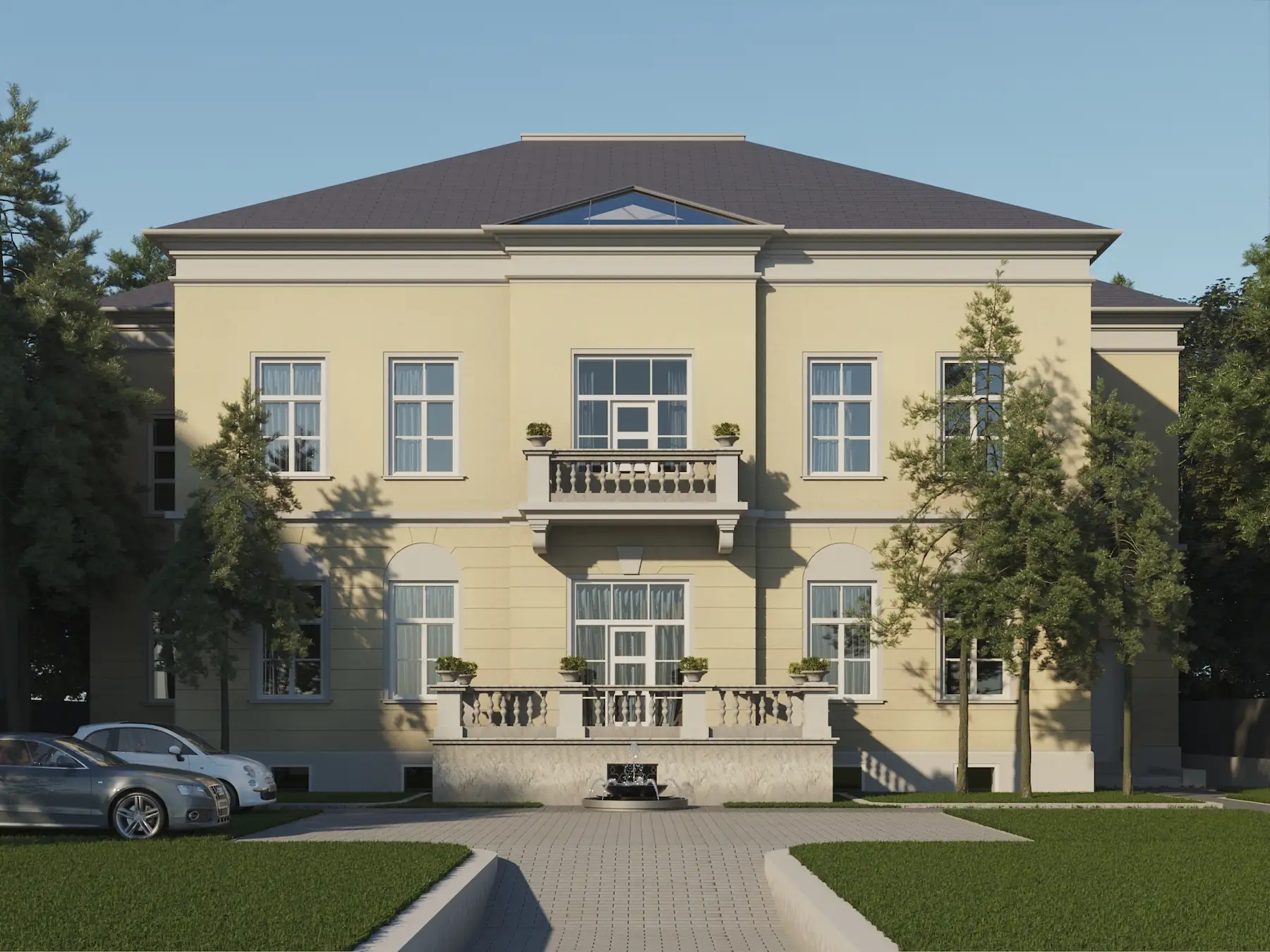
Since 2002, Andrássy Avenue has formed part of the UNESCO World Heritage Site. Its magnificent palaces and elegant villas continue to offer an unforgettable experience for everyone strolling along this iconic boulevard. Today, it is home to numerous international luxury brands, and now your company could also establish its headquarters here—in a beautifully restored historic villa near Heroes' Square, once owned by Baron Révay. If this exceptional property has captured your interest and you would like to arrange a personal viewing, please contact Dániel Vitáry at hello@dandan.hu or by phone at +3630/618-2271.
Cover photo source: Fortepan / Budapest City Archives / Photographs by György Klösz.
1 https://www.danubetourism.eu/andrassy-ut-hosok-tere-budapest/
2 https://mrfoster.blog.hu/2023/05/05/mi_mindent_lathatnak_az_andrassy_uton
4 https://www.budapestinfo.hu/hu/andrassy-ut-1
5 https://www.budapestinfo.hu/hu/andrassy-ut-1
8 https://pestbuda.hu/cikk/20160819_szaznegyven_eves_az_andrassy_ut
9 https://www.komplex.hu/az-andrassy-ut-tortenete-es-jelentosebb-epuletei/
10 https://www.komplex.hu/az-andrassy-ut-tortenete-es-jelentosebb-epuletei/
11 https://mrfoster.blog.hu/2023/05/05/mi_mindent_lathatnak_az_andrassy_uton