




- Noémi Vizi
- Photos: Csorba Dániel
- Reading time: 2 minutes
Heckenast Gusztáv and His Villa in Pilismarót
Heckenast Gusztáv’s name is primarily associated with the Hungarian Revolution and War of Independence of March 1848 and with the printing of the Twelve Points, although he was not personally involved in the latter event. Far fewer people know that he had to interrupt his studies due to his family’s financial difficulties and began working as a spice merchant. In 1826, he started working at Ottó Wigand’s bookshop in Pest, which he took over in 1832. In March 1838, during the great flood of Pest, he lost almost everything he owned, and his writer friends helped him rebuild his life. From the soaked and later dried books, he created his first lending library, which he later also moved to Balatonfüred, establishing the first provincial lending library in Hungary. In 1840, he entered into partnership with the printer Lajos Landerer, and from that point onward the Landerer and Heckenast printing house was established. The company published, among others, the Pesti Hírlap newspaper and works by the greatest writers and poets of the era, including Mihály Csokonai Vitéz, Dániel Berzsenyi, Ferenc Kölcsey, Mihály Vörösmarty, and Mór Jókai. He also launched the collected series Hungarian Great Writers. Heckenast became one of the wealthiest citizens of his time and had the means to build a holiday home. He chose Pilismarót as the location.
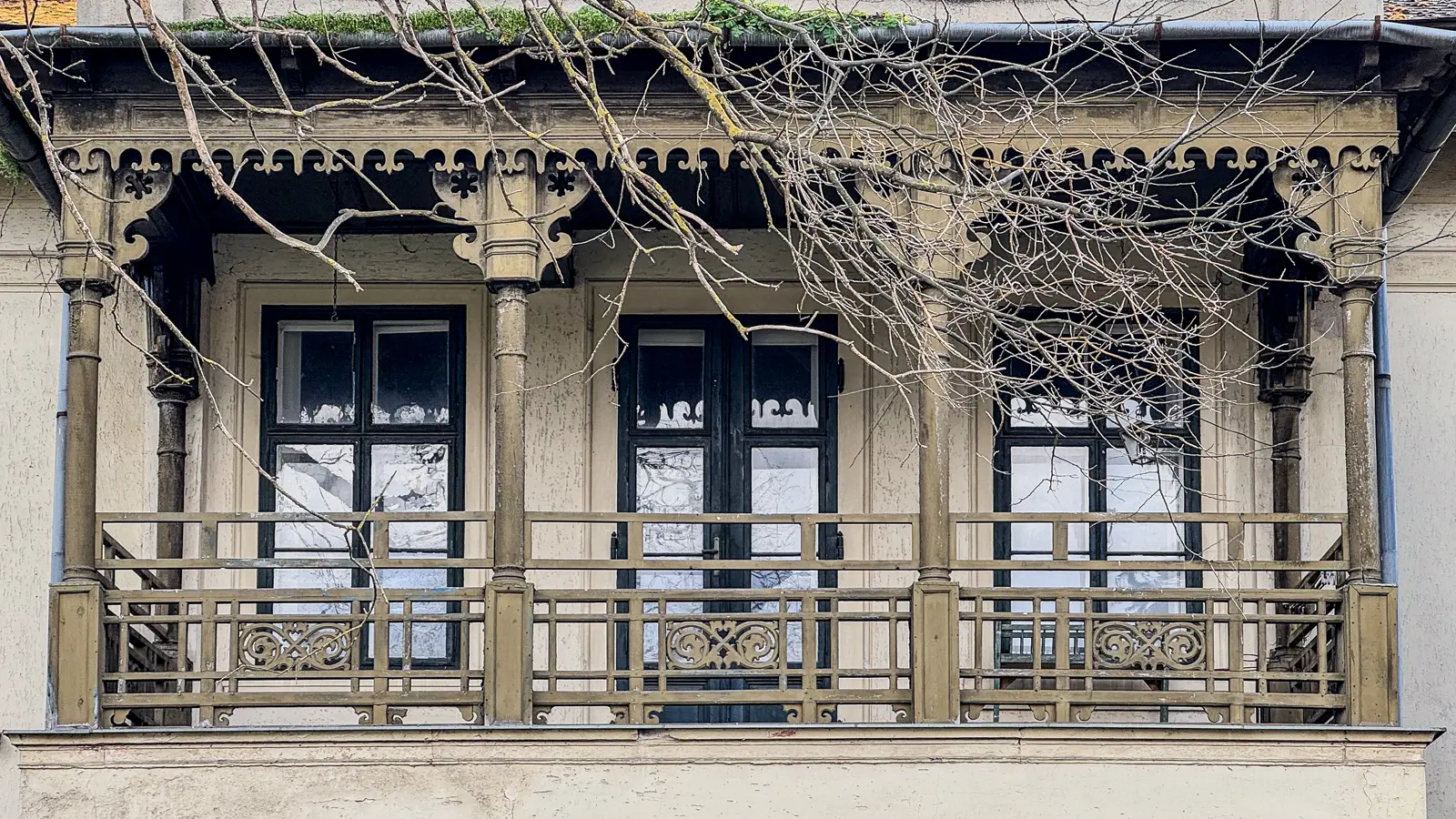
In 1851, he purchased two adjoining plots in the settlement, both with houses on them. Until the Heckenast Villa was completed, the family lived in the more spacious house and welcomed guests there. Heckenast was a central figure in Pest’s vibrant cultural life, and his circle of friends also enjoyed visiting Pilismarót, especially after the villa was completed around 1860. The villa was a two-storey building with six rooms and was surrounded by a remarkable three-level landscaped garden. The closeness of nature could be experienced immediately upon stepping outside or looking through the windows. The painting in the upstairs hall depicted Béla, Keme and Attila, the legendary Hun leaders, as well as Prince Géza. Only fragments of this artwork have survived. Visitors were fascinated by the enormous library, paintings and graphics by German, Italian and Dutch artists, as well as works created by artists connected to Heckenast’s printing house. The family enjoyed chamber music, so the villa also housed a piano, a cello and a violin. The atmosphere of the villa was extraordinary, and visitors quickly grew fond of the place.



1https://prusi.blog.hu/2013/08/28/heckenast_villaja_pilismaroton
2https://www.magyarhirlap.hu/kultura/20200812-heckenast-gusztav-a-szukmarku-kiado
3https://ma7.sk/kavezo/145-eve-halt-meg-heckenast-gusztav-nyomdasz-es-kiado
4https://prusi.blog.hu/2013/08/28/heckenast_villaja_pilismaroton
5https://prusi.blog.hu/2013/08/28/heckenast_villaja_pilismaroton
6https://prusi.blog.hu/2013/08/28/heckenast_villaja_pilismaroton