



- Noémi Vizi
- Felszeghy Áron
- Reading time: 2 minutes
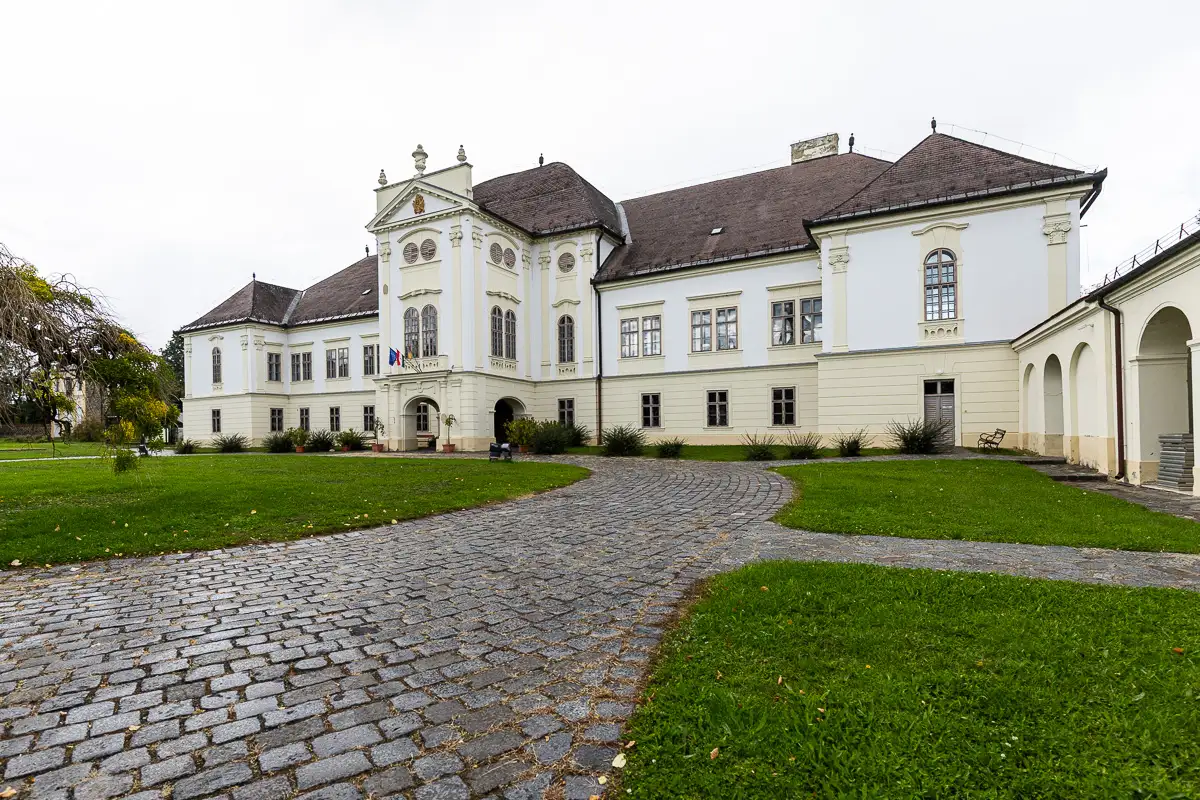
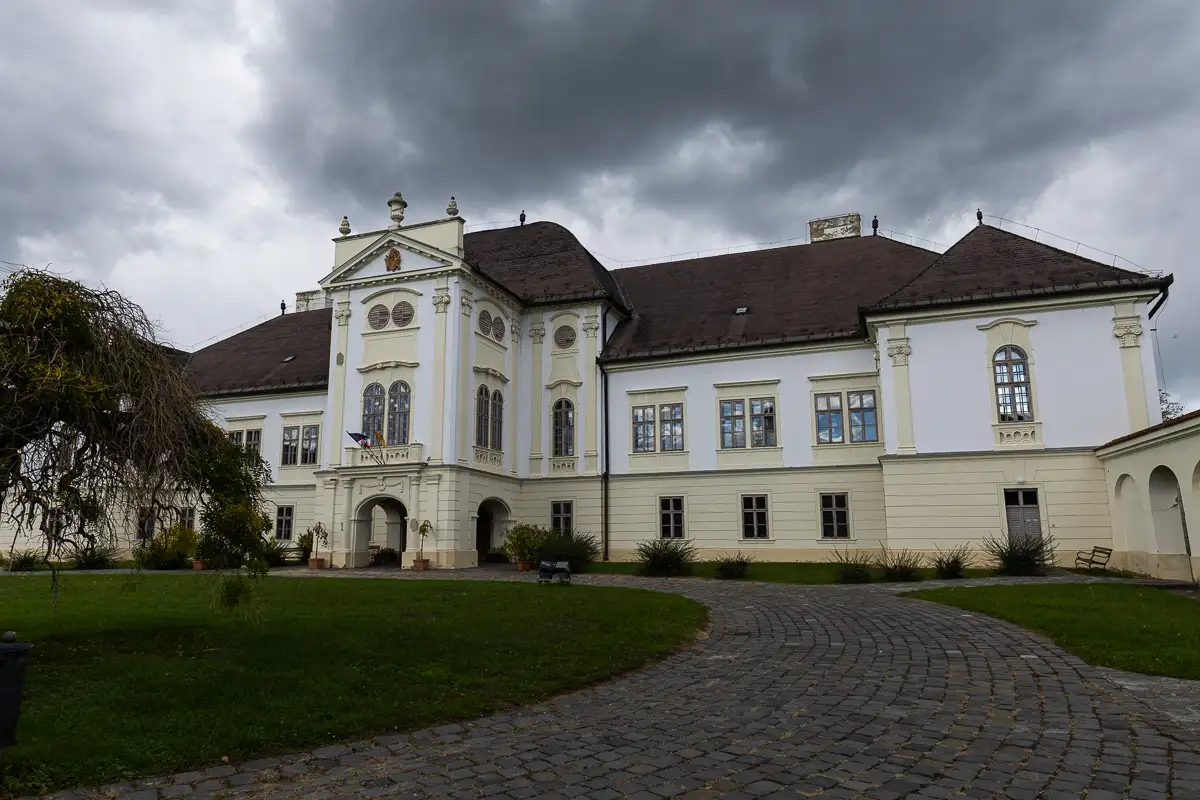
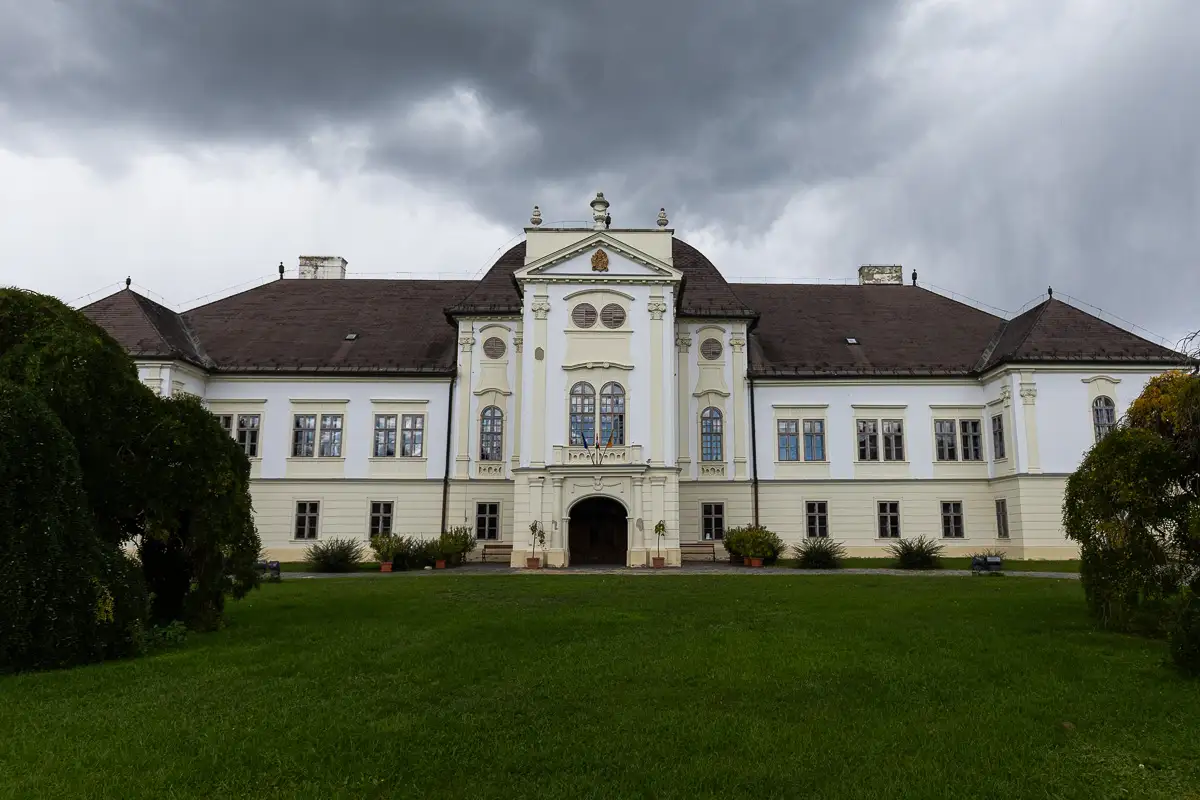
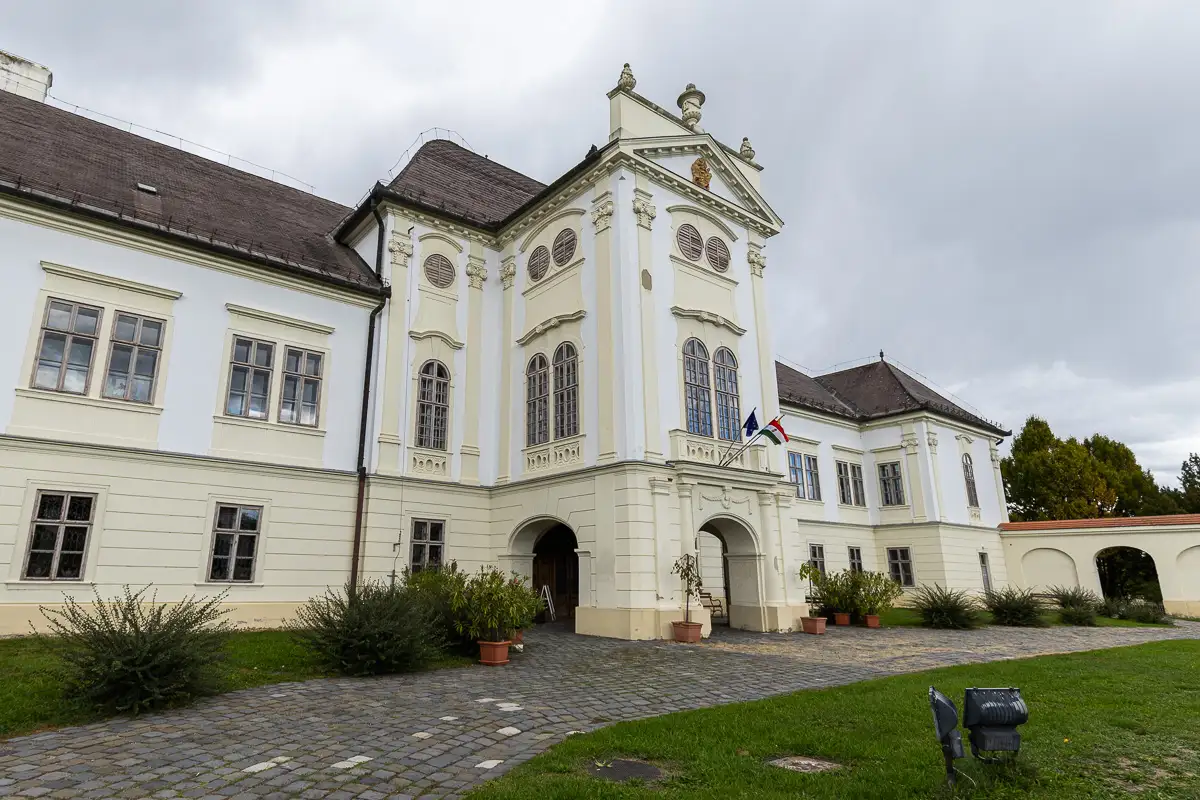
Forgách Castle of Szécsény
The fortified castle of Szécsény was most likely commissioned by Tamás Szécsényi or his sons, members of the Kacsics clan1. Construction is believed to have begun around the 1370s, although the first written record dates from 1456, when it is mentioned as a fortress. By the 17th century, historical sources describe it as a quadrangular building with both round and polygonal towers. The Ottoman sieges caused significant damage, and the reconstruction was initiated by Colonel István Koháry (1649–1731). By 1717, three rooms and a great hall had already been completed, while by 1724 the estate included eight halls, a kitchen, a steward’s house, servants’ quarters, and the restored round towers. Koháry acquired the castle through a mortgage deed, and after the pledge was redeemed, the estate returned to the Forgách family.
János Forgách (1690–1735) served as Lord Lieutenant of Nógrád County, and his wife was Countess Margit Cziráky2. By 1739, the family had succeeded in recovering most of the Szécsény estate. In 1753, János's sons divided the family properties: the elder son, János (1724–1774), inherited the estate of Gács, while his brother Zsigmond (1728–1769) remained in Szécsény. It was Zsigmond who transformed the castle into its present Baroque residence. The complex was rebuilt into an H-shaped layout, incorporating many of the original medieval walls. He also introduced advanced technical solutions for the period, including an innovative heating system using heating chambers. Following Zsigmond's death, his second son, József (1756–1829), inherited the estate and ushered in the golden age of the Szécsény domain. Through a settlement of feudal land disputes, he managed to recover previously mortgaged lands belonging to the estate. He was also responsible for creating a vast English landscape park north of the castle.
Nearly 2,000 plant species were introduced into the English garden, many of which were later cultivated there3. The greenhouse contained rare exotic plants such as cacao mallow, dragon tree, Arabian coffee, hibiscus, Caribbean spider lily, blue agapanthus, and ice plants. The park itself featured green maple, tree of heaven, catalpa, ash trees, and maidenhair trees (ginkgo). Behind the castle, ornamental lakes were created and stocked with fish, while ducks and swans made the area their home. An artificial grotto constructed from basalt stones added yet another romantic feature to the landscape.
József Forgách married Countess Mária Koháry, and together they had seven children. Their son Pál (1794–1854) and his wife Mária Lipthay inherited the castle4. As the family's financial resources gradually diminished, they sold the Szécsény estate in 1846 to Ferenc Pulszky—archaeologist, one of the pioneers of Hungarian archaeological excavations, State Secretary, and later Director of the Hungarian National Museum. Following the political events of 1848, Pulszky was forced into exile, and his estates were confiscated by the state. The former family residence subsequently served as a hospital, a district administrative office, and later a tax office. Virtually no funds were invested in maintenance, and when the castle was returned to the family in 1867, it was already in poor condition. Pulszky's son Ágost and his wife Hermina Fidor used the castle as their summer residence. Around 1900, it was sold to attorney Jenő Gross, who rarely occupied the property, spending most of his time in Budapest. After being sold for one million gold pengő, the estate came into the possession of Béla Lipthay, a renowned lepidopterist (butterfly researcher). The Lipthay family had also owned estates around Szécsény, and through marriage had once been connected to the castle, as Pál Forgách's wife was Mária Lipthay. During the Second World War, Hungarian, German, and Soviet troops were all stationed in the castle at different times, and it also served as a military hospital. The cellar became a refuge for approximately 300 local residents seeking shelter from the advancing front. In the post-war years, mushrooms were cultivated in the basement, followed later by a dairy and cheese factory. The former greenhouse was destroyed by bombing, and the owners lacked the financial means to restore the damaged structures. Although the Lipthay family escaped both persecution and the nationalisation of their personal property, they were eventually compelled to sell the castle and its surrounding lands to the Hungarian state in the late 1960s. The first major restoration took place between 1969 and 1977, followed by further restoration campaigns in 2005 and 2017.
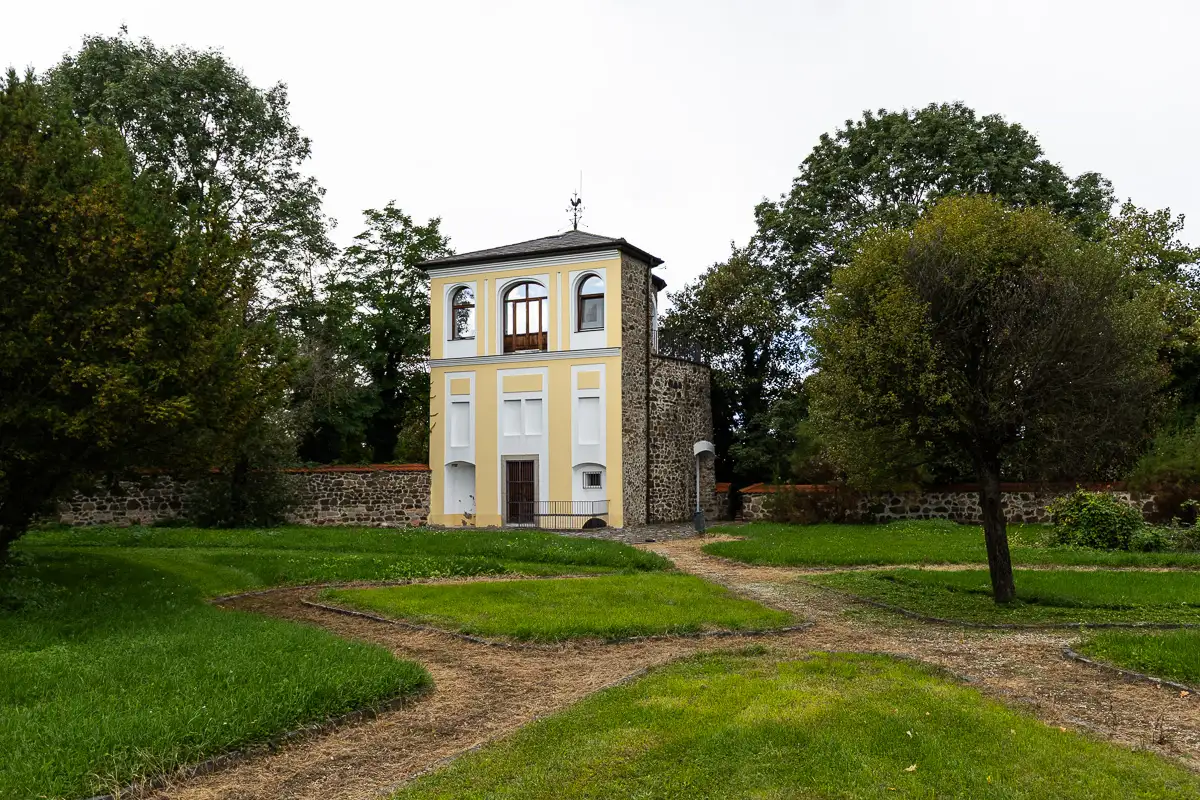
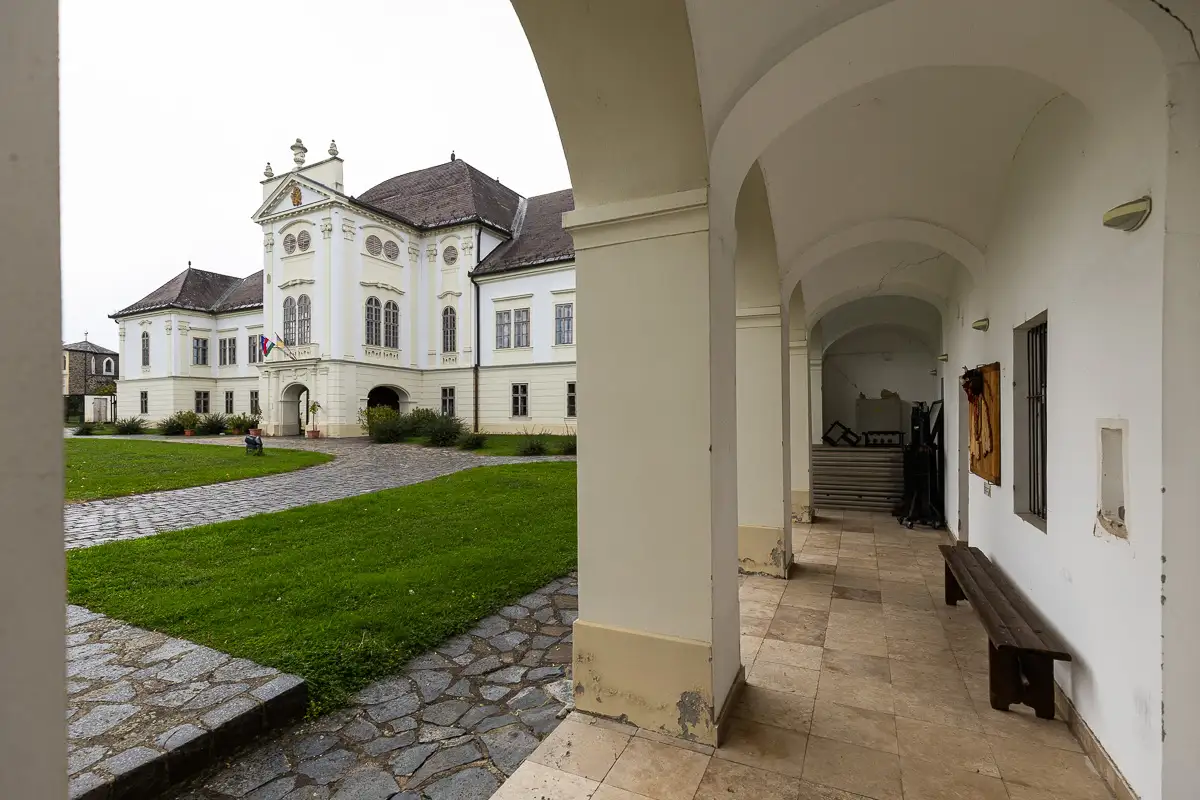
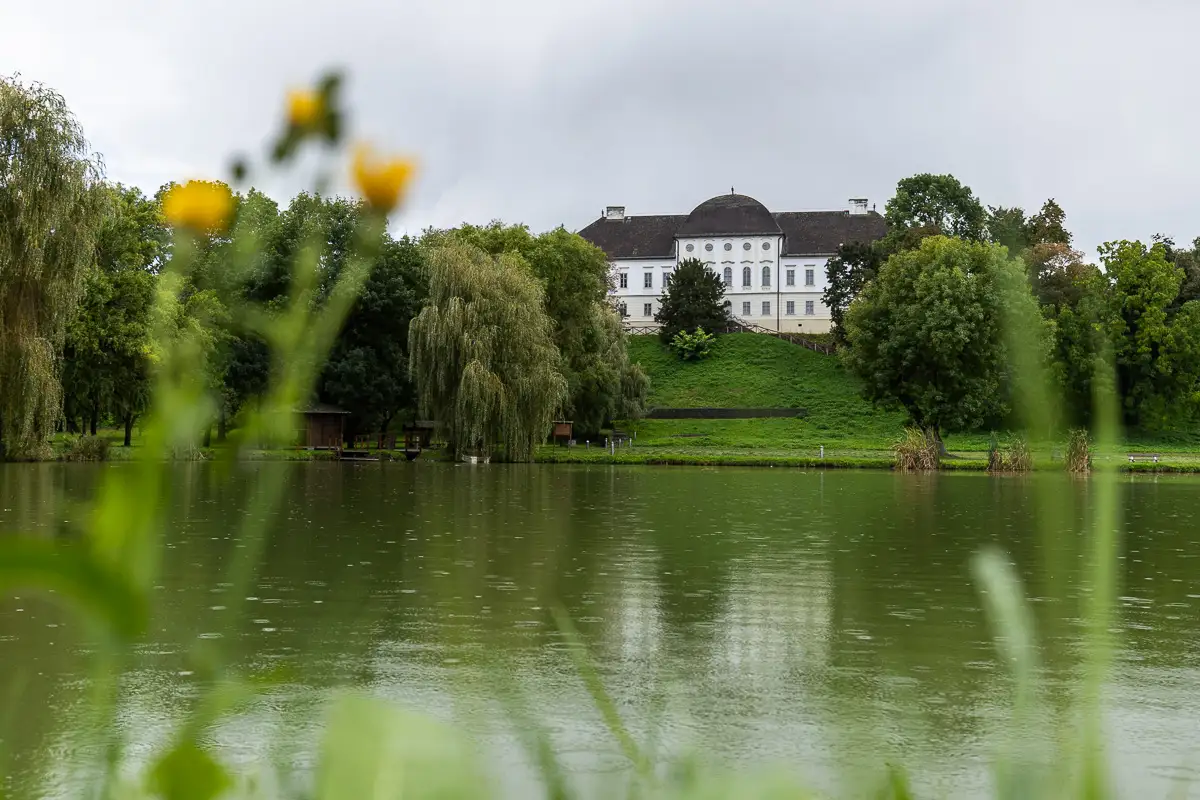
Since 1973, the castle has operated as a local history museum, and since 1979 it has borne the name of Ferenc Kubinyi5. Historical research identifies the Kubinyi family as one of the prominent noble families of Nógrád County. Ferenc Kubinyi played an active role in the Hungarian Reform Diets. Because of his political involvement, he was sentenced to imprisonment following the defeat of the Hungarian War of Independence (1848–1849). His sentence was later commuted, allowing him to serve it on his estate in Tázlár, and in 1852 he was granted amnesty. Kubinyi was a distinguished researcher and archaeologist who published extensively in the fields of paleontology and geology. He led the excavation of the Karancslapujtő–Pókahegy archaeological site and is also credited with identifying the famous fossil pine tree of Ipolytarnóc, one of Hungary’s most significant prehistoric natural treasures.
Today, the castle functions as a museum. Its permanent exhibitions include a prehistoric archaeological collection, an exhibition presenting the medieval castles of Nógrád County, a reconstructed 19th-century ladies’ apartment, as well as a variety of temporary exhibitions. If you have the opportunity, be sure to visit Forgách Castle in Szécsény. Take a stroll through its beautiful park and enjoy a fascinating journey into Hungary's rich historical past.
1 https://www.kitervezte.hu/epuletek/orokseg/forgach-kastely-szecseny
2 https://www.kitervezte.hu/epuletek/orokseg/forgach-kastely-szecseny
3 https://www.bnpi.hu/hu/reszletek/szecsenyi-kastelypark
4 https://www.kitervezte.hu/epuletek/orokseg/forgach-kastely-szecseny
5 http://kubinyimuzeum.hu/hu/a-muzeumrol/forgach-kastely.html