



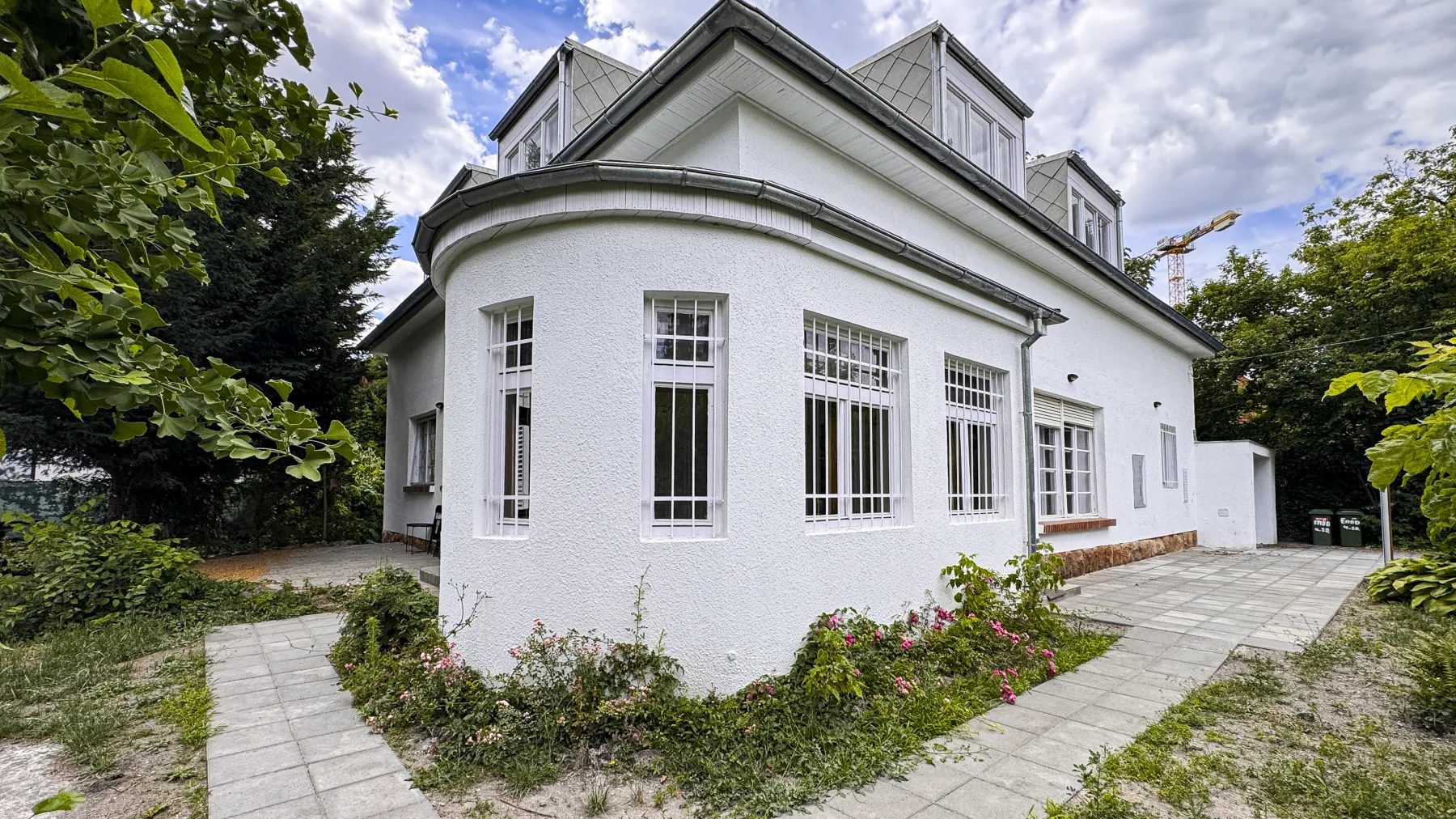
- Noémi Vizi
- Photos: Csorba Dániel
- Reading time: 3 minutes
A New Chapter in the History of the Esterházy Villa – Reopening as a Literary Residency
Following the death of renowned Hungarian writer Péter Esterházy in 2016, his former home stood empty for six years. Eventually, his heirs had no alternative but to put the property, located at 20 Emőd Street in Budapest's 3rd District, on the market. It was a deeply emotional decision, made with the hope that the house would once again be filled with life. It was at this time that writers Miklós Vámos, György Dragomán and Daniel Kehlmann conceived the idea of transforming the villa into a literary residency. As soon as they came across the property listing, they knew they had to act to preserve the home of one of Hungary's most influential literary figures. The three authors spearheaded the initiative and approached the Municipality of Óbuda–Békásmegyer, which ultimately purchased the property and entrusted its operation to the Friends of Hungarian Literature Creative Residency Foundation (MIBA). The restoration project brought together an exceptional collaboration: Market Építő Zrt., more than fifty companies, faculty members and students of the Department of Public Building Design at the Budapest University of Technology and Economics, as well as the architectural studio Hetedik Műterem all contributed to the reconstruction. The objective was to modernise the building while carefully preserving the unique atmosphere of the Esterházy era and the spirit of the house.
Let us take a closer look at the history of the villa and explore its journey from its original construction to its rebirth as a literary residency. According to historical records, the house was commissioned by Jenő Tatár and his wife1. Built in 1935, it was likely among the first holiday villas on Budapest's Római Part (Roman Riverside)2. Contemporary telephone directories confirm that it served as a summer residence until at least 19433. At that time, the area retained the character of a quiet suburban holiday district. It could be reached by the suburban HÉV railway, although development progressed gradually and the neighbourhood was only slowly populated4. Originally designed as a single-storey, L-shaped building, the villa featured bedrooms overlooking the garden, while the dining room faced Boris Street. In addition to separate rooms for the adults and children, the layout also included a kitchen, pantry, bathroom, entrance hall, maid's room and dressing room, reflecting the lifestyle and architectural standards of the period.
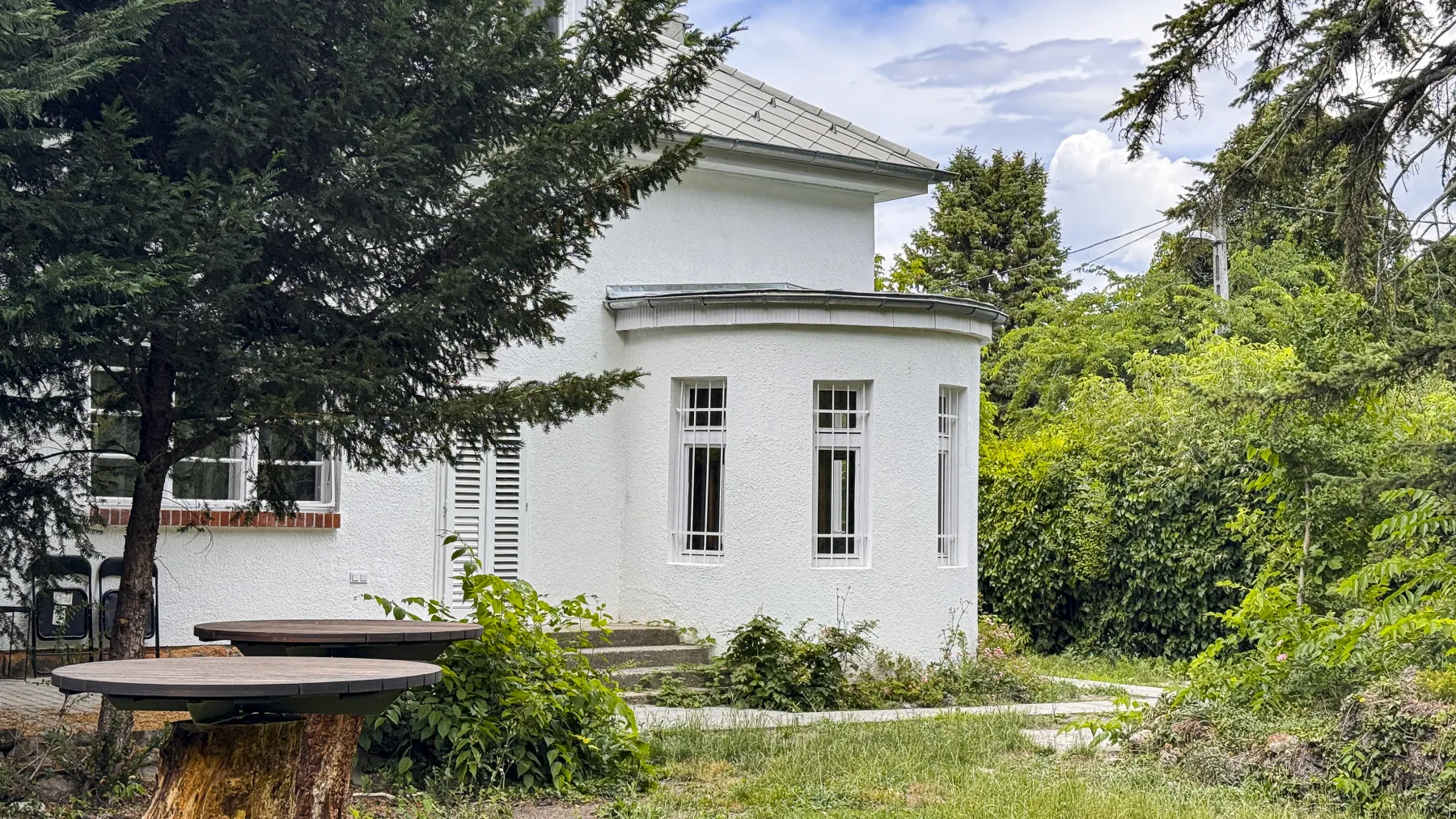
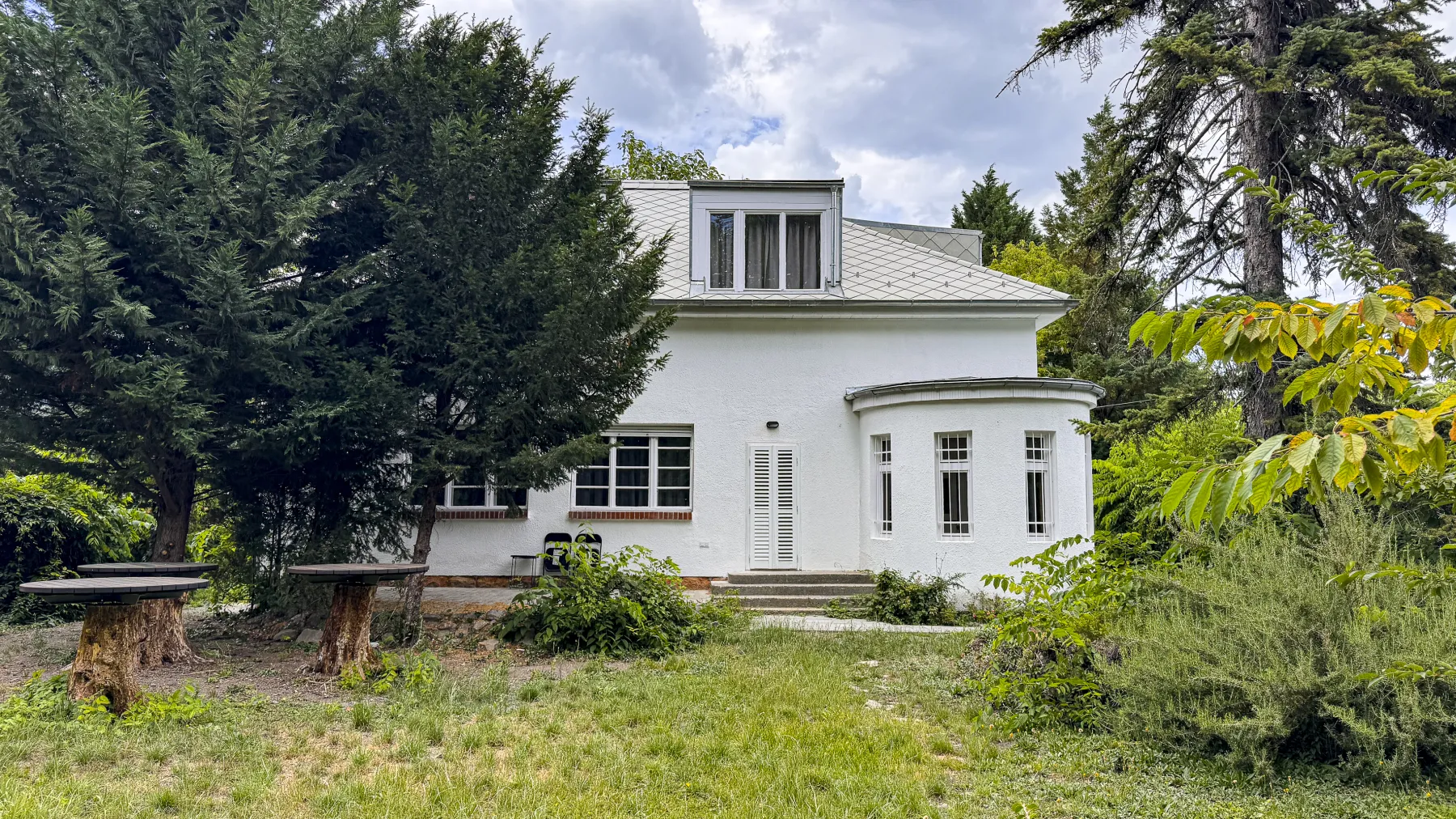
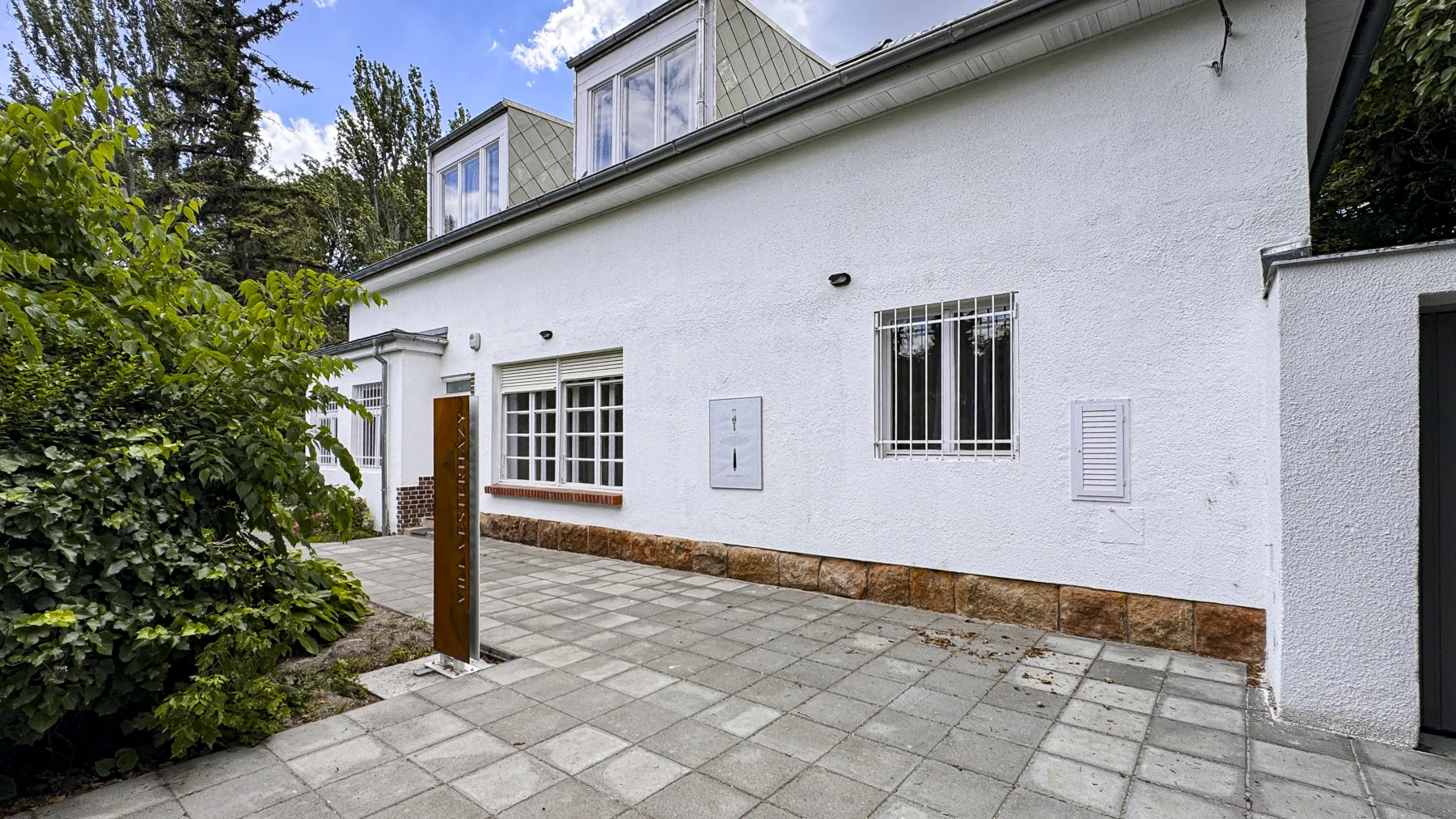
By this time, the Esterházy family was no longer living in prosperity. In 1951, Count Mátyás Esterházy, his wife Irén Magdolna Mányoki, and their four children were forcibly relocated from their home in Budapest's 12th District to the village of Hort during Hungary's communist-era deportations5. By 1953, the family was living in Csobánka, as they were still prohibited from returning to Budapest. Although Mátyás Esterházy held a doctorate in law, he was forced to earn a living as a road maintenance worker in order to support his family. In 1957, another dramatic turn followed when he was recruited by the state security services, becoming an informant for the notorious Department III/III. From the 1970s onward, he was assigned to the counterintelligence division. The year 1957 also marked a positive turning point for the family. In the spring, they succeeded in purchasing the house on Emőd Street and finally moved in. According to family legend, the previous owners—master leather craftsman Lajos Krausz and his wife Ella Révész, who lived there together with their housekeeper—accepted payment in the form of jewellery from a ceremonial Hungarian noble costume that had remained in the family's possession.
The family of six continued their lives in the villa. Several years later, the original veranda was enclosed, creating an additional room that would later become Péter Esterházy's study. The writer was deeply attached to the house, and in the 1980s he and his family decided to purchase it from his parents. He moved in with his wife and their four children. As the family grew, the house soon proved too small, leading to the conversion of the attic into additional living space6.
Fast forward to 2023, when the heirs decided to sell the property and the Municipality of Óbuda–Békásmegyer acquired it. The rescue of the deteriorated building became an inspiring story of community collaboration. As plans for the restoration took shape, an extraordinary initiative emerged, led by writers Miklós Vámos and György Dragomán together with Market Építő Zrt., and joined by more than fifty construction companies. Every participant contributed their expertise on a pro bono basis. Once the building survey began, it became clear that the condition of the villa was far worse than originally anticipated. The roof required complete replacement, the façade was restored using traditional stone-dust render, the electrical system was entirely renewed, and the stone plinth was treated against rising damp7. Thermal insulation was added, while the mechanical installations and heating system were comprehensively modernised.
The architectural design was carried out by Hetedik Műterem under the direction of Ybl Prize-winning architect Levente Szabó. Throughout the project, preserving the villa's cultural significance remained the guiding principle. Rather than radically rebuilding or modernising the house, the aim was to restore its original architectural character while discreetly incorporating contemporary technical standards. As a result, the appearance of the building has remained remarkably faithful to its historic form8.
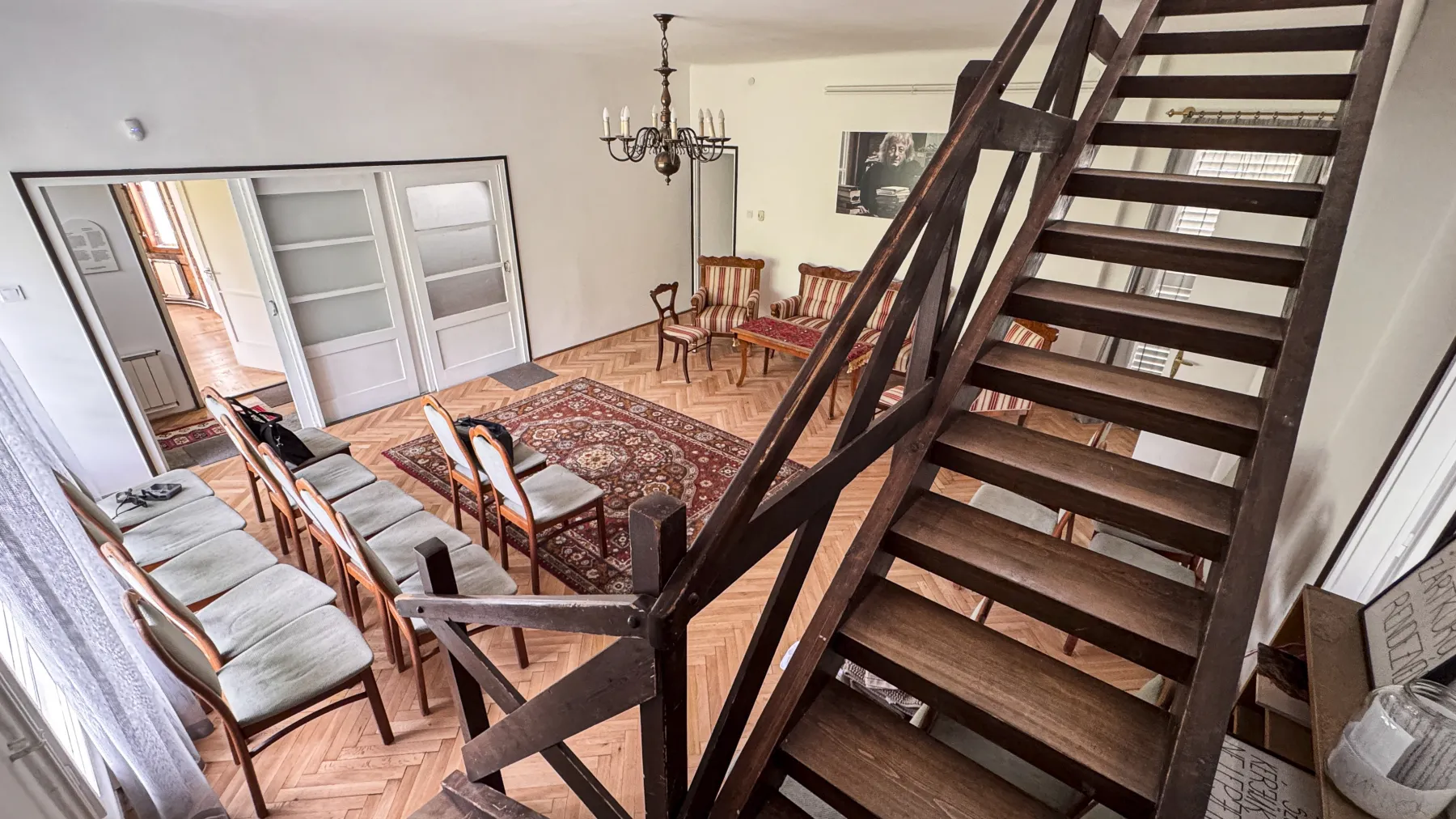
The reborn Esterházy Villa was officially inaugurated on 22 January 2026, symbolically on the Day of Hungarian Culture. Today, the Literary Residency also serves as a vibrant community venue. Its ground floor can accommodate literary evenings and public discussions for approximately 40–50 guests, while the residence welcomes both Hungarian and international writers and literary translators, offering them a peaceful environment dedicated to creative work and reflection.
One particularly remarkable aspect of the Esterházy home was the library assembled by Péter Esterházy and his wife, Gitta, which contained approximately 12,000 volumes9. Books were stacked throughout the house, becoming an integral part of its character and everyday atmosphere. Following the sale of the property, part of the collection was transferred to the Hungarian Lutheran Church, while the author's manuscripts and personal notes were entrusted to the Archive of the Academy of Arts in Berlin.
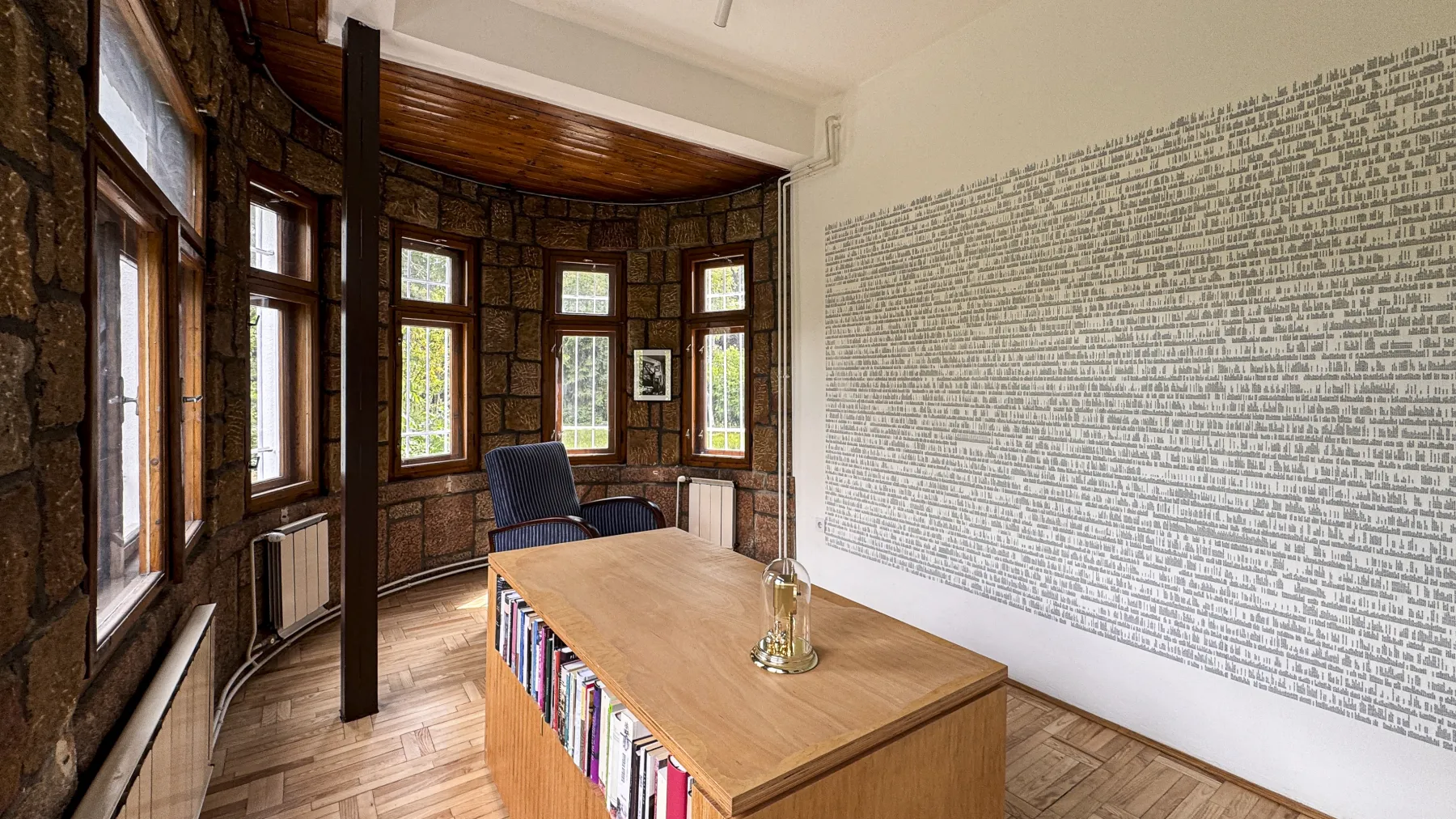
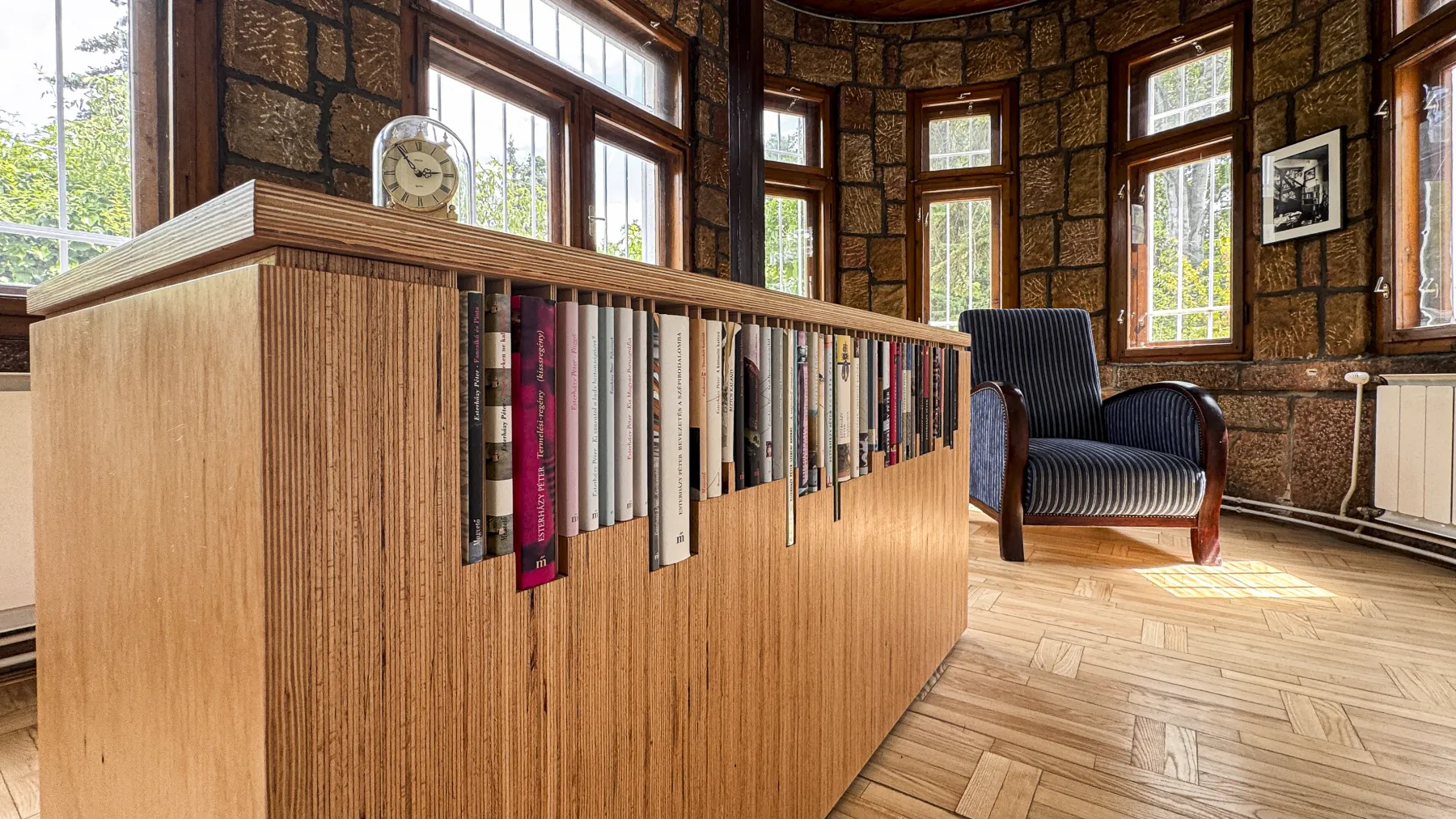
Perhaps the most fascinating room in the villa is the former study, where Esterházy wrote the vast majority of his literary works. The space still possesses a distinctive creative atmosphere, making it one of the emotional focal points of the house10. The room has now been transformed into a memorial study dedicated to the writer. Originally, a Baroque writing desk stood here. Its outline has been reinterpreted in a contemporary installation that symbolically recreates the original desk. The installation cannot actually be used as a desk—there is no space beneath it for one's legs—but on both sides it is lined with books. Only Esterházy's own publications are displayed here, each occupying its designated place. The books are arranged in chronological order, while the tabletop indicates the title and publication date of every work. The opposite side presents a selection of the many translations of his books published around the world. Another striking feature of the room is its custom-designed wallpaper, which lists the authors and titles of all 12,000 books that once formed the family's library. It is a thoughtful and poetic solution that allows the spirit of the original collection to remain part of the villa, even after the books themselves have found new homes.
The Esterházy Villa is an outstanding example of how a historic building on the verge of decline can be given a new life through community collaboration while preserving the intellectual and cultural legacy of its former owner. We are delighted to share its remarkable story in Hungarian Villas Magazine. For even more fascinating details, watch the short film by Dániel Csorba, available here: