



- Noémi Vizi
- Photos: Csorba Dániel
- Reading time: 3 minutes
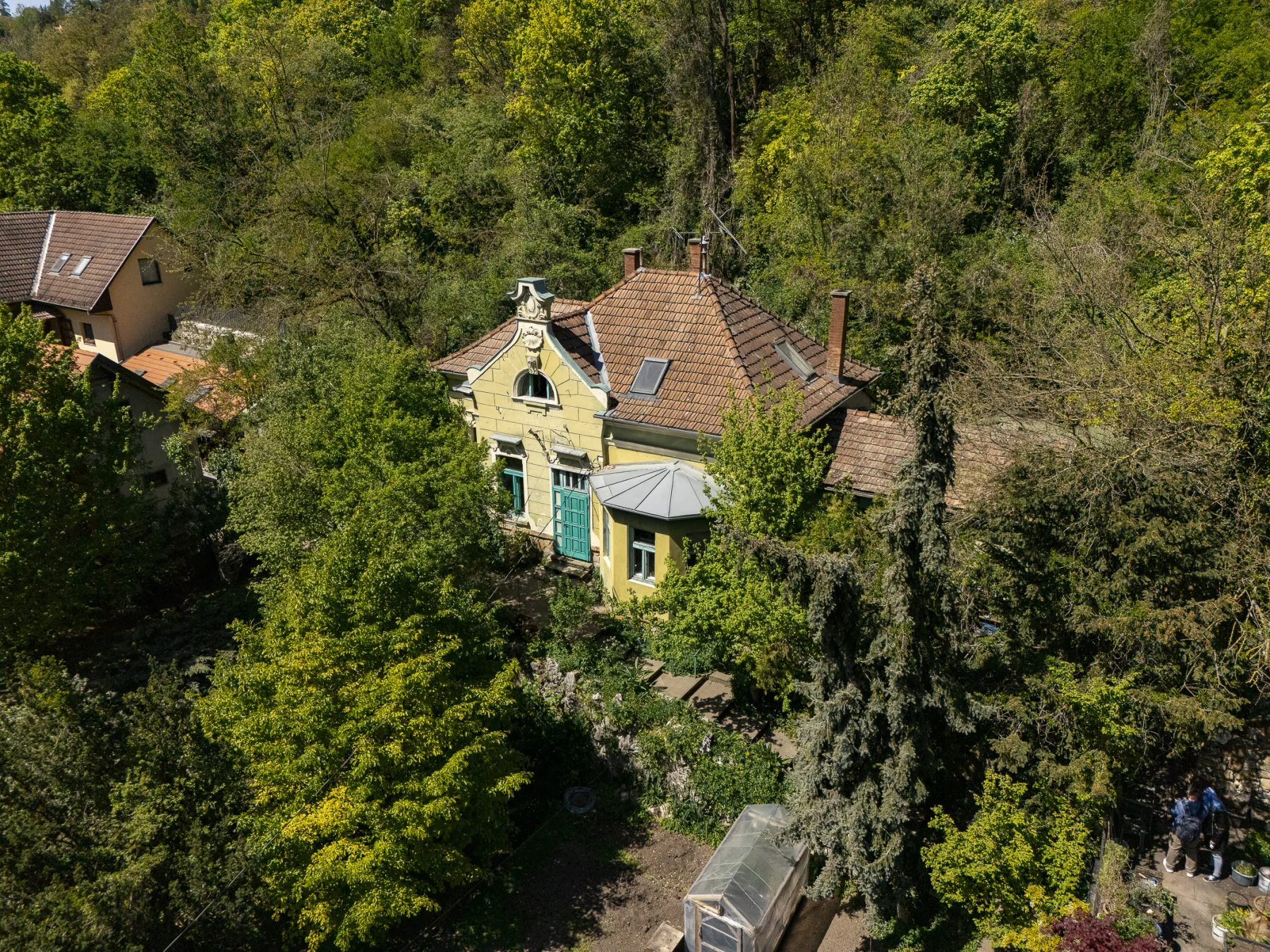
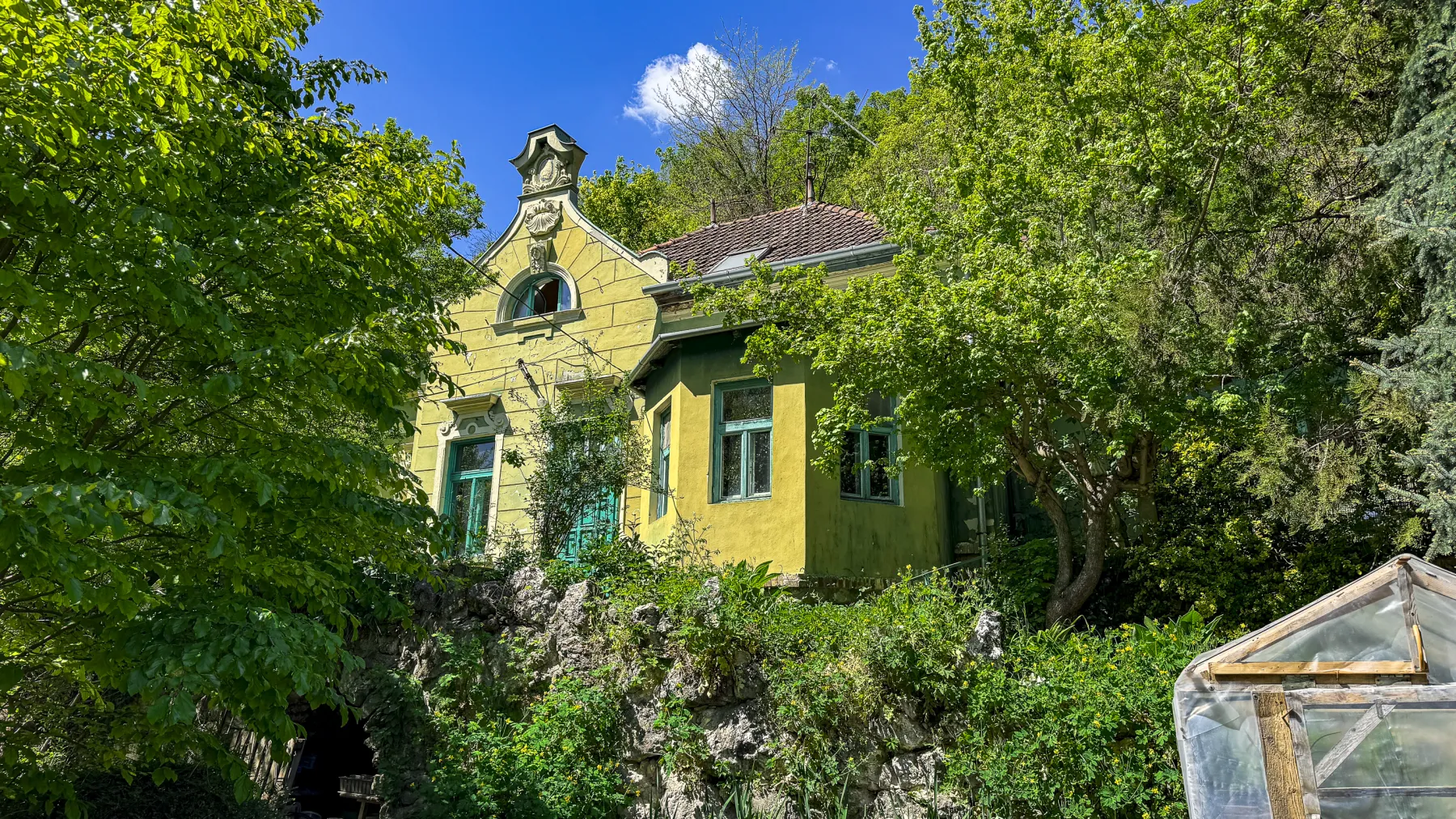
The Former Rónay Villa – Later Ferenc Szálasi's Headquarters in Csobánka
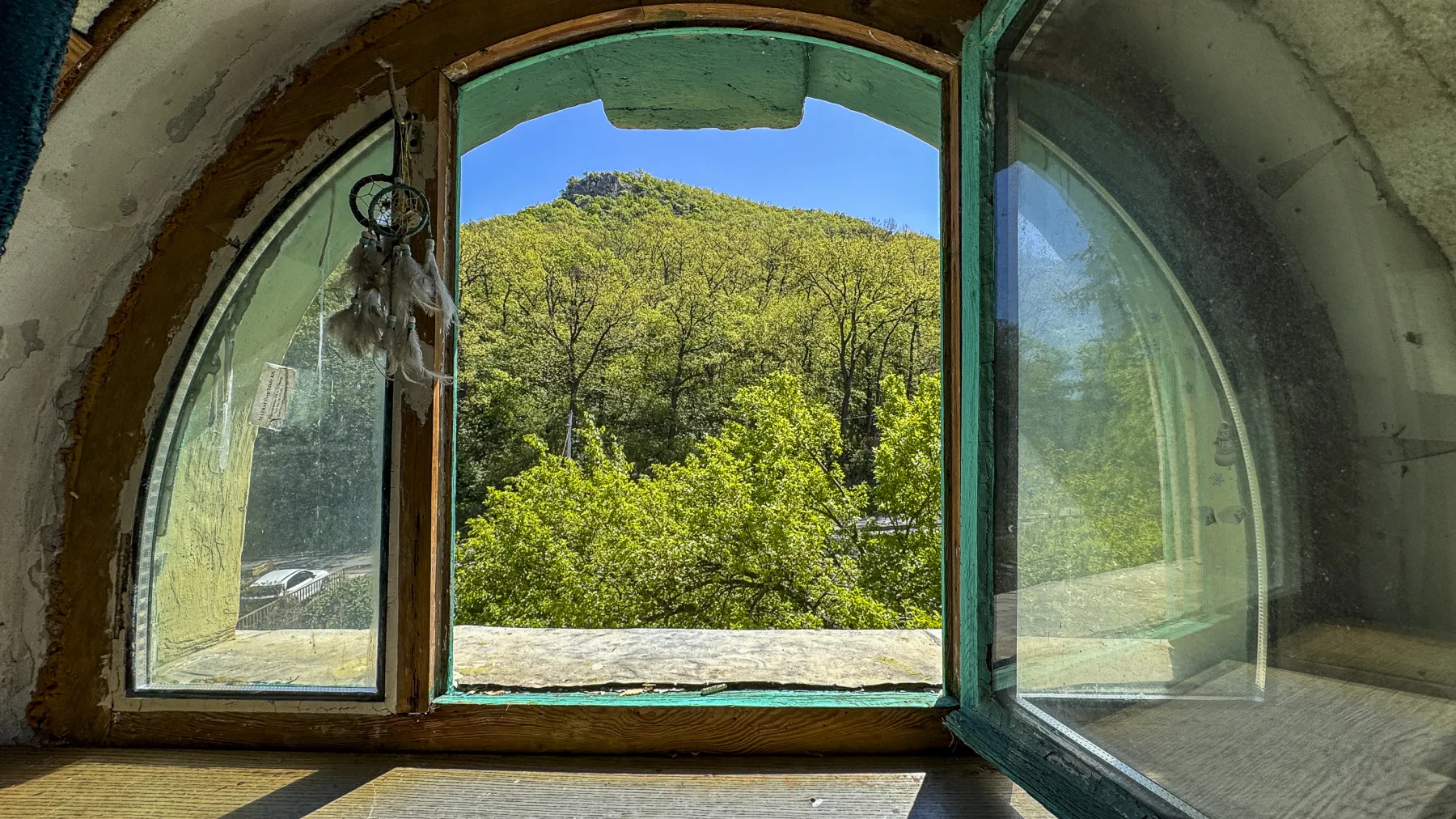
The Rónay Villa in Csobánka—today often referred to as the Szálasi Villa—is one of the Pilis Hills' most remarkable historical landmarks. The building is significant not only from an architectural and local historical perspective, but also because it became closely associated with the history of Hungary's far-right movement during the Second World War. Standing on the banks of the Dera Stream, near the Oszoly Rock, this turn-of-the-century villa is now peacefully hidden in a beautiful natural setting, although its past recalls one of the darkest chapters of the twentieth century.
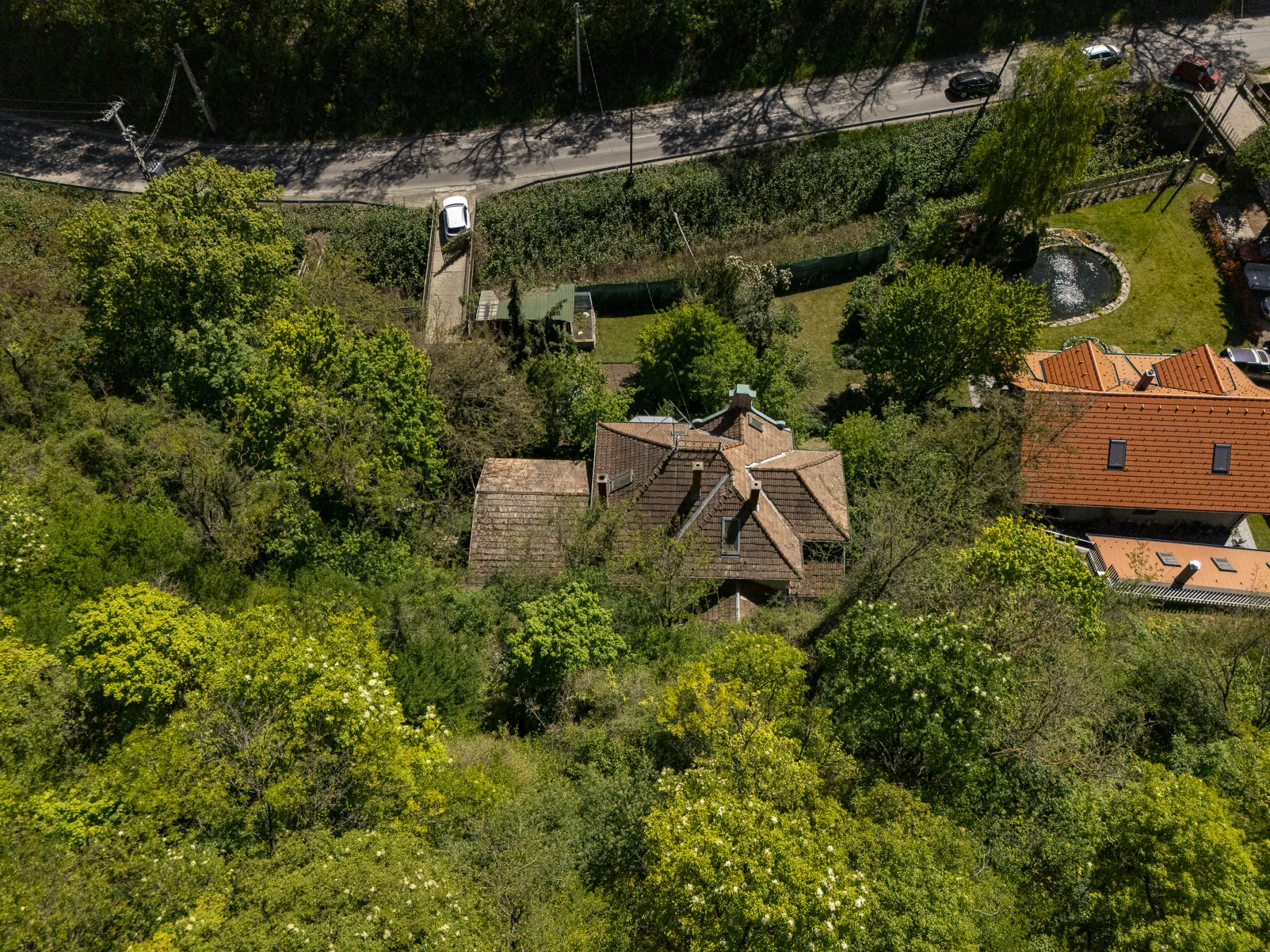
Csobánka is a historic village situated at the foot of the Pilis Mountains, with a history dating back to the Middle Ages. Owing to its unique location—nestled in a valley surrounded by forests, hills, and streams—it became a popular holiday destination for Budapest's middle class and affluent families at the turn of the nineteenth and twentieth centuries. It was during this period that the mansion later known as the Rónay Villa was built, becoming one of the most distinctive residences of the Margitliget villa district. The estate included a spacious garden, a panoramic plot, and a small bridge spanning the Dera Stream. Even today, the villa's greatest charm lies in its natural surroundings, where ancient trees, protected plants, and numerous wildlife species create a unique atmosphere.
The villa's name is associated with the Rónay family. Originally bearing the surname Oexel, they were a noble family of German-Bavarian origin. The family's founder, Mátyás József Oexel, acquired extensive estates in the southern Great Plain in 1781, primarily around2 Kiszombor. In 1846, the family adopted the Hungarian surname Rónay. During the nineteenth century, the Rónays became influential landowners and county officials. Among them were deputy lord lieutenants, members of parliament, and senior administrative officials. They built castles and manor houses and actively supported local cultural and economic life. Although it has never been conclusively proven that the Csobánka villa belonged to this particular branch of the family, historical sources consistently refer to the building as the Rónay Villa.
During the interwar period, Colonel Elemér Rónay was listed among the owners of the villa3. According to a newspaper article published in 1937, the estate was the target of an armed attack when a gang of ten to twelve robbers opened fire on the building. Those inside—including Captain Dr. Antal Berő, Elek Domján, and Márta Rónay—returned the gunfire, while Mrs. Elemér Rónay and the family's other daughter, Alma, locked themselves inside one of the rooms. The mysterious nature of the incident is underscored by the fact that, despite the family's respected social standing, only a single newspaper article ever reported the event. Moreover, no other accounts have surfaced of a burglary committed by a gang of ten to twelve armed robbers anywhere else in the region.
The most famous chapter in the villa’s history, however, is connected to the name of Ferenc Szálasi. After the First World War, Szálasi served as a military officer before gradually turning toward far-right politics4. He developed his own ideology, known as Hungarism, and founded several National Socialist organizations. Due to his political activities, he was imprisoned several times, and in 1940, following the Second Vienna Award, Miklós Horthy released him under an amnesty. It was after this that he became associated with the villa in Csobánka, which was offered to him by one of his supporters.
According to historical sources, Szálasi’s mother moved into the building first, but later the Arrow Cross leader himself also stayed there regularly5. By 1944, the villa had effectively become an informal political center. Its secluded, forested surroundings provided an ideal location for political discussions and withdrawal from public life. According to local recollections, Szálasi often appeared in the village accompanied by men wearing green shirts, but he did not seek contact with the local population.
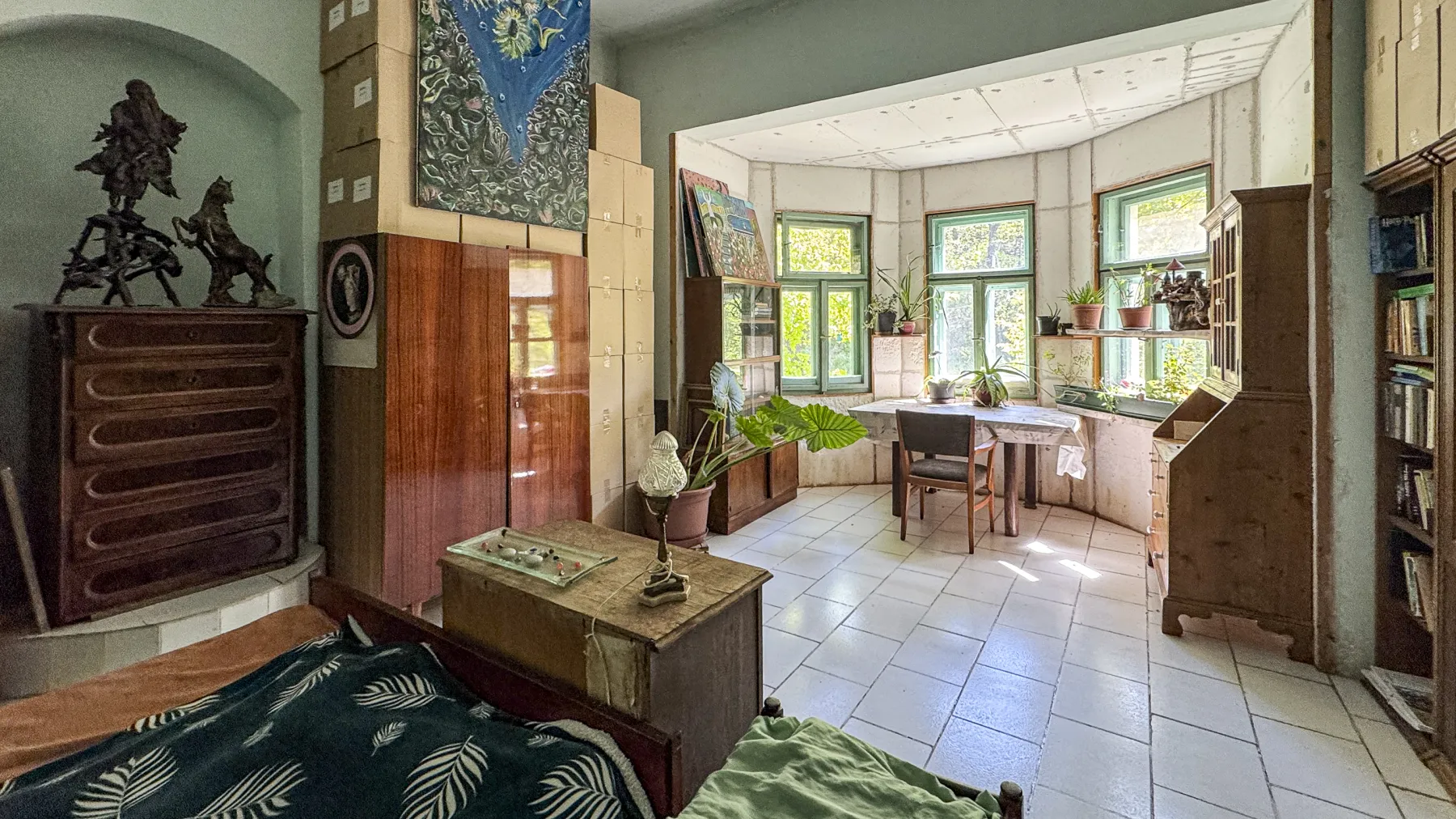
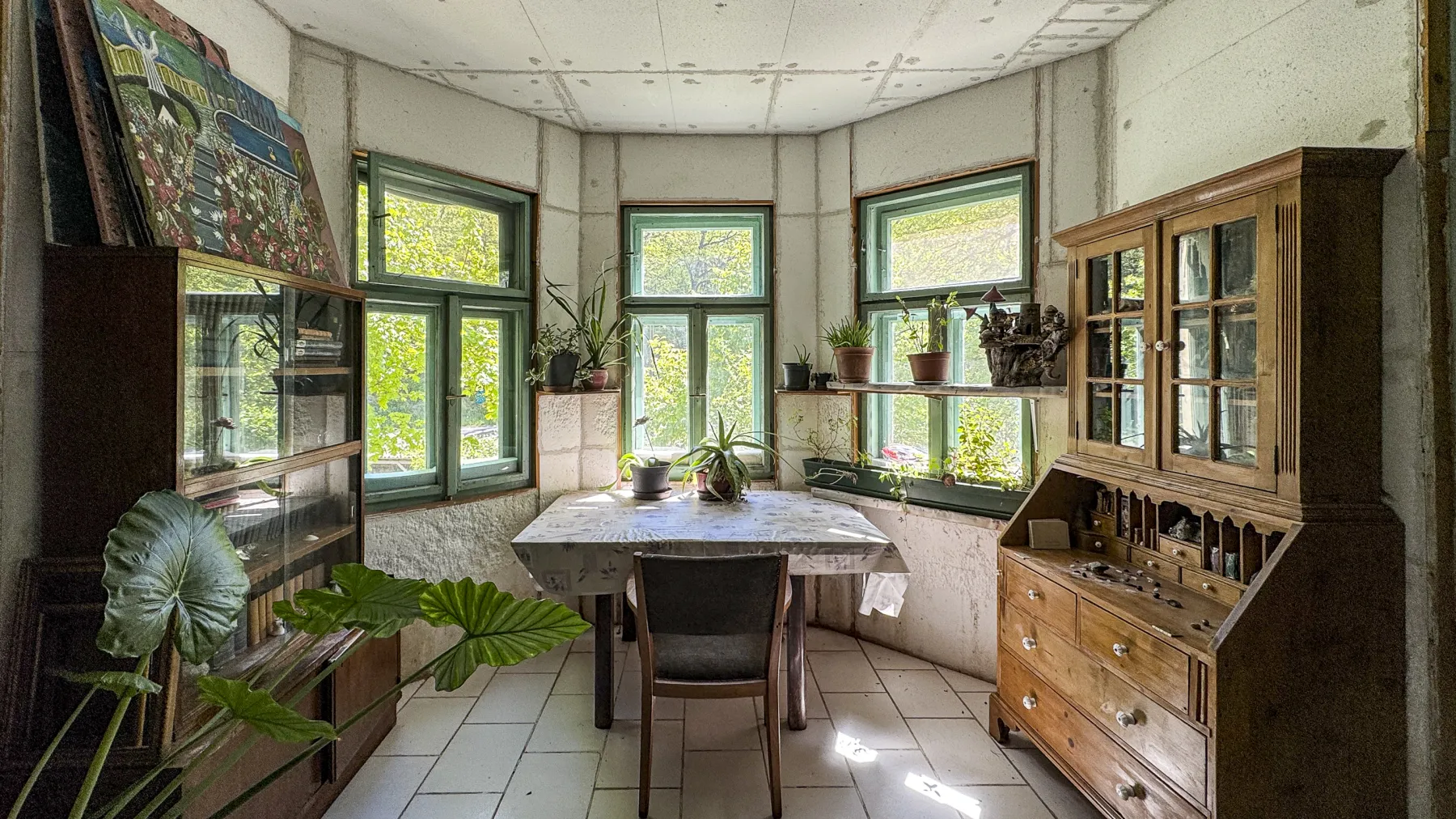
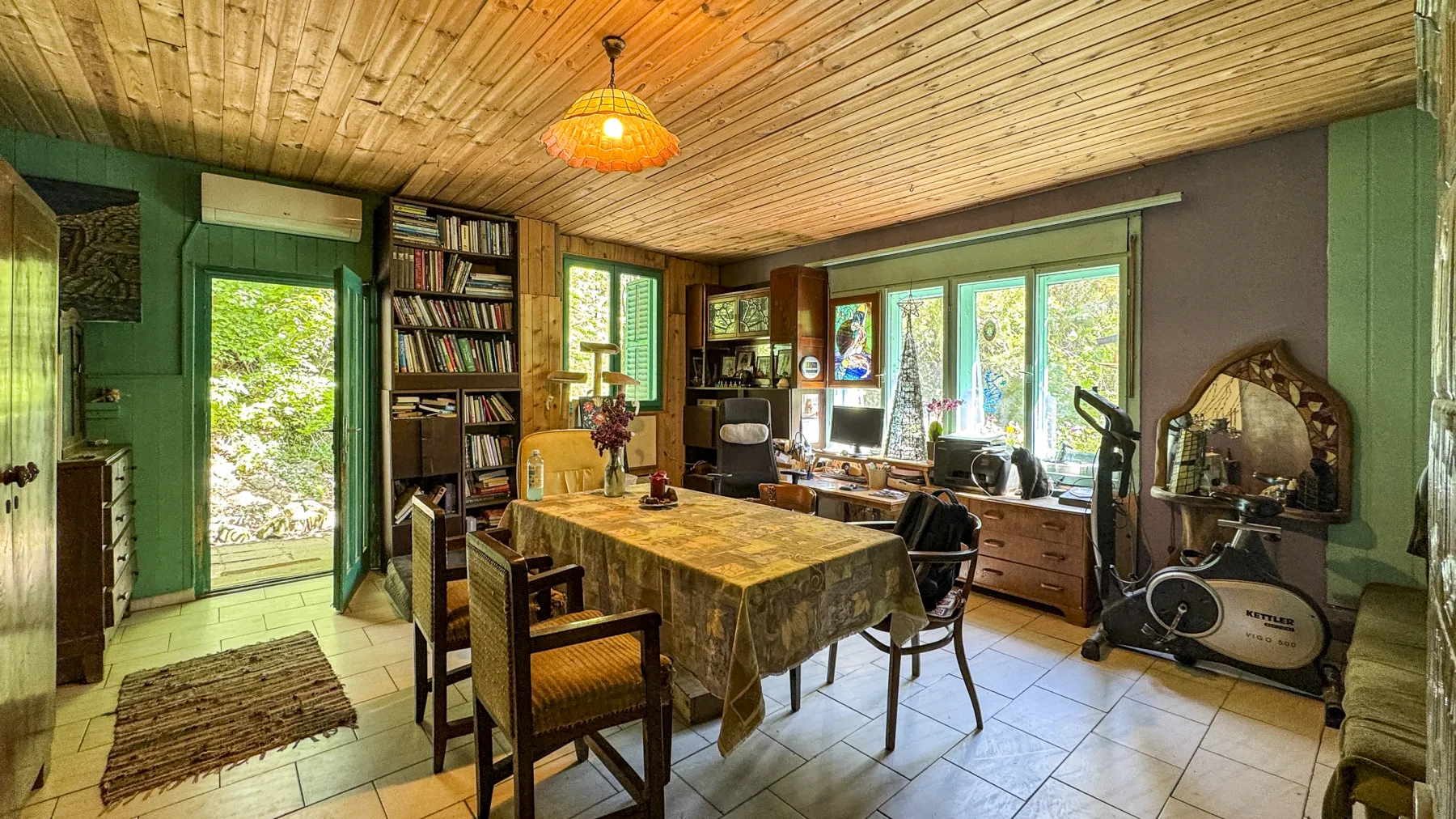
The historical significance of the villa is further enhanced by the fact that the German translation of the memorandum addressed to Adolf Hitler was also prepared here in the summer of 19446. By that time, Szálasi felt that the German leadership was not taking him seriously enough, so he wanted to appeal directly to Hitler. Gábor Kemény and Kurt Haller also worked on the translation of the document in the Csobánka house. Although the memorandum did not result in a personal meeting, the Germans later supported Szálasi following Miklós Horthy’s failed attempt to withdraw Hungary from the war.
In October 1944, Ferenc Szálasi became Hungary’s so-called “Leader of the Nation”, and the Arrow Cross Party took power7. During the months of Arrow Cross rule, mass deportations, executions, and acts of terror took place. Szálasi’s regime chose unconditional cooperation with Nazi Germany while the country was already suffering from the devastation of war. By this time, the Csobánka villa had lost its political role, as Szálasi moved his headquarters first to Buda and later to Western Hungary. In 1945, he fled to Germany, where he was captured by American forces. After being extradited to Hungary, he was brought before the People’s Tribunal and executed as a war criminal in March 1946.
After the war, the villa remained in private ownership and appeared on the real estate market several times over the following decades. The building still stands today, although it requires renovation. Due to its historical background, it periodically receives national attention, especially when it is offered for sale. For local residents, however, it is primarily not a political memorial site, but rather part of the settlement’s historic villa heritage.
The Rónay Villa in Csobánka preserves natural, architectural, and historical memories at the same time. Within its walls, the world of turn-of-the-century rural villas, the history of Hungarian noble families, and the tragic political legacy of the Second World War all come together. The building is therefore not only a unique landmark of Csobánka but also an important and controversial witness to Hungarian history.