


-
 Written by:
Noémi Vizi
Written by:
Noémi Vizi
- Photos: Fortepan
- Reading time: 3 minutes

The Széchenyi Family’s Estates and Castles in Hungary
In 2025, we commemorate the activities of Count István Széchenyi, as in 1825 he offered one year’s income from his estates to establish the Hungarian Academy of Sciences. The 200th anniversary is an important milestone, drawing attention to the support of the Hungarian language and Hungarian science.
The Széchenyi family originates from Nógrád County1. According to one source, the family’s cradle was Szécsény2, while another identifies Alsószécsényke as their place of origin3. From the 15th century onwards, the family name became well-known, producing famous priests, soldiers, and statesmen. György Széchényi (1592–1695) can be considered the founder of the family fortune. He chose the ecclesiastical path, serving as bishop of Pécs, Veszprém and Győr, later becoming Archbishop of Kalocsa and Esztergom, and eventually reaching the highest ecclesiastical rank in Hungary as Primate of Hungary4. He became an exceptionally wealthy man, purchasing estates for himself and his siblings. These properties were mainly concentrated in the western part of the country, near the border. Even today, the Széchenyi castles of Nagycenk, Sopronhorpács and Somogytarnóca are widely known. The descendants of György’s brother Lőrinc continued the family line. Count György Széchenyi (1656–1732) received the title of count from Emperor Leopold I in 16975 due to his military successes as a commander and castle captain. From then on, this prestigious rank was passed down through generations.
Sopronhorpács – Széchenyi Castle
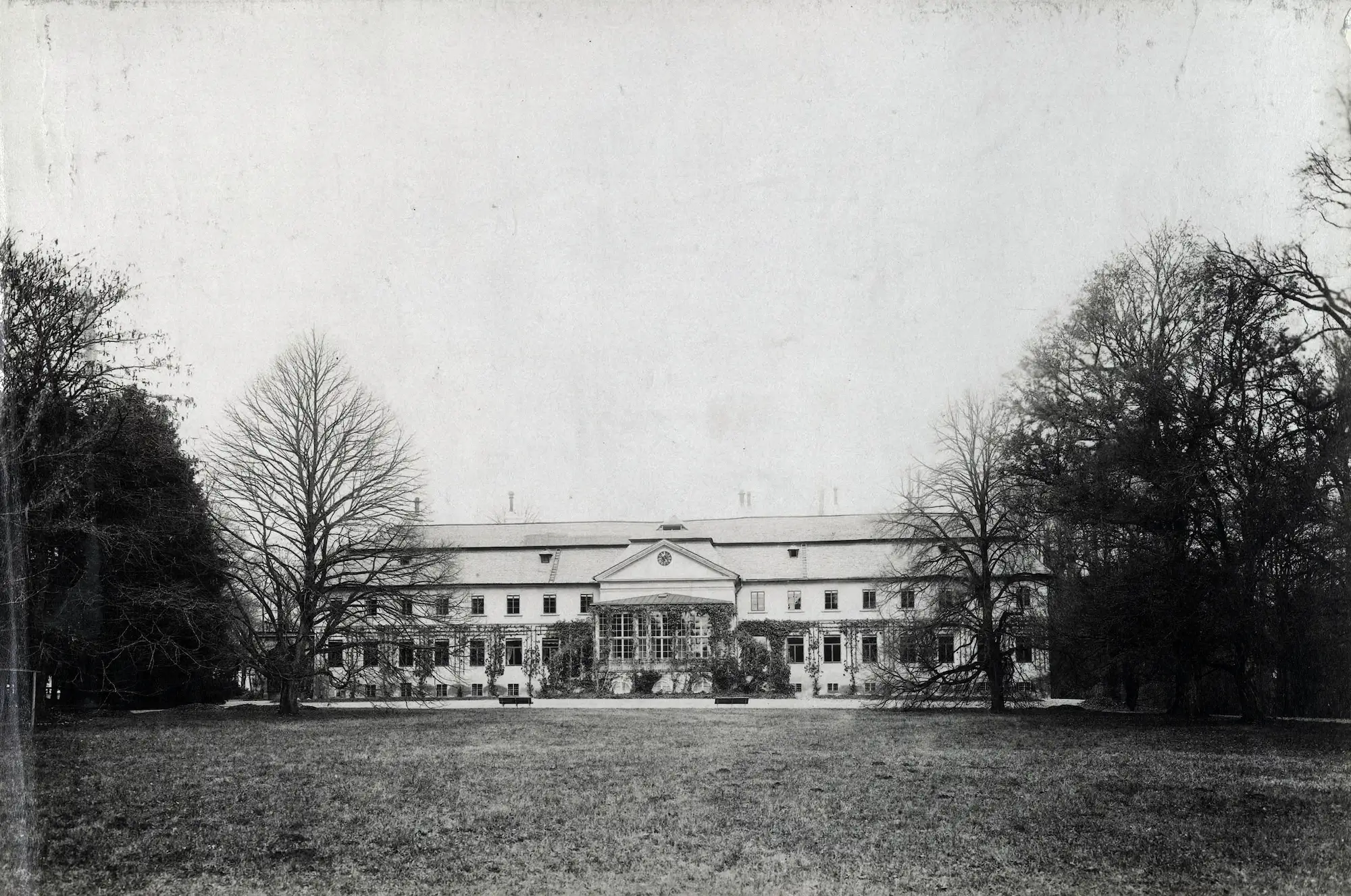
The name of Ferenc Széchényi (1754–1820) is closely associated with the foundation of the Hungarian National Museum. He was a dedicated collector of art and historical objects. He lived in Horpács and later moved to the castle in Cenk after the death of his parents. In 1802, he offered his collections – including engravings, maps, coin collections, as well as books, Hungarian-related printed works and manuscripts – to the public. This donation led to the creation of the Hungarian National Museum and indirectly contributed to the establishment of the National Széchényi Library6. Plans for the reconstruction of the Nagycenk castle were prepared in 1791 by architect Menyhért Hefele, but the count was reluctant to add another floor to the building. Instead, he commissioned József Ringer to create more modest plans, which were completed by 1800.7
Ferenc’s son was István Széchenyi (1791–1860), known as “the Greatest Hungarian”. István received a religious education, while his family also considered language learning extremely important. The family spoke and corresponded in German, while Széchenyi also mastered Latin, English, French and Italian8. This knowledge laid the foundation for his later travels and international connections. The experiences he gained abroad greatly influenced his reform-minded thinking. In 1809, together with his uncle Pál, he joined the noble army fighting against Napoleon. His military career lasted until 1826, during which he received several honours9. He inherited the estate of Cenk from his father in 1815 and became increasingly interested in horse breeding. He travelled to England several times and purchased horses there. Thanks to his initiatives, horse races began in Pest and the first Hungarian casino was established. In 1821, he met Baron Miklós Wesselényi, whose influence encouraged him to improve his Hungarian language skills. In 1825, Széchenyi delivered a speech in Hungarian in support of national spirit and the development of the Hungarian language, offering one year’s income from his estates for this purpose. This donation became the foundation of the Hungarian national scientific institution10, today known as the Hungarian Academy of Sciences.
Széchenyi Chain Bridge, 1900
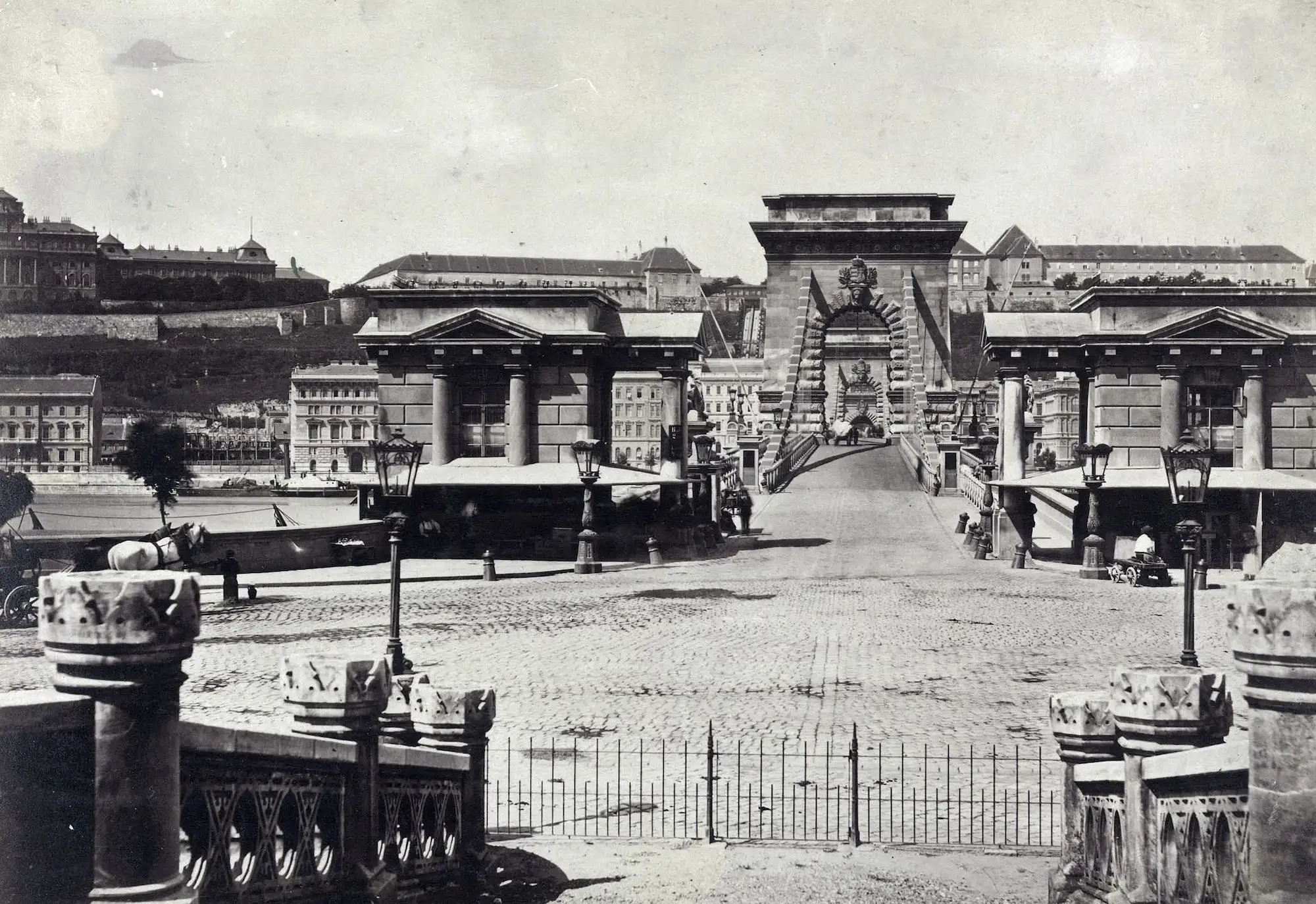
István Széchenyi was deeply interested in creating a permanent bridge over the Danube to connect Buda and Pest. He became president of the Budapest Bridge Association. His name and achievements are still preserved by the Széchenyi Chain Bridge. Its foundation stone was laid in 1842. The bridge was designed by William Clark and constructed under the direction of Adam Clark. It represented a completely new dimension in transportation and greatly contributed to the development of urban life in the capital.
Széchenyi Castles in Hungary
Somogy County: Kőröshegy, Marcali, Segesd, Somogyvár, Somogytarnóca, Csokonyavisonta (2), Homokszentgyörgy, Kálmáncsa, Rinyatamás (10)
Veszprém County: Balatonfüred, Ötvös (2)
Békés County: Póstelek (1)
Győr-Moson-Sopron County: Fertőszéplak, Iván, Nagycenk, Sopronhorpács, Pusztacsalád, Rábasebes (6)
Vas County: Gencsapáti, Hegyfalu, Peresznye, Rum, Táplánszentkereszt (5)
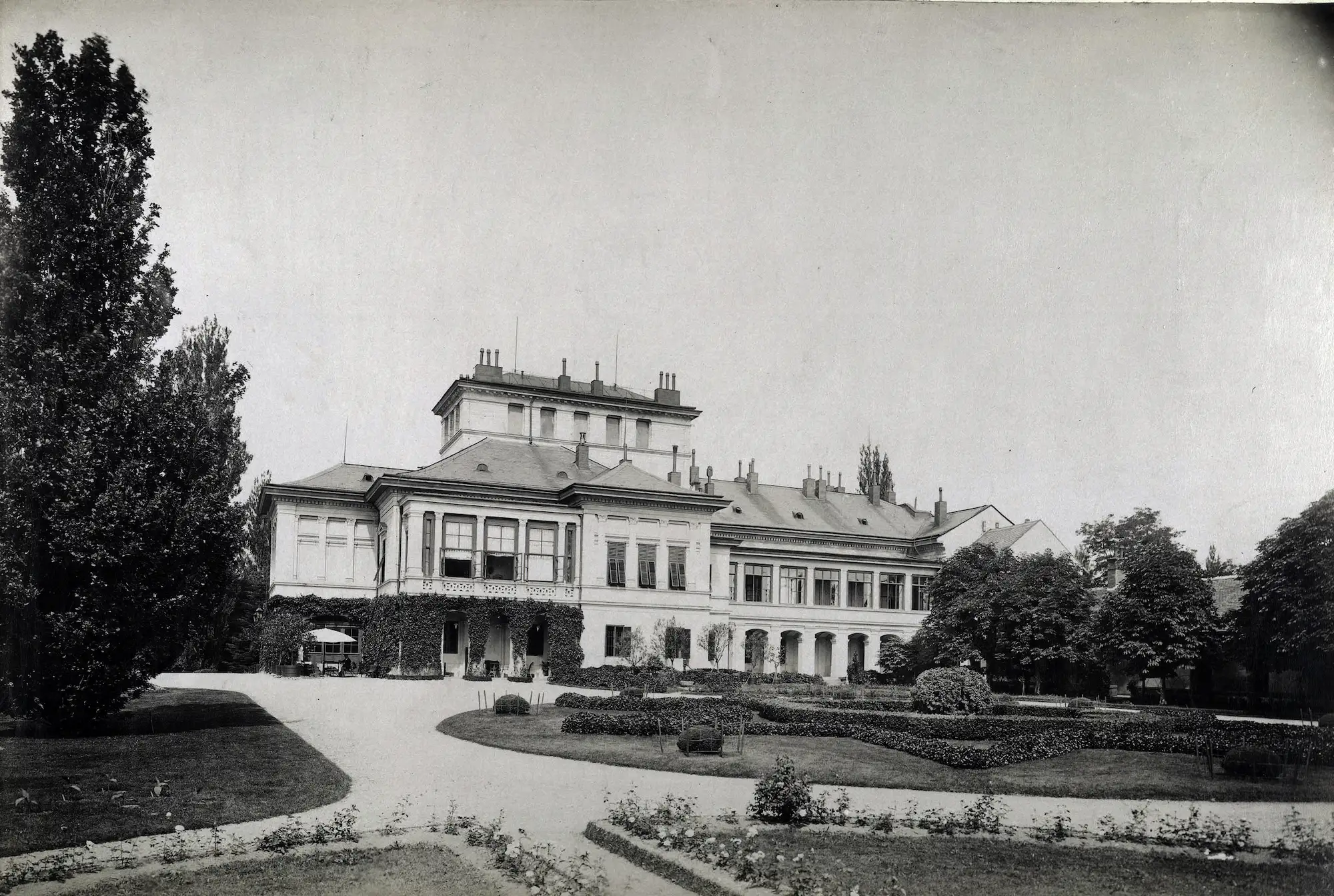
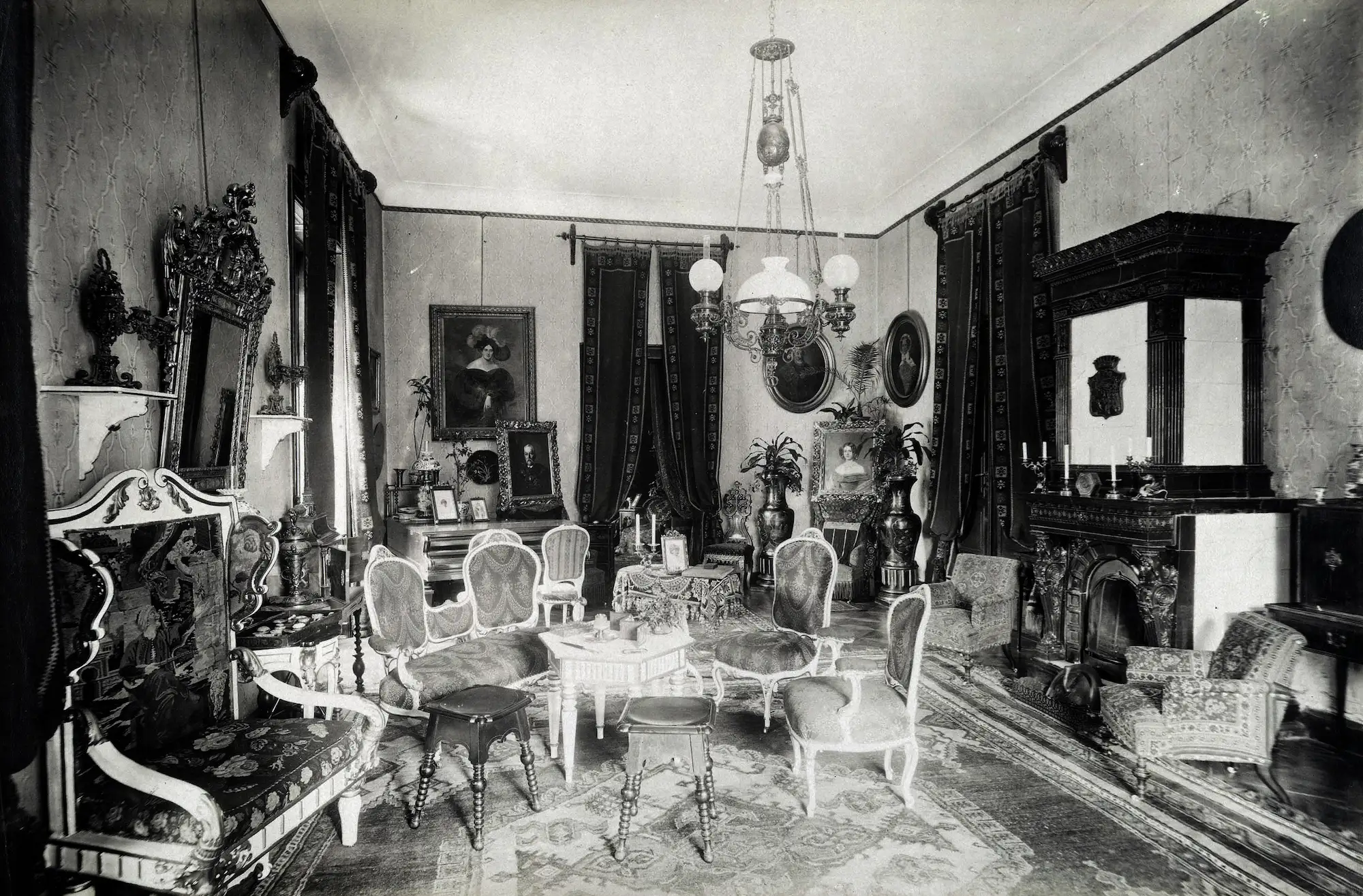
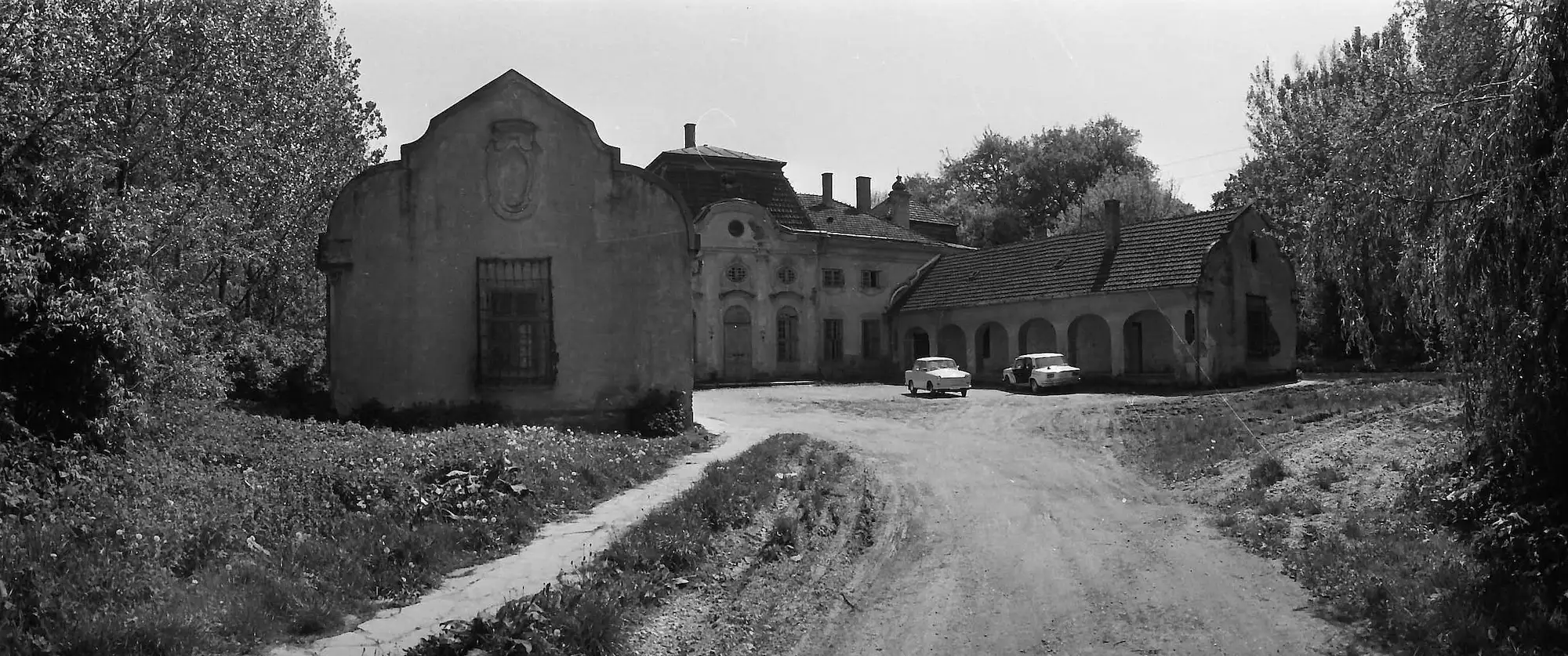
According to our current knowledge, there are 24 Széchenyi castles in Hungary. Their condition varies greatly. Some have been completely renovated and now operate as museums, retirement homes, or private residences. State-maintained buildings, such as schools, were often reconstructed decades ago and have remained in continuous use, with regular maintenance carried out. The third category includes castles in dangerous condition. These buildings have often stood abandoned for decades; in many cases, only the walls remain, or sometimes even just ruins indicate the former location of the castle.
It is our intention to introduce our readers to the Széchenyi castles that are in good condition and worth presenting in the coming years.
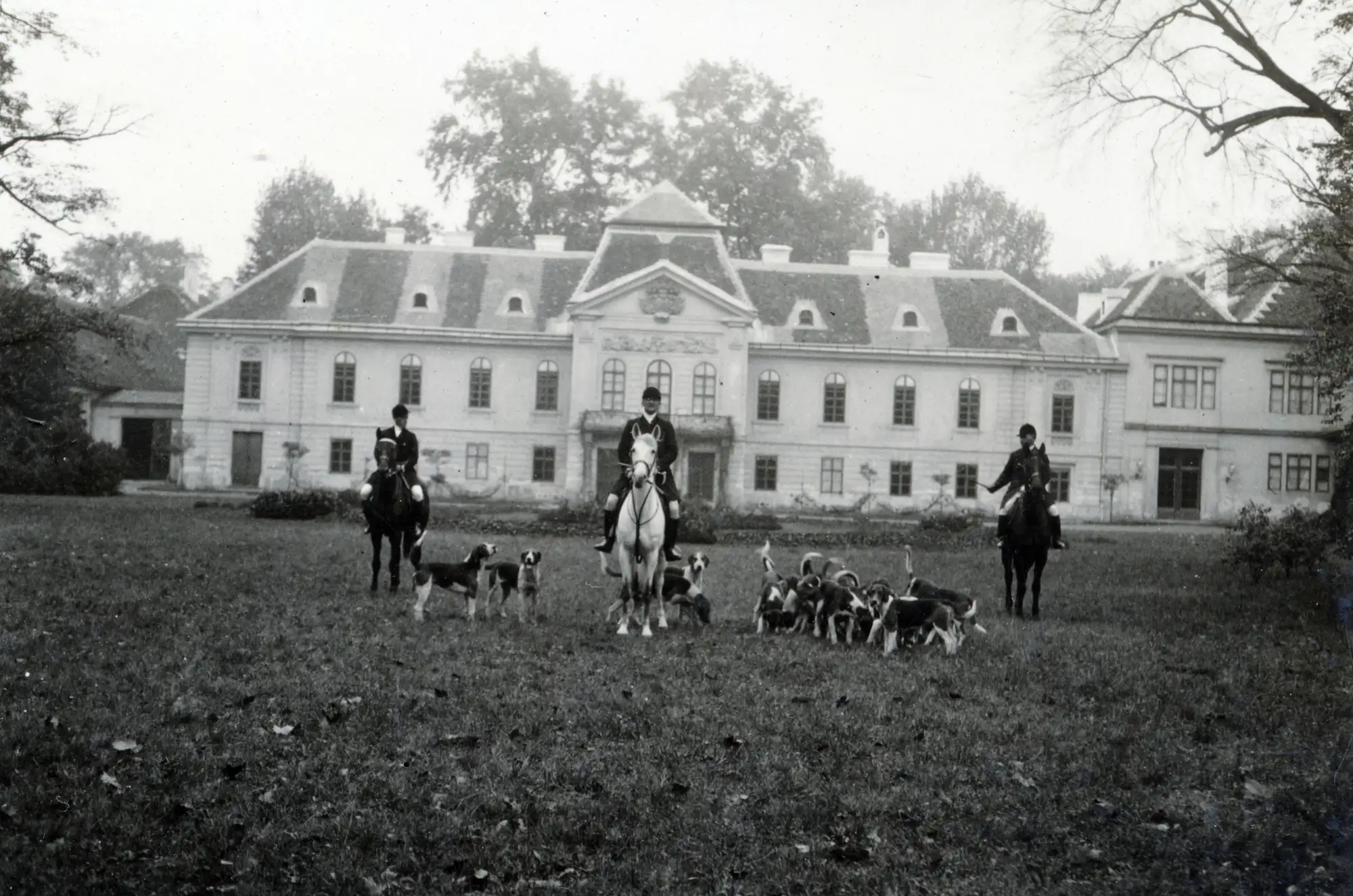
The cover image shows the Széchenyi Castle in Nagycenk. Image source: Fortepan / Budapest City Archives / Photographs by György Klösz.
1 https://amultemlekei.hu/szechenyi-csalad-tortenete-kastelyok/
2 https://amultemlekei.hu/szechenyi-csalad-tortenete-kastelyok/
3 https://szechenyicsalad.hu/grof-szechenyi-istvan-eletutja/
4 https://szechenyicsalad.hu/grof-szechenyi-istvan-eletutja/
5 https://amultemlekei.hu/szechenyi-kastely-nagycenk/
6 https://amultemlekei.hu/szechenyi-kastely-nagycenk/
7 https://amultemlekei.hu/szechenyi-kastely-nagycenk/
8 https://szechenyicsalad.hu/grof-szechenyi-istvan-eletutja/
9 https://szechenyicsalad.hu/grof-szechenyi-istvan-eletutja/
10 https://szechenyicsalad.hu/grof-szechenyi-istvan-eletutja/