


- Noémi Vizi
- Photos: Felszeghy Áron
- Reading time: 2 minutes
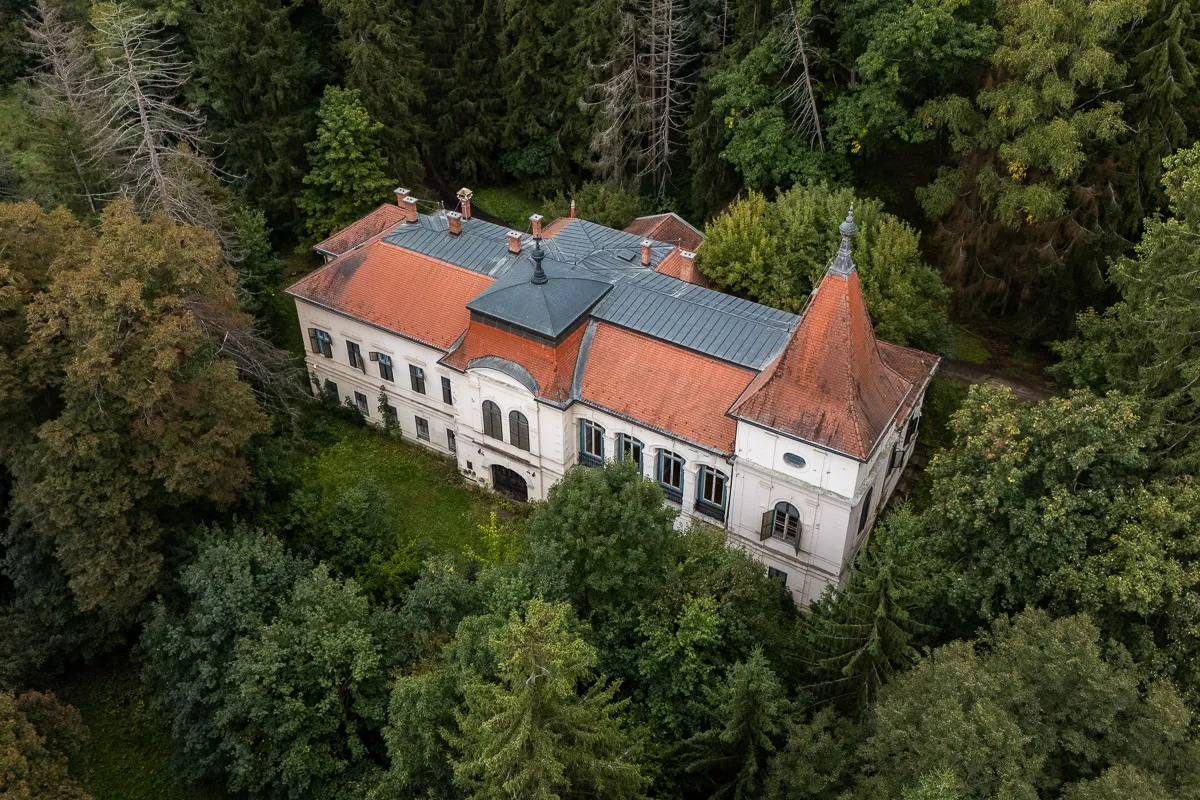
Felsőpetény – The Almásy Castle, where Archbishop József Mindszenty was held under house arrest following his show trial in 1956
This is an unusual edition of our Hungarian Villas series, as very little information is available about the history of the Almásy Castle in Felsőpetény. However, we were able to find sources on its last owner, Imre Almásy, as well as on the show trial of József Mindszenty, Hungary's last Prince Primate, who was held captive at the castle before being freed during the Hungarian Revolution of 1956.
Felsőpetény was first mentioned in written records in 1247, although at that time it formed a single settlement with Alsópetény. More than a century later, the two villages became administratively separate. During the Ottoman occupation, the population declined significantly, and in the 18th century Slovak settlers moved into the village. The Almásy Castle, one of Felsőpetény's main landmarks, was built in 1902. According to one source, it was commissioned by the Spett family and stood within an estate of approximately 18 holds (around 10 hectares).1.
The castle takes its name from Count Imre Almásy of Zsadány and Törökszentmiklós (1868–1929). The ancient noble family received its renewed coat of arms and confirmation of nobility from Vienna in 16772. In 1892, Imre married Kornélia Mária Franciska Wesselényi, daughter of Miklós Wesselényi. They had four children: Dénes, Ilona, Imre (1896–1973), and Mária. For the purposes of our story, the central figure is Imre Almásy Jr., who became the last private owner of the Felsőpetény estate. On 15 November 1920, he married Countess Antoinette Friderika Franciska Mária Széchenyi (1896–1971) in Póstelek. The couple spent much of their time at the castle, and their first child, Orsolya (1921–2014), was born there3. She was followed by Miklós and István, who were also born in Felsőpetény, where the family lived permanently.
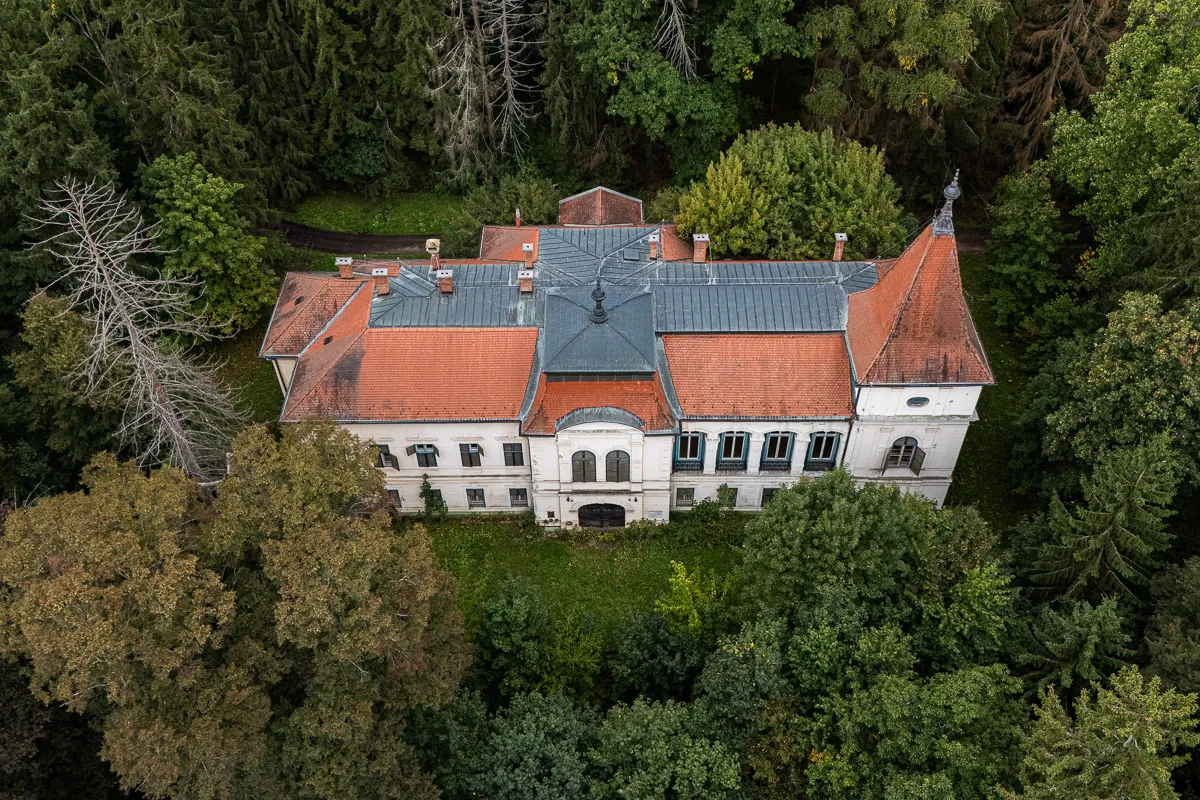
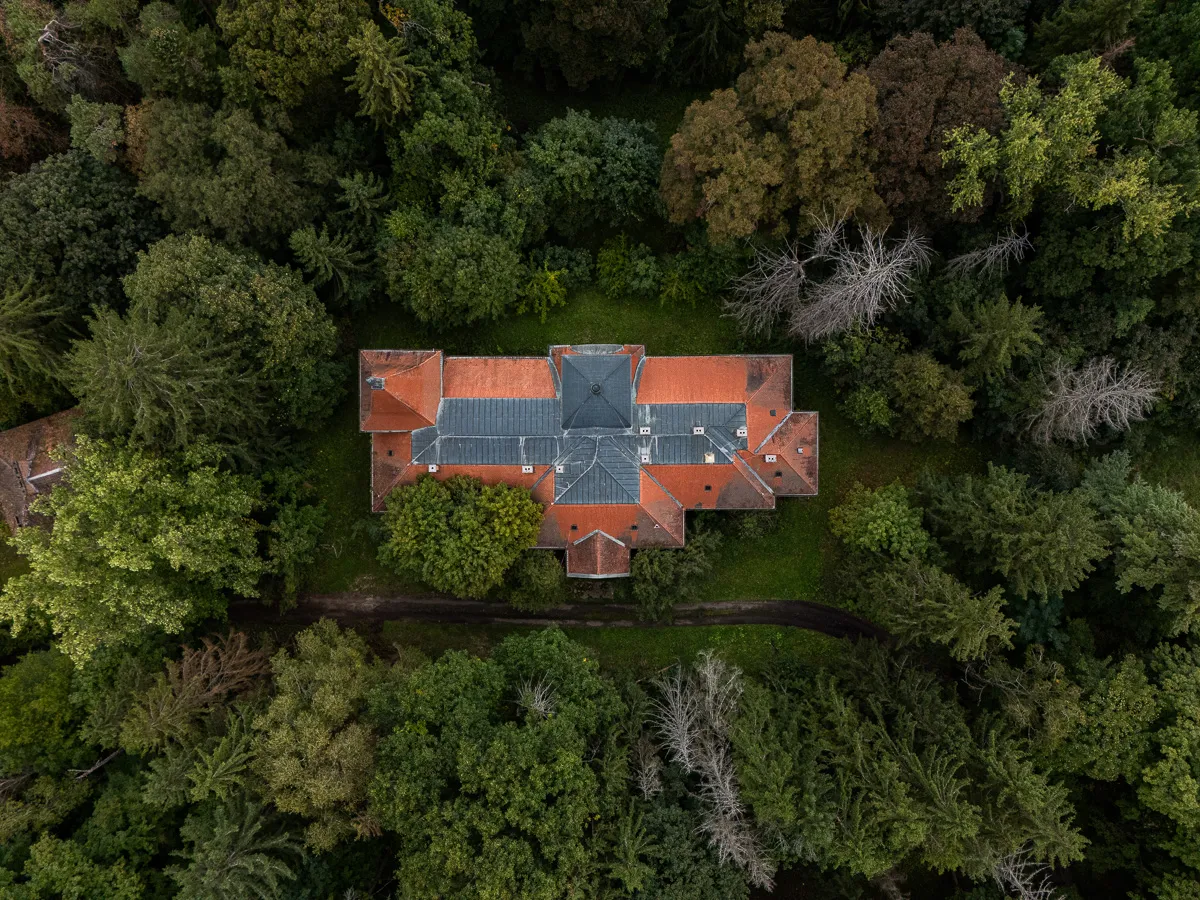
Following the Second World War, the Almásy family was deprived of ownership, and the estate became state property. The castle entered Hungarian historical memory between 30 October and 2 November 1956, when Cardinal József Mindszenty was held there under house arrest. As Prince Primate of Hungary, Mindszenty had spoken out forcefully against the communist transformation of Hungarian society and the country's move toward a proletarian dictatorship4. His ordeal began on 27 November 1944, when he was arrested by the Arrow Cross regime. He was first imprisoned in Veszprém, then in the prison at Sopronkőhida, before being transferred to house arrest in Sopron, from where he was released on 1 April 19455. On 26 December 1948, he was unlawfully arrested again, this time on fabricated charges of treason6. For weeks he was tortured at the headquarters of the State Protection Authority (ÁVH) at 60 Andrássy Avenue in Budapest. Following a politically motivated show trial, he was sentenced on 8 February 1949 to life imprisonment. Mindszenty spent four years in solitary confinement before his health deteriorated so severely that he was transferred to the prison hospital. From 1955, he was allowed to serve the remainder of his sentence under house arrest. He was first taken to Püspökszentlászló, and later that same year, in November, transferred to the former Almásy Castle in Felsőpetény7. As the officers of the ÁVH were no longer willing to guard him, responsibility for his custody was transferred to the military garrison in Rétság. During the Hungarian Revolution,8 on 30 October 1956, an armoured military unit led by Major Antal Pálinkás-Pallavicini liberated Mindszenty from the castle and secured his journey to Buda. The following day he returned to the Primate's Palace, where he resumed his public opposition to the communist regime. A commemorative plaque on the castle wall still marks the place of his captivity.
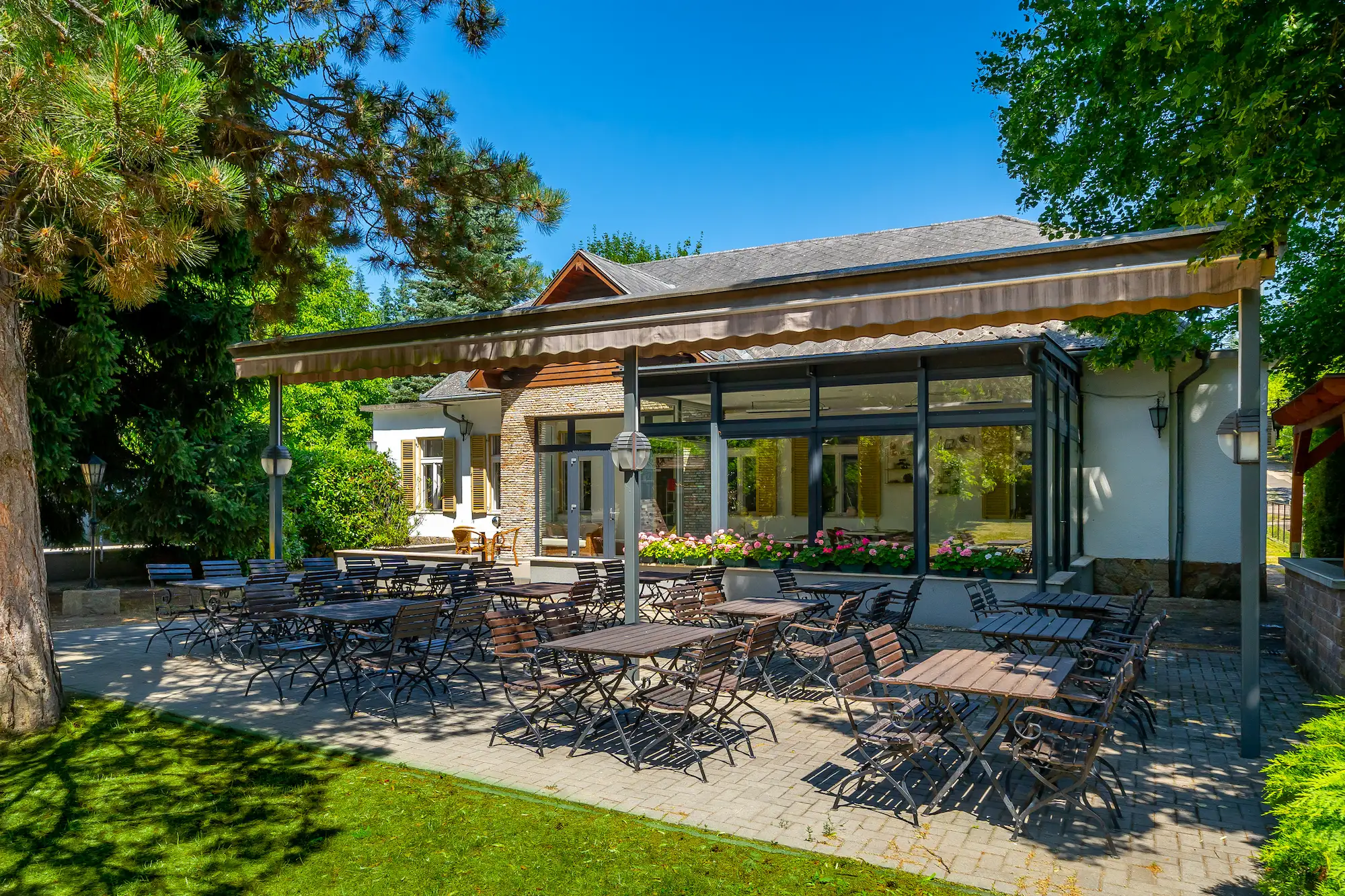
Returning to the history of the castle itself, it followed the fate of many Hungarian aristocratic residences after nationalisation and was converted into a state institution. From 19599, it served as a children's home. We could not find information about its eventual closure, although the latest newspaper reference dates from 1997, confirming that it was still operating at that time. It is also worth mentioning that the castle park was declared a protected nature reserve in 197510. The entrance to the estate also serves as one of the official stamping points of Hungary's National Blue Trail (Országos Kéktúra). In 2025, a comprehensive tourism development project was announced to modernise and give new purpose to the estate. We hope to report on the castle's revival in the near future.
1 https://spabook.net/blog-hu/almasy-kastely-felsopeteny-palyazat/
2 https://jnszmtisztviselok.hu/1876-1944/tisztviselok1876-1944/almasyimre/index.html
3 https://www.wenckheim.hu/postelek.htm
4 http://www.mindszenty.hu/mindszentyeletut
5 https://www.origo.hu/itthon/2025/05/50-eve-halt-meg-mindszenty-jozsef
6 https://www.origo.hu/itthon/2025/05/50-eve-halt-meg-mindszenty-jozsef