



- Noémi Vizi
- Photos: (RECHungary)
- Reading time: 3 minutes
The Castle of Huszár Pufi – the Hungarian-born Film Star of the 1920s
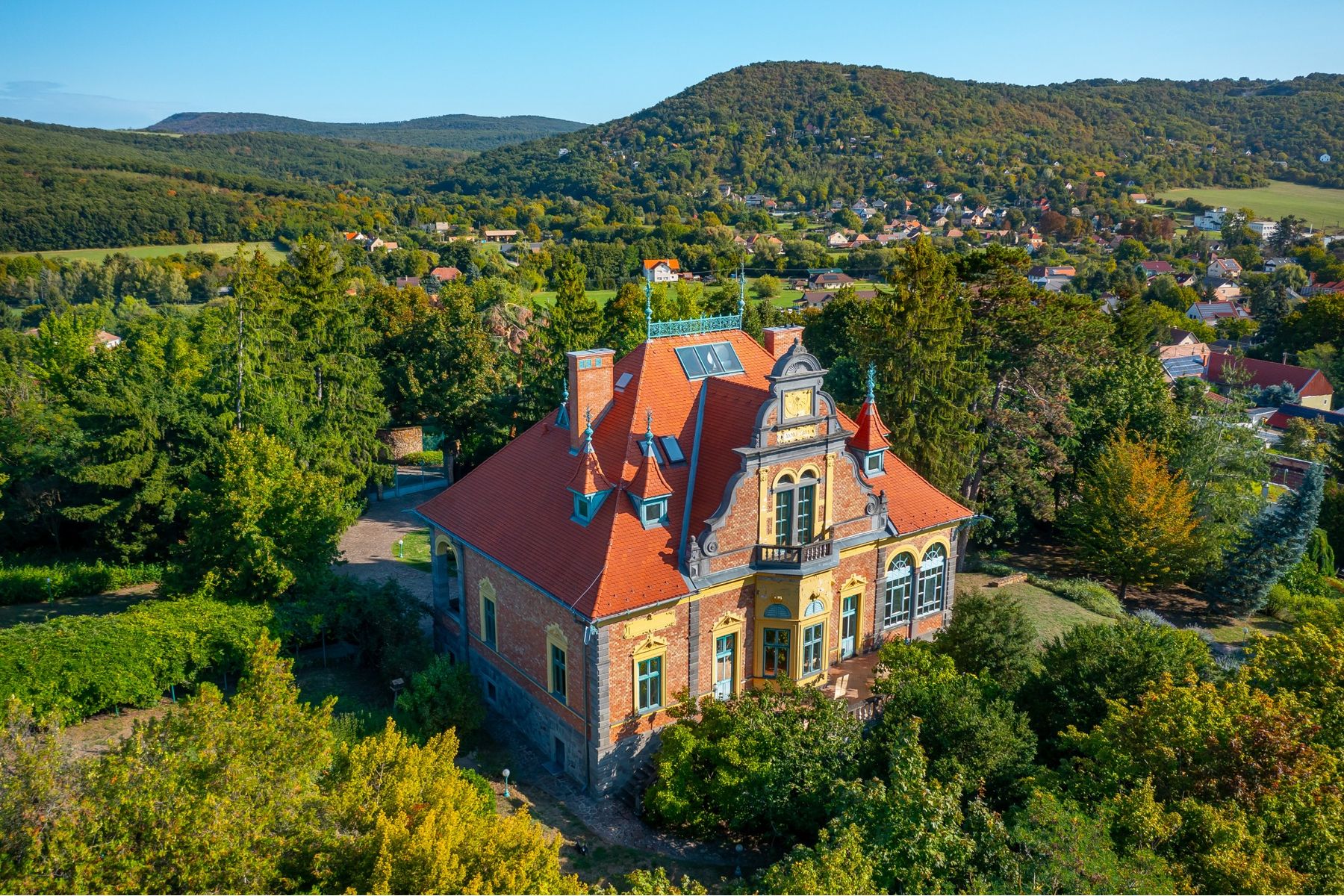
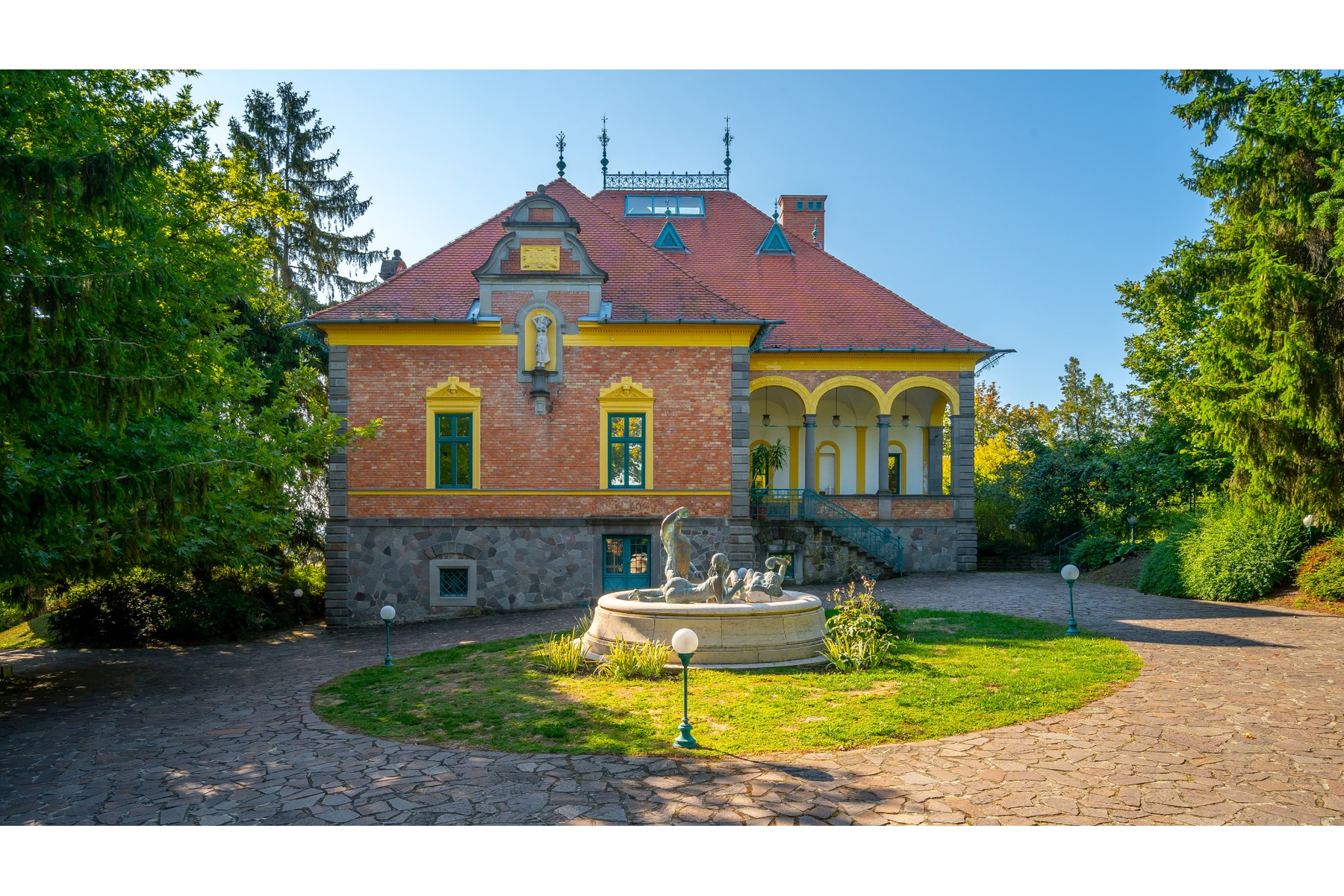
At the highest point of Verőce stood a single-storey manor house, originally built in 1871. In 1887, its new owners, Ferenc and Vilmos Swadló, transformed it according to their own vision1. The redesign was entrusted to the architect Henrik Schmahl, a student of Miklós Ybl and the designer of Budapest's famous Uránia Theatre, who recreated the building in the Neo-Renaissance style2. In January 1932, the estate was purchased by Károly Hochstein, better known as Huszár Pufi. He became one of the first internationally successful Hungarian film actors, beginning his career in Hungary before rising to stardom in Berlin and Hollywood. What do we know about his life? Why has his remarkable career largely faded into obscurity? And why did he choose Verőce as the place to settle? This article explores these questions.
Károly Hochstein was born in Budapest in 1884. His father, Mór Hochstein, was a physician, and his mother was Zsófia. The family was of Jewish origin. He began his professional life as an insurance clerk but soon realised that his true calling was the stage. He enrolled at the National Actors' Association Drama School, graduating in 19043. It was then that he adopted the surname Huszár4. He performed at the Vígszínpad, the Népszínház, and several Budapest cabarets. His real breakthrough came in 1907 at Endre Nagy's Modern Stage Cabaret, where he earned the nickname "Pufi" ("Chubby")5. During the First World War, in 1916, he travelled to the front with his troupe, entertaining Hungarian soldiers.
From 1919, Huszár appeared in films in Berlin, and between 1923 and 1928 he worked in Hollywood. His success was largely due to his distinctive physique, cheerful personality, and remarkable dedication to his profession. A master of silent slapstick comedy, he appeared in 32 films in Berlin—followed by another 21—and approximately 40 films in Hollywood during the golden age of silent cinema. In 1923, he founded his own German production company, Huszar-Film, but unfortunately its first production failed commercially, bringing the company to an early end.
In one interview, he was asked whether he had ever wished to lose weight. His answer was an emphatic no. He loved his appearance, believing audiences appreciated him precisely because of it, and he considered his physique one of the foundations of his success. He was also passionate about food and always asked his wife to prepare traditional Hungarian dishes, regardless of which country they happened to be living in. Renowned for his hospitality, guests were always welcome in his home. Beyond serving generous meals, he often discreetly slipped money into visitors' pockets, as supporting others and charitable giving were deeply important to him.[6].
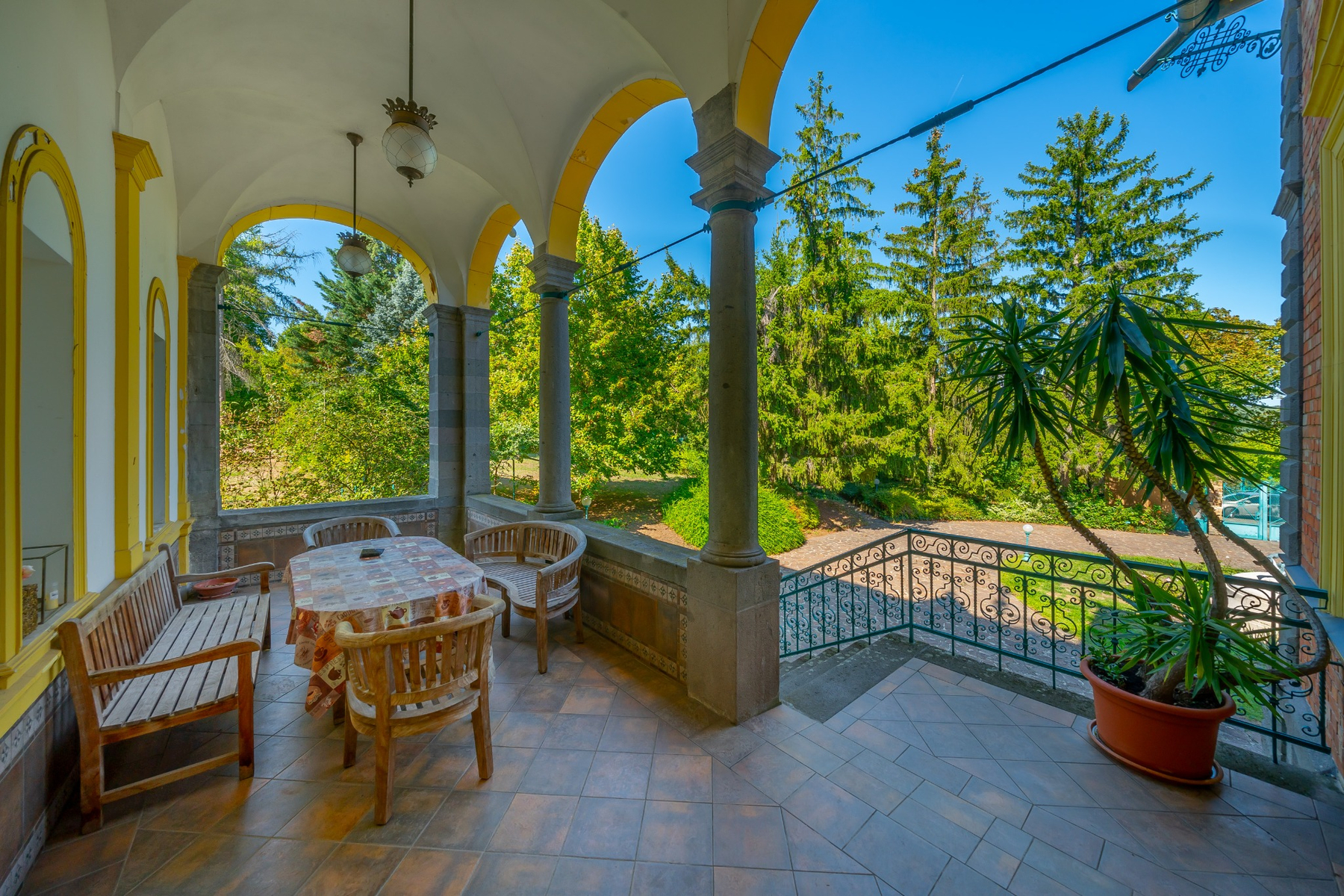
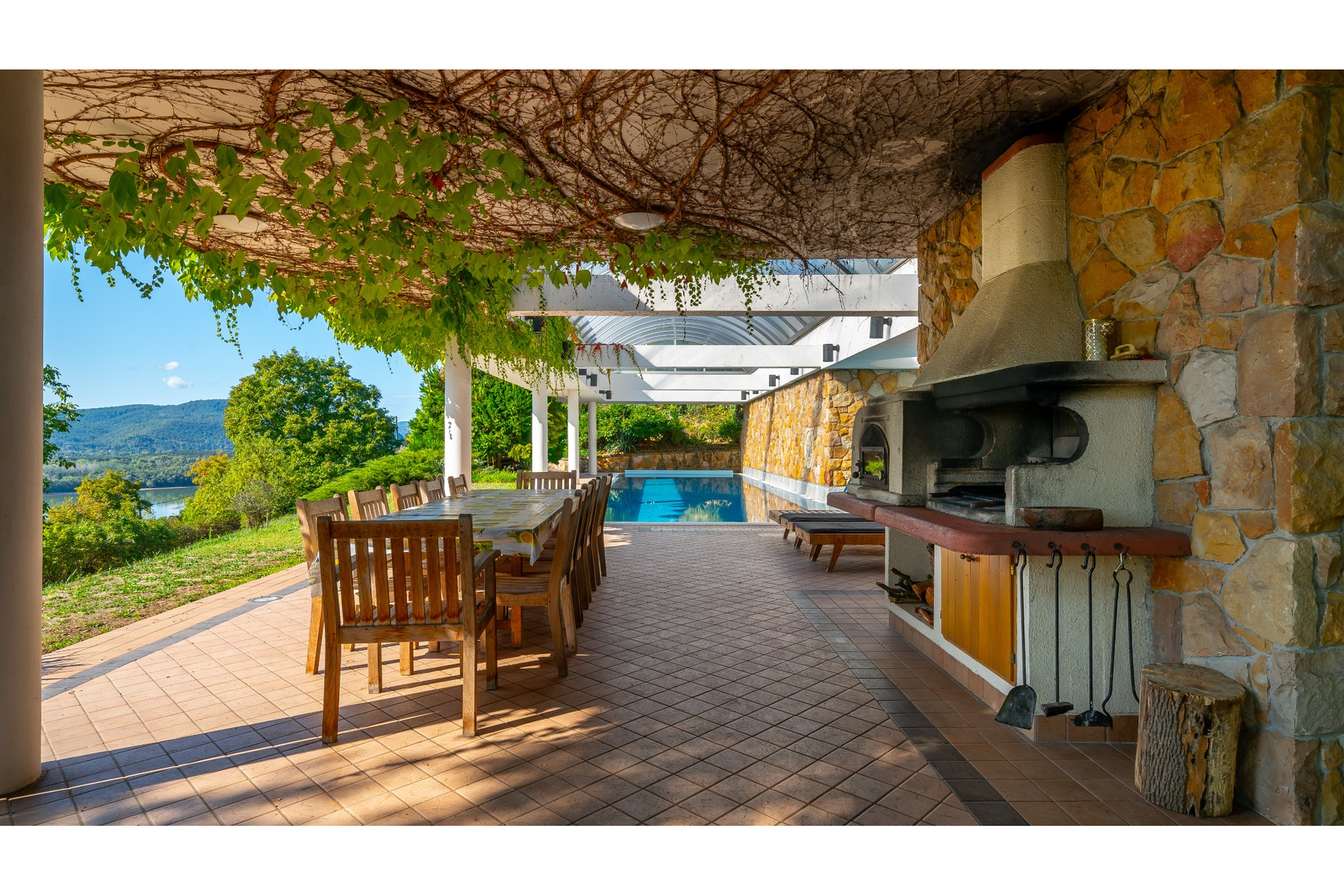
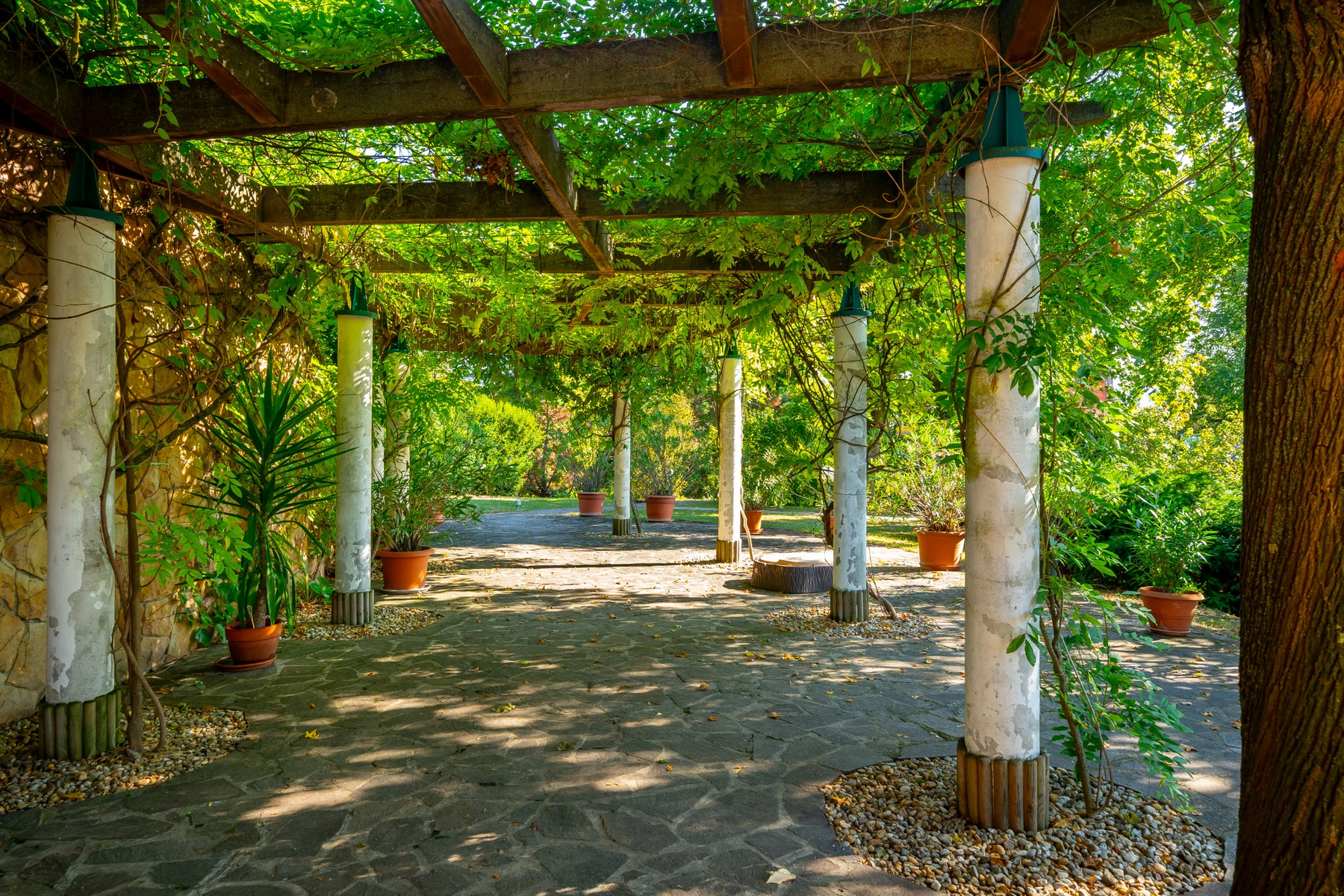
After its renovation, the castle became a gathering place for numerous distinguished guests, including Lili Darvas, Gyula Kabos, and Frigyes Karinthy, who immortalised Huszár Pufi in two of his short stories (Letter from the Village and The Crayfish Catchers). Among his international friends were Harold Lloyd, Ernst Lubitsch, Samuel Goldwyn, and Johnny Weissmüller7. The castle's walls were adorned with paintings by leading contemporary Hungarian artists, several of which are now part of the collection of the Hungarian National Gallery. He also owned an impressive collection of violins. Supporting the arts was one of Huszár Pufi's greatest passions, and thanks to his dedication, by the 1930s he had assembled one of the largest private art collections in Hungary.
Although living a secluded life on his estate brought him peace and relaxation, it did not last long. The ever-restless Pufi soon returned to Germany, where he continued filming until 1933. That year, Adolf Hitler came to power and one of his first actions was to bring the German film industry under strict ideological control8. Artistic merit was no longer the deciding factor—an actor's origin and ancestry became far more important.
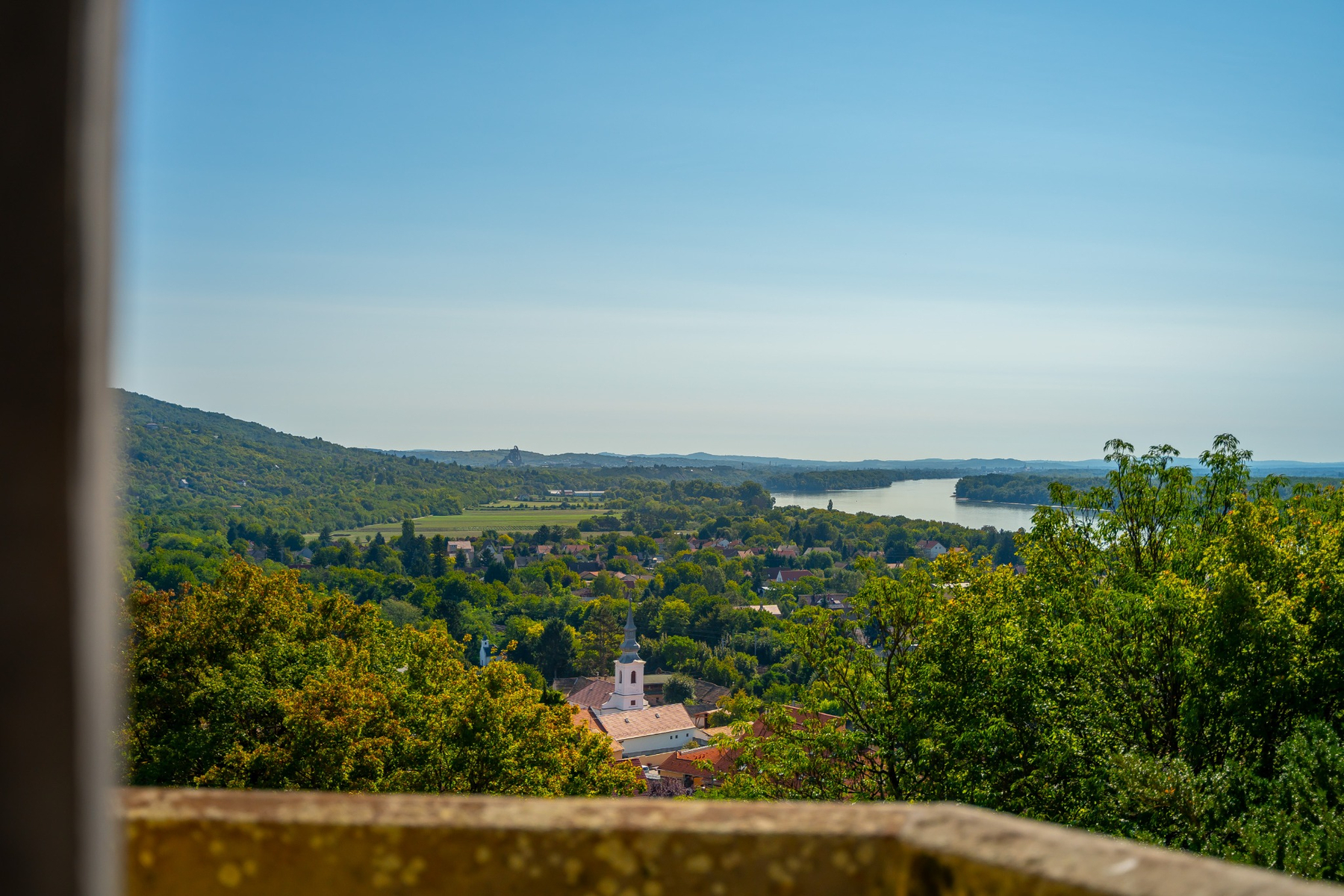
Deeply concerned by Hitler's policies, Huszár watched events unfold while still living and working in Germany. As both domestic and international politics shifted increasingly toward extremism, he retired from filmmaking, left Germany for good, and returned to Hungary. He settled on his estate in Nógrádverőce, where he devoted himself to gardening and farming, activities for which the property offered ideal conditions. As anti-Jewish persecution spread to Hungary, Huszár and his wife were eventually forced to flee because of their Jewish heritage. Learning of his situation, one of his Hollywood director friends offered him a film contract that would also provide an opportunity to leave the country9. He sold many of his possessions and entrusted others to friends, hoping that one day he would return to his beloved homeland. His castle was also put up for sale10. The estate reflected his passion for agriculture. It contained around 1,000 fruit trees—primarily peach, apricot, apple, pear, sweet cherry, and sour cherry—along with 3,000 grapevines, 3,000 strawberry plants, and several hundred raspberry and currant bushes. Thanks to its exceptionally clean air and magnificent panoramic views over the Danube, the property would also have been ideally suited as a holiday resort or sanatorium.
In 1941, Huszár and his wife set out on their journey, although he reportedly had a strong sense of foreboding about the trip. During the Second World War, travelling across the Atlantic to America had become virtually impossible, as German submarines controlled the waters and frequently attacked civilian passenger ships. Air travel was no longer a viable option either, so they travelled east instead. Their only remaining route to America was across the Soviet Union and Japan, approaching the United States from the Pacific. They reached Moscow, intending to fly to Tokyo, but air travel was no longer available. Instead, they boarded the Trans-Siberian Railway, travelling 9,289 kilometres to Vladivostok. The two-week journey itself passed safely, but upon arriving at the railway station they were arrested by Soviet soldiers. Hungary had entered the war in June 1941, and as citizens of an enemy country they were taken prisoner and deported to the Gulag labour camp at Karaganda. The inhumane conditions, combined with severe shortages of food and water, proved fatal. At the end of July 1941, Károly Huszár (Huszár Pufi) died in captivity.[11].
The Second World War dealt devastating blows to Hungary, the consequences of which are still felt today. One of the greatest cultural losses was the destruction of Hungarian cinema. A large portion of the country's silent films was lost when the film archives in Buda were hit by bombing raids. The film reels burned for days, destroying almost the entire first forty years of Hungarian filmmaking. Those films that survived the bombings often met an equally tragic fate during the harsh winters of the 1950s, when rescued film reels were burned for heating because coal was unavailable. At the time, their fuel value was considered more important than their artistic significance12. Fortunately, a few films survived, including "Pufi Buys Shoes." If you would like to discover Huszár Pufi, one of the world's most celebrated comedy stars of the 1920s and 1930s, we encourage you to watch this short surviving film.
What happened to Pufi's castle?
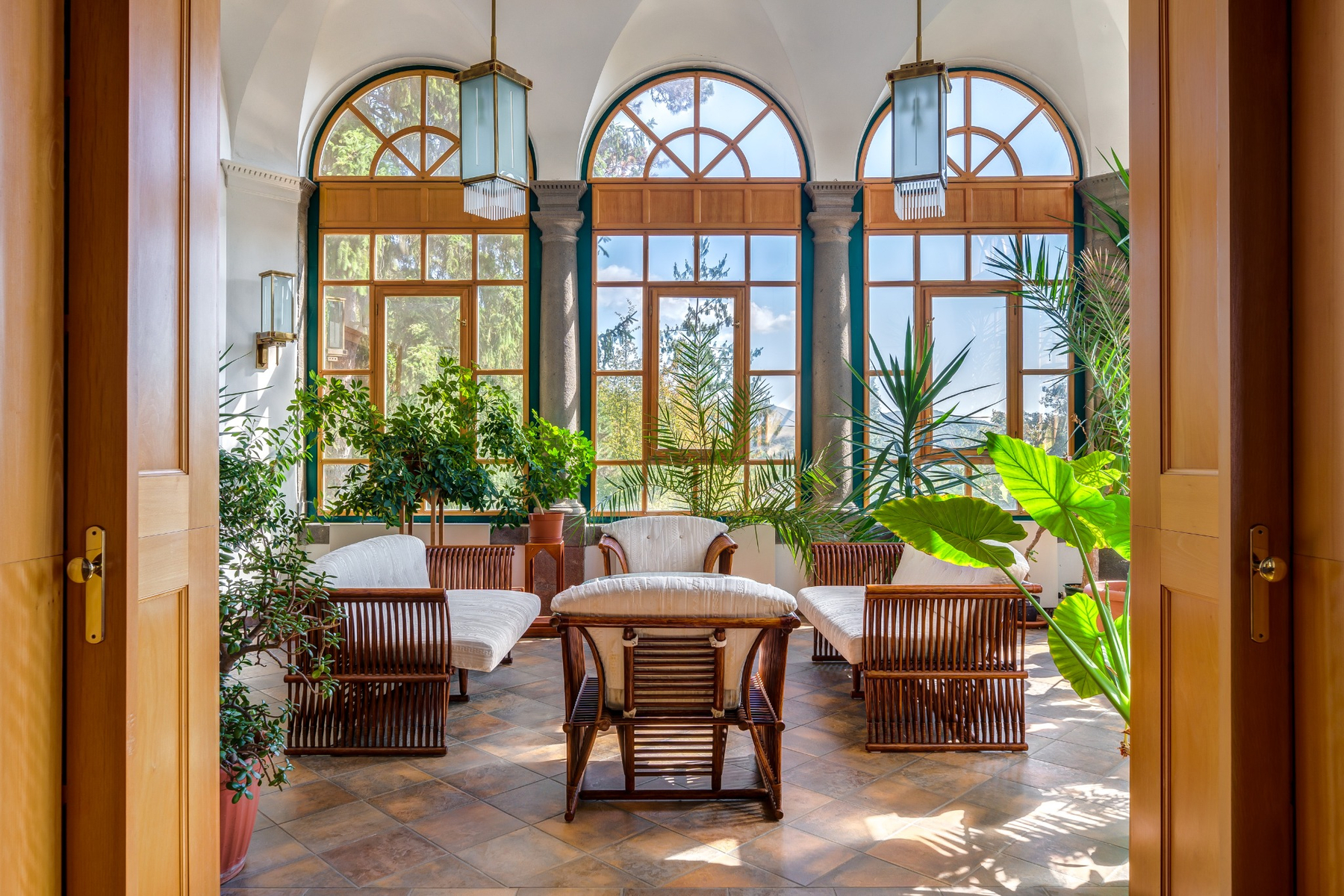
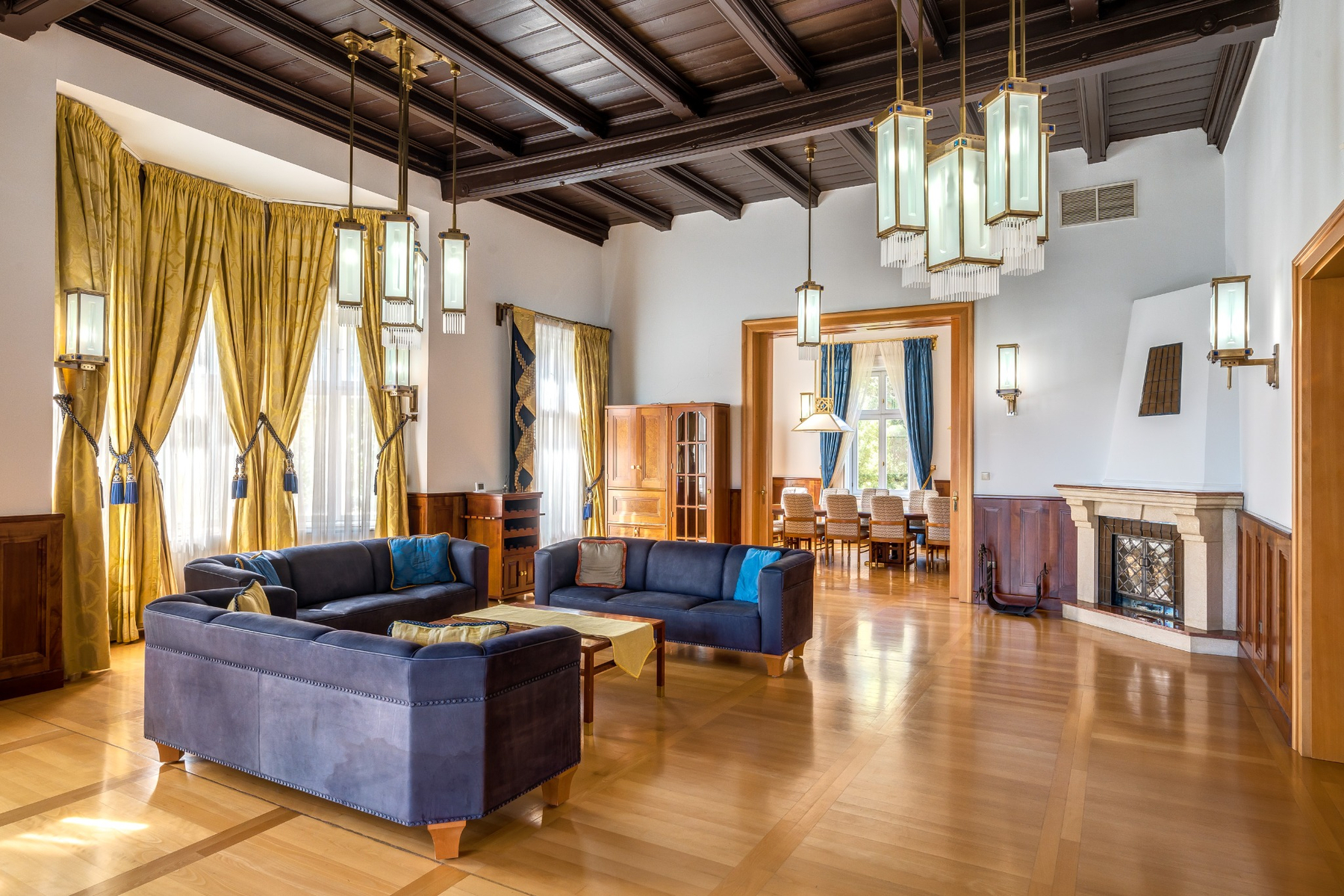
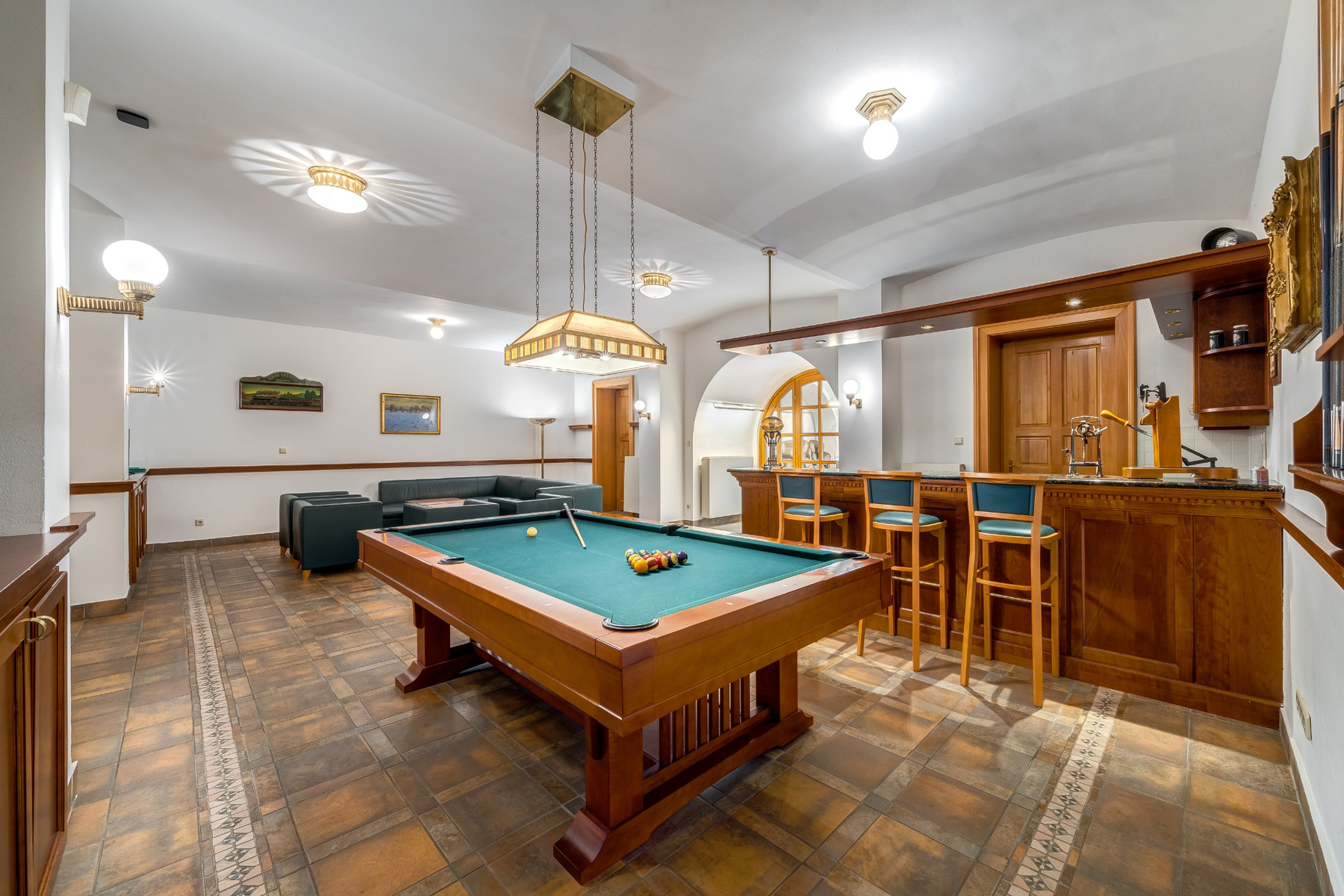
As the front lines advanced during the Second World War, the castle was occupied first by German and later by Soviet troops, both of whom used it as a military hospital. Like many aristocratic estates, it was nationalised after the war and converted into a children's holiday camp. Over the decades its condition deteriorated significantly, and little remained of the magnificent estate once owned by the famous film star. A turning point came in 2000, when the property returned to private ownership. A comprehensive restoration began, carefully reconstructing the building's original architectural character while integrating the latest modern technologies. Today, the castle has once again become one of the jewels of the Danube Bend. Alongside the restored mansion, the owners have built a guesthouse featuring a bowling alley and billiards room, both overlooking the tennis court, football pitch, and mini-golf course. A wellness area has also been created, complete with a sauna, jacuzzi, and infinity pool. The estate now operates as a boutique accommodation, welcoming guests to its elegant apartments for a peaceful countryside retreat.
The Pufi Castle is currently offered for sale. If you would like more information or wish to arrange a private viewing, please contact Dániel Vitáry at hello@dandan.hu or by phone at +36 30 618 2271.
[2] https://dunakanyarkult.blog.hu/2020/04/11/huszar_pufi_nogradverocei_filmes_elet
[3] https://www.hangosfilm.hu/filmenciklopedia/huszar-karoly-pufi
[4] https://www.charlespuffy.com/eletrajz/
[5] https://www.charlespuffy.com/eletrajz/
[6] https://www.charlespuffy.com/eletrajz/
[8] https://www.charlespuffy.com/eletrajz/
[9] https://www.charlespuffy.com/eletrajz/
[10] https://dunakanyarkult.blog.hu/2020/04/11/huszar_pufi_nogradverocei_filmes_elet