


- Noémi Vizi
- Photos: (RECHungary)
- Reading time: 2 minutes
The Esterházy Castle of Szentlőrinc
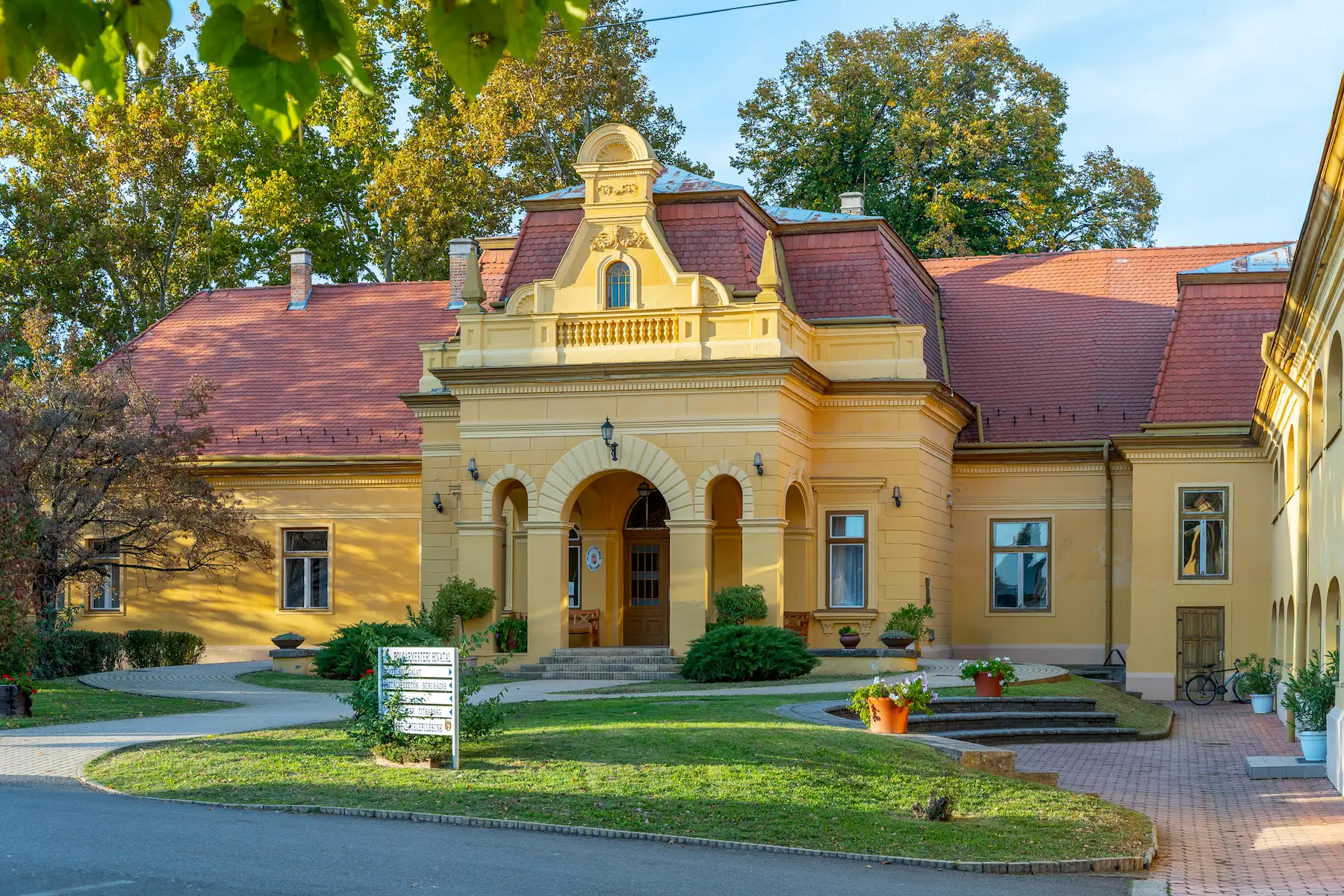
Along the road running through Szentlőrinc stands the former Esterházy Castle, which today houses the local mayor’s office. Surrounding the building is a beautifully maintained park evoking the atmosphere of Baroque gardens. Trees, shrubs, winding pathways, tranquillity, and a pleasant atmosphere welcome visitors. Next to the L-shaped building stands a church, where the sound of the bells seems to transport us back into the past.
According to historical sources, the castle was built by Szigfrid Kristóf Prayner (Breiner) between 1696 and 17171. Originally, the single-storey building contained one dining room and four rooms. The estate later came into the possession of Prince Miklós “the Magnificent” Esterházy, who made it the centre of his lands2. His name may be familiar because of the Esterházy Palace in Fertőd, which he commissioned and built. He was captain and later commander of the Hungarian Royal Bodyguard in Vienna, as well as a field marshal, and played an important role in the wars during the reign of Maria Theresa. Therefore, he needed a residence befitting his rank. The Esterházy family is considered one of the wealthiest aristocratic families in Hungary. They were the first Hungarian noble family to receive the title of prince, the highest aristocratic rank.3
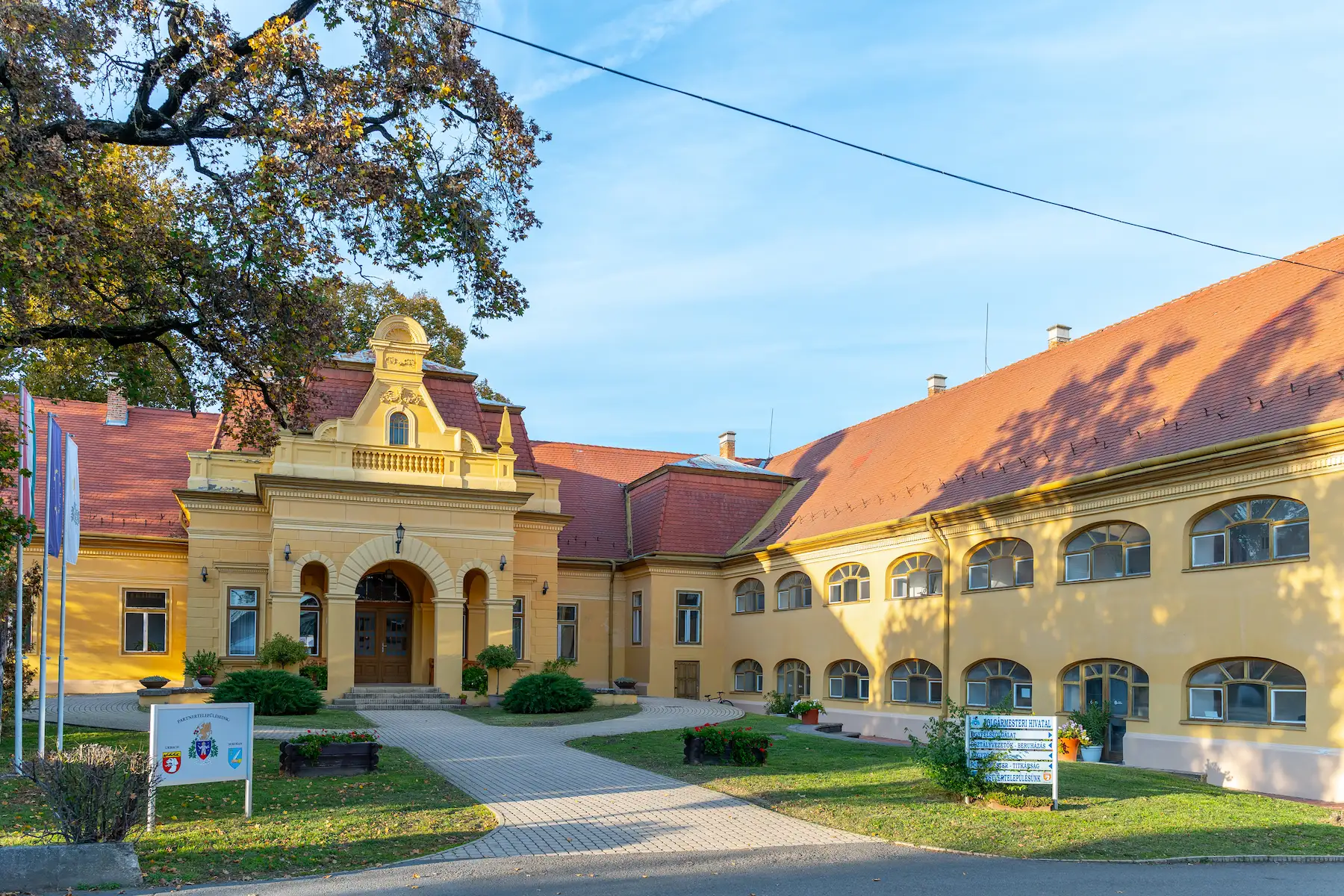
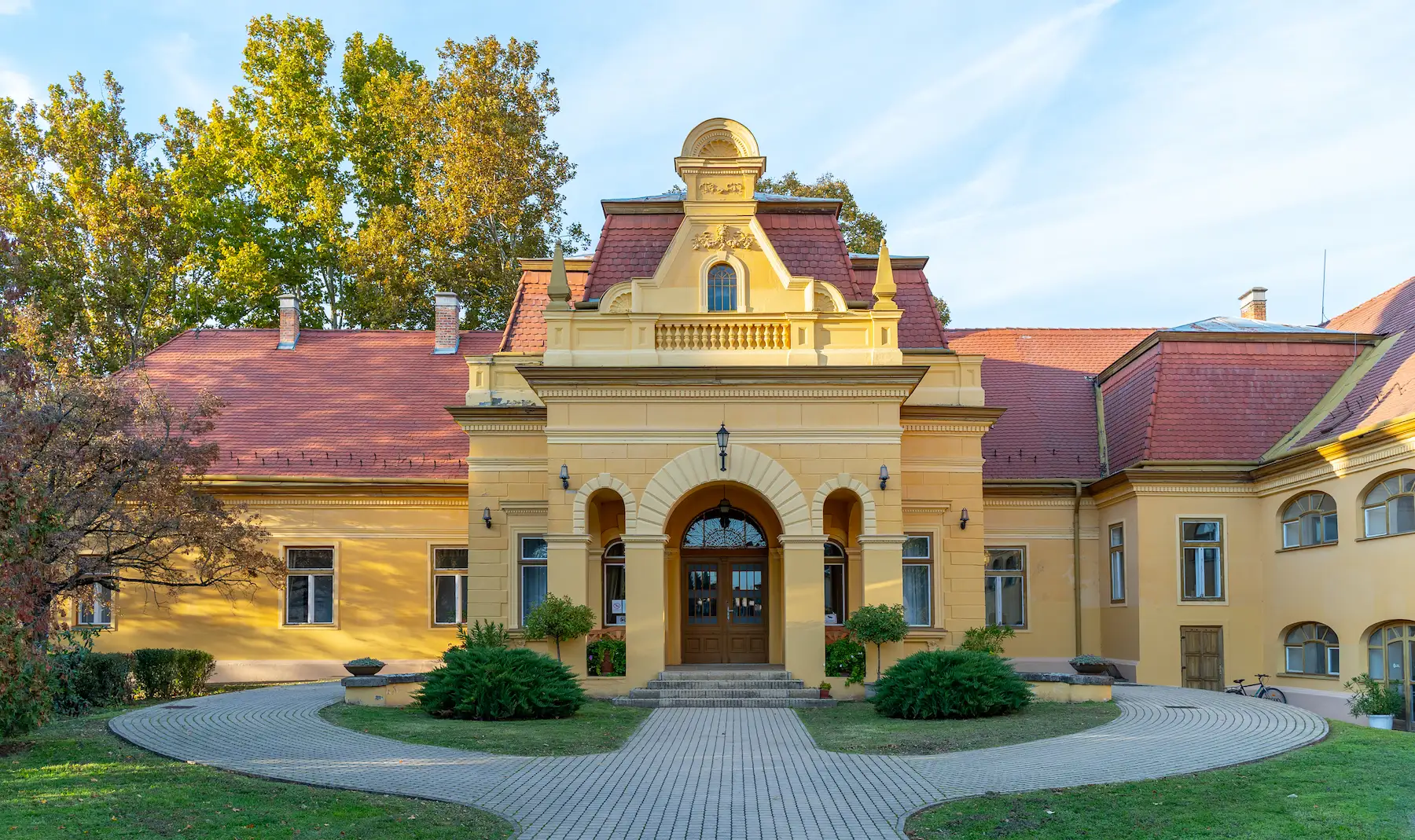

Returning to the castle of Szentlőrinc, the building is Baroque in style and acquired its present appearance after several reconstructions. One of its wings was demolished, for example, due to the construction of the church. The surrounding garden was once filled with fruit trees and kitchen garden plants4. The dining room opened directly onto this small paradise. The estate also included an apiary, a large granary, a mill, the steward’s house – known as the Koncz-Brantner House – and several brick buildings. A significant reconstruction probably took place in the 1770s, when a wine cellar capable of holding 150 barrels was built beneath the castle.
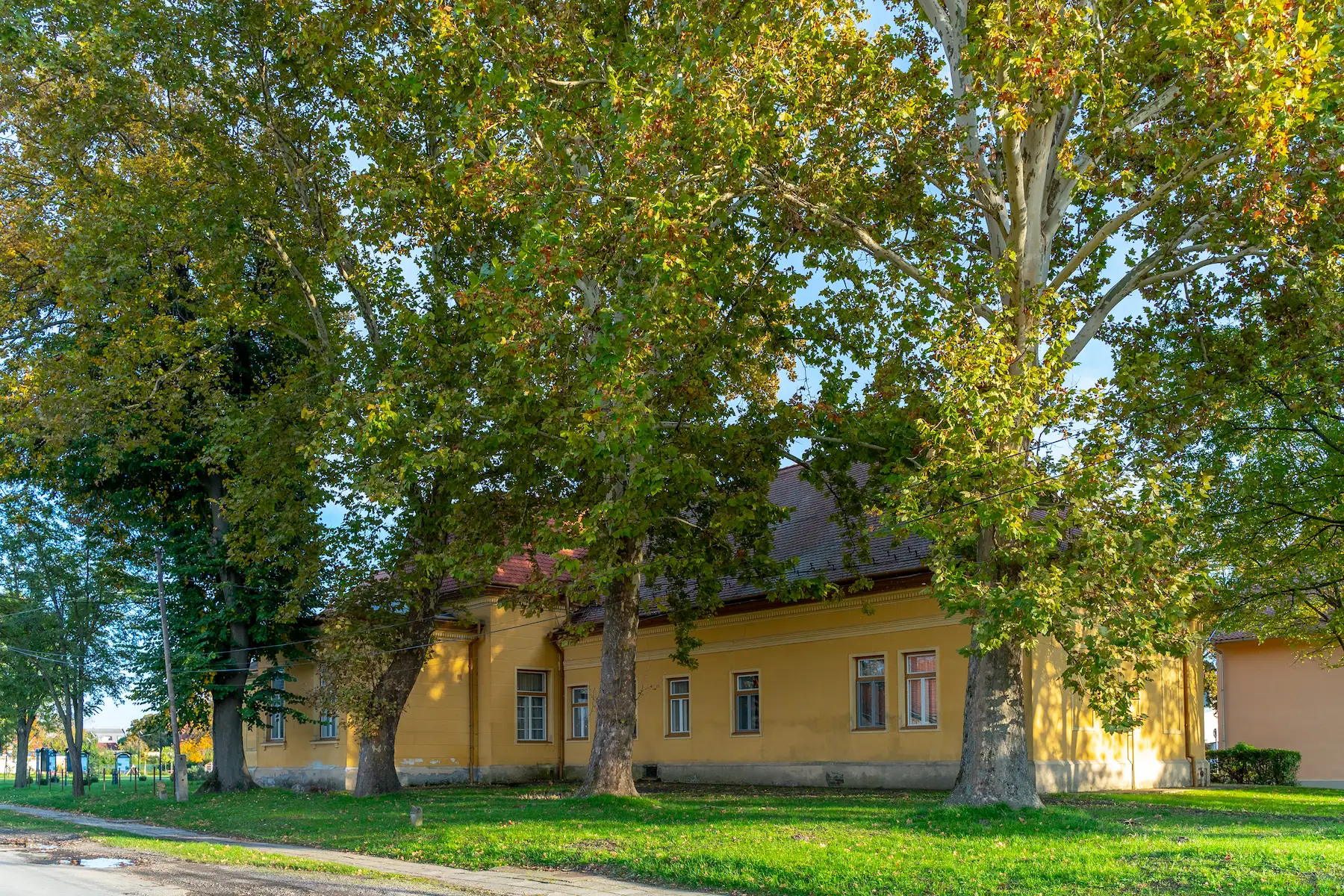
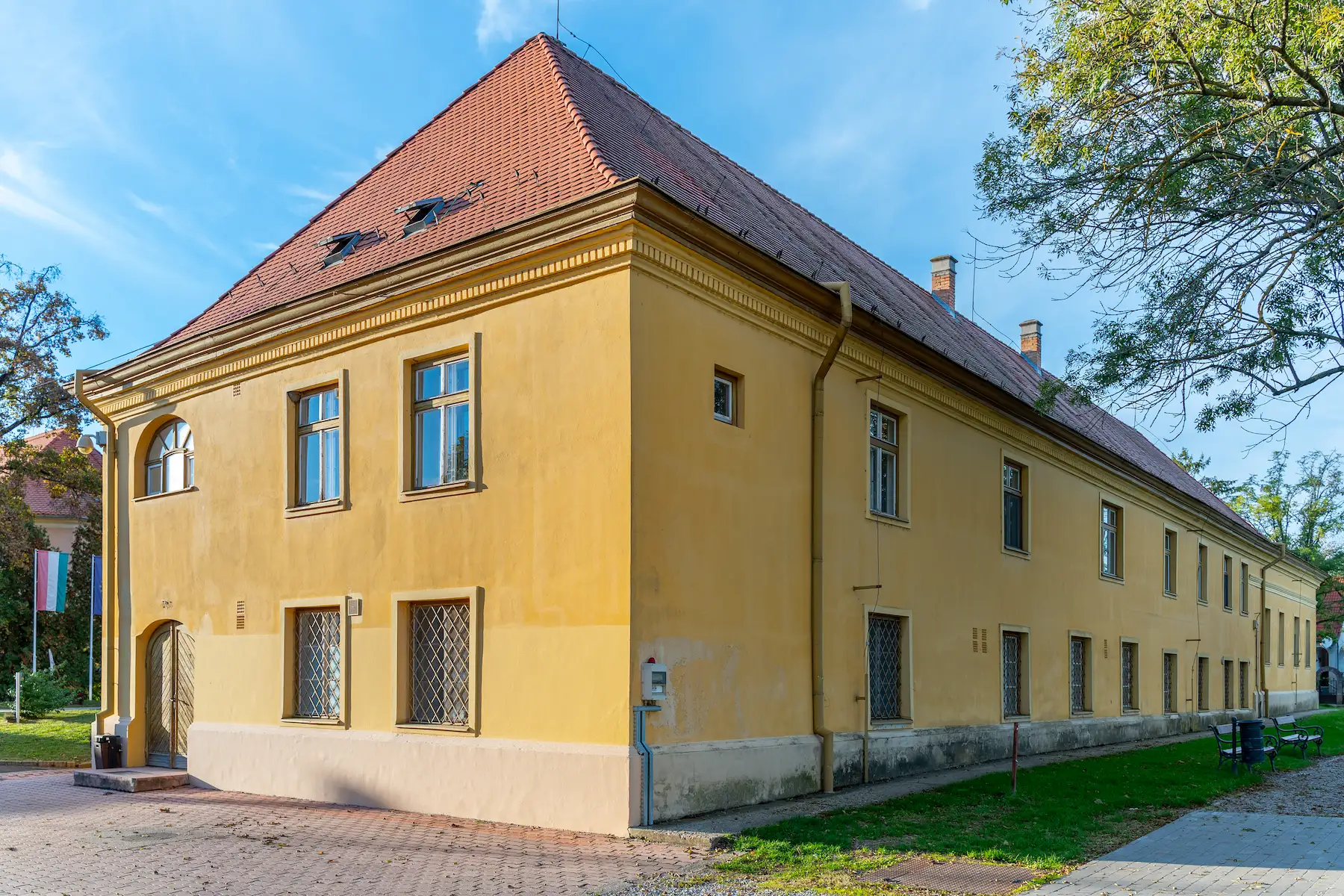
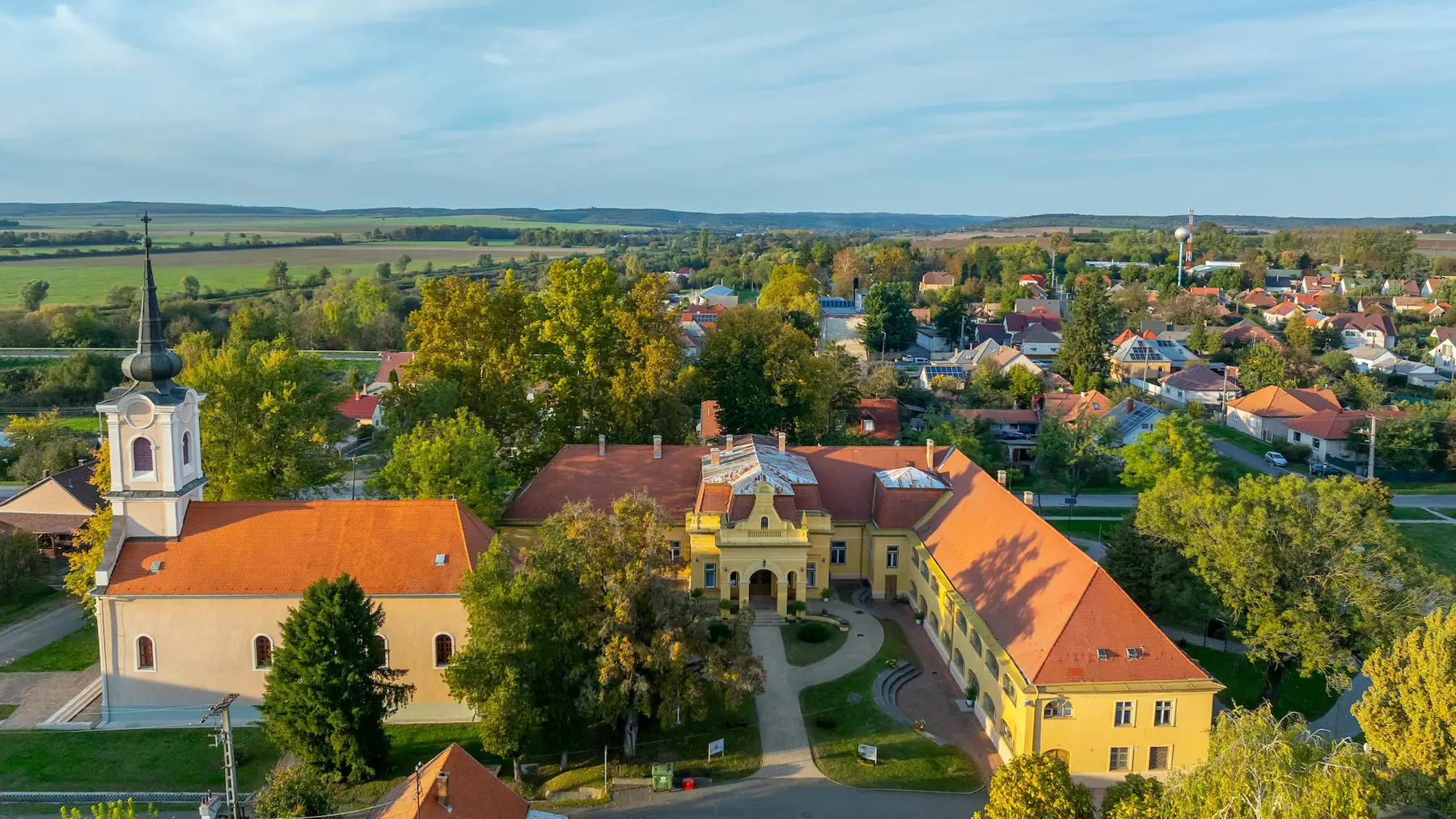
After the Second World War, the estate was nationalised. The park was destroyed as trees were cut down, and the land was divided into plots and sold.5 According to an article published in the Dunántúli Napló newspaper in 1995, the building was then functioning as a student dormitory, and the renovated property was officially handed over6. Years later, the mayor’s office moved into the building. The castle has been carefully maintained ever since and has survived in excellent condition for future generations.
Every September, the town welcomes wine lovers for a special evening event. If you have the opportunity, visit the Szentlőrinc Night of Wine Friends!